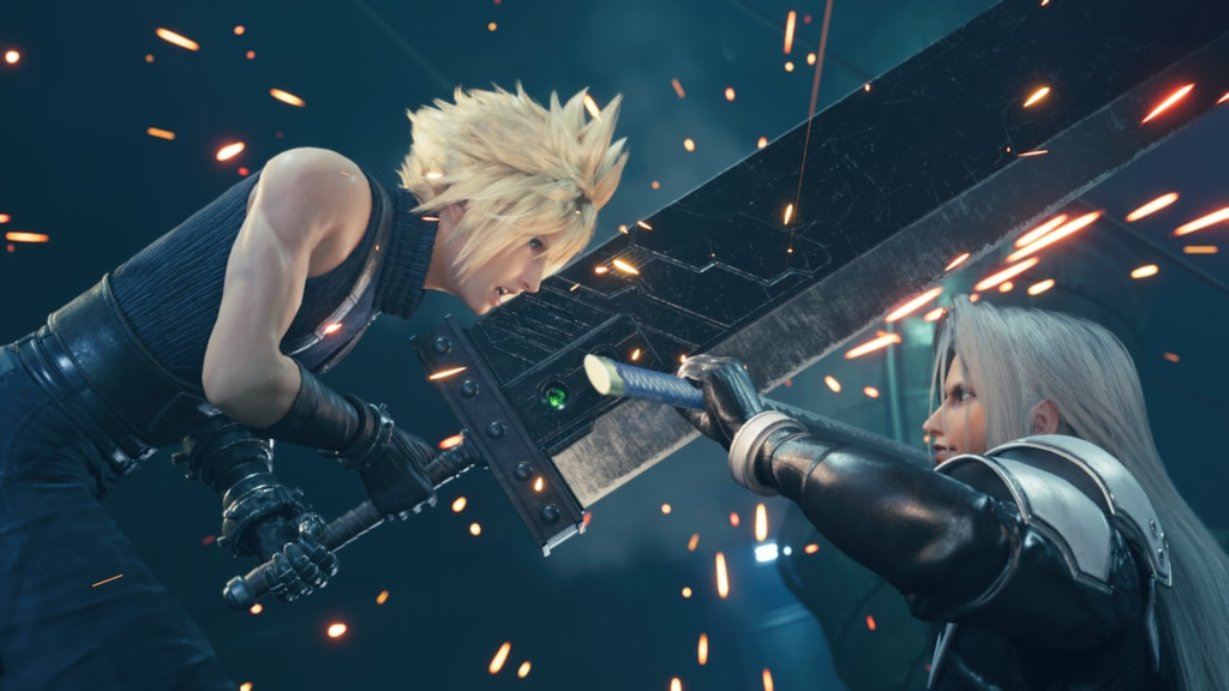
Square Enix has formally announced that Final Fantasy 7 Remake Intergrade will be launching on the Nintendo Switch 2 on January 22, 2026, marking a significant milestone for both the legendary RPG franchise and Nintendo’s next-generation hardware.
As anticipation grows, fans are eager to see how the acclaimed title will perform on the highly anticipated system, which continues the hybrid legacy of the original Nintendo Switch.
Final Fantasy 7 Remake Intergrade, directed by Naoki Hamaguchi, is known for its graphical fidelity and rich storytelling—a hallmark standard that Square Enix is determined to uphold on the Nintendo Switch 2.
The challenge of developing for a system that seamlessly transitions between docked and handheld play has prompted significant technological innovation from the studio.
In a recent interview with Press-Start, Hamaguchi offered insights into the demands of Switch 2 development.
He explained that, similar to the original Nintendo Switch, the CPU and GPU performance increase when the Switch 2 is docked, allowing developers to maximize visual effects and frame rates.
However, when in handheld mode, hardware constraints—such as limited battery life and reduced processing power—necessitate strategic optimizations.
Hamaguchi highlighted, “Developers, including those at Square Enix, need to ensure that the handheld experience isn’t diminished compared to versions on other platforms.
This means rethinking how games are rendered and displayed to make the experience seamless across both modes.”
One of the most notable achievements for this port is Square Enix’s decision to completely rebuild the rendering pipeline specifically for the Switch 2 release of Final Fantasy 7 Remake Intergrade.
According to Hamaguchi, this extensive revision had a substantial impact: “We invested significant effort into reengineering the rendering pipeline, tuned for Switch 2 hardware, which ensures that the game is not a lesser experience—whether played docked or in handheld mode.”
This technical leap demonstrates Square Enix’s commitment to delivering premium experiences to the Nintendo audience, regardless of hardware limitations.
Hamaguchi expressed his enthusiasm for Nintendo’s upcoming console, stating that while battery efficiency and power distribution present challenges, the Switch 2’s design philosophy unlocks new potential for developers to create high-quality ports that meet the expectations of fans worldwide.
The arrival of Final Fantasy 7 Remake Intergrade on Nintendo Switch 2 also reflects ongoing collaboration between Square Enix and Nintendo to expand the eShop library with blockbuster titles.
As the release date approaches, industry watchers and RPG enthusiasts alike will be closely monitoring the Switch 2’s performance, especially with ports that promise to deliver parity with home consoles.
For those eager to revisit Midgar or experience this modern remake for the first time, Final Fantasy 7 Remake Intergrade’s Switch 2 debut is set to be a highlight of 2026’s gaming calendar.
Further details and developer commentary from Naoki Hamaguchi can be found in the latest interviews published via Press-Start and official Nintendo Direct updates.
As anticipation grows, fans are eager to see how the acclaimed title will perform on the highly anticipated system, which continues the hybrid legacy of the original Nintendo Switch.
Final Fantasy 7 Remake Intergrade, directed by Naoki Hamaguchi, is known for its graphical fidelity and rich storytelling—a hallmark standard that Square Enix is determined to uphold on the Nintendo Switch 2.
The challenge of developing for a system that seamlessly transitions between docked and handheld play has prompted significant technological innovation from the studio.
In a recent interview with Press-Start, Hamaguchi offered insights into the demands of Switch 2 development.
He explained that, similar to the original Nintendo Switch, the CPU and GPU performance increase when the Switch 2 is docked, allowing developers to maximize visual effects and frame rates.
However, when in handheld mode, hardware constraints—such as limited battery life and reduced processing power—necessitate strategic optimizations.
Hamaguchi highlighted, “Developers, including those at Square Enix, need to ensure that the handheld experience isn’t diminished compared to versions on other platforms.
This means rethinking how games are rendered and displayed to make the experience seamless across both modes.”
One of the most notable achievements for this port is Square Enix’s decision to completely rebuild the rendering pipeline specifically for the Switch 2 release of Final Fantasy 7 Remake Intergrade.
According to Hamaguchi, this extensive revision had a substantial impact: “We invested significant effort into reengineering the rendering pipeline, tuned for Switch 2 hardware, which ensures that the game is not a lesser experience—whether played docked or in handheld mode.”
This technical leap demonstrates Square Enix’s commitment to delivering premium experiences to the Nintendo audience, regardless of hardware limitations.
Hamaguchi expressed his enthusiasm for Nintendo’s upcoming console, stating that while battery efficiency and power distribution present challenges, the Switch 2’s design philosophy unlocks new potential for developers to create high-quality ports that meet the expectations of fans worldwide.
The arrival of Final Fantasy 7 Remake Intergrade on Nintendo Switch 2 also reflects ongoing collaboration between Square Enix and Nintendo to expand the eShop library with blockbuster titles.
As the release date approaches, industry watchers and RPG enthusiasts alike will be closely monitoring the Switch 2’s performance, especially with ports that promise to deliver parity with home consoles.
For those eager to revisit Midgar or experience this modern remake for the first time, Final Fantasy 7 Remake Intergrade’s Switch 2 debut is set to be a highlight of 2026’s gaming calendar.
Further details and developer commentary from Naoki Hamaguchi can be found in the latest interviews published via Press-Start and official Nintendo Direct updates.


