

Fatal Frame 2: Crimson Butterfly Remake marked its highly anticipated launch on Nintendo Switch 2 on March 12, 2026, under the expert hands of developer Team Ninja and publisher Koei Tecmo.
This resurrected classic breathes new life into one of the most revered entries in the Fatal Frame series, inviting players to confront supernatural horrors anew with modernized visuals, mechanics, and atmospherics tailored for a contemporary audience, while preserving the unsettling charm that fans expect from Japanese survival horror.
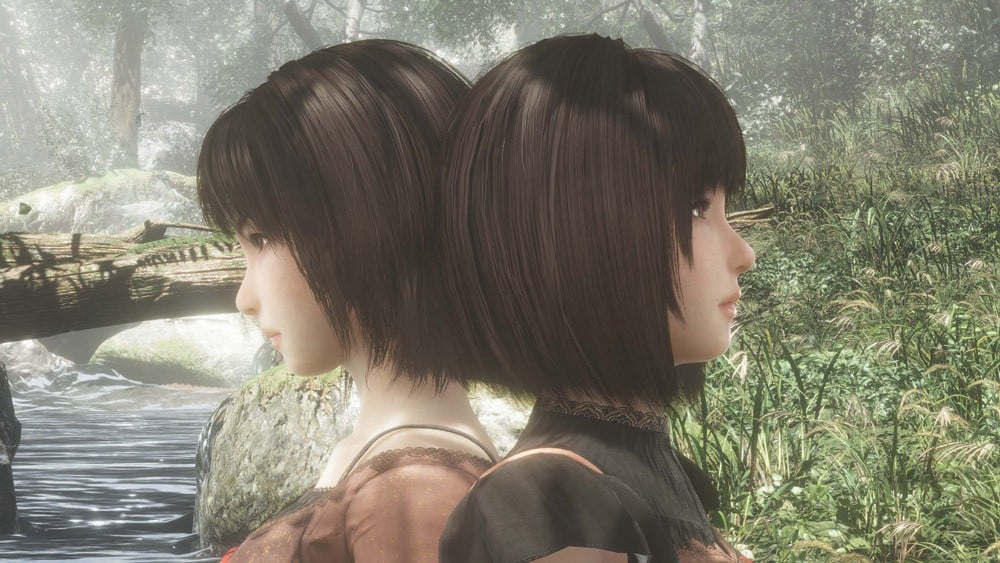
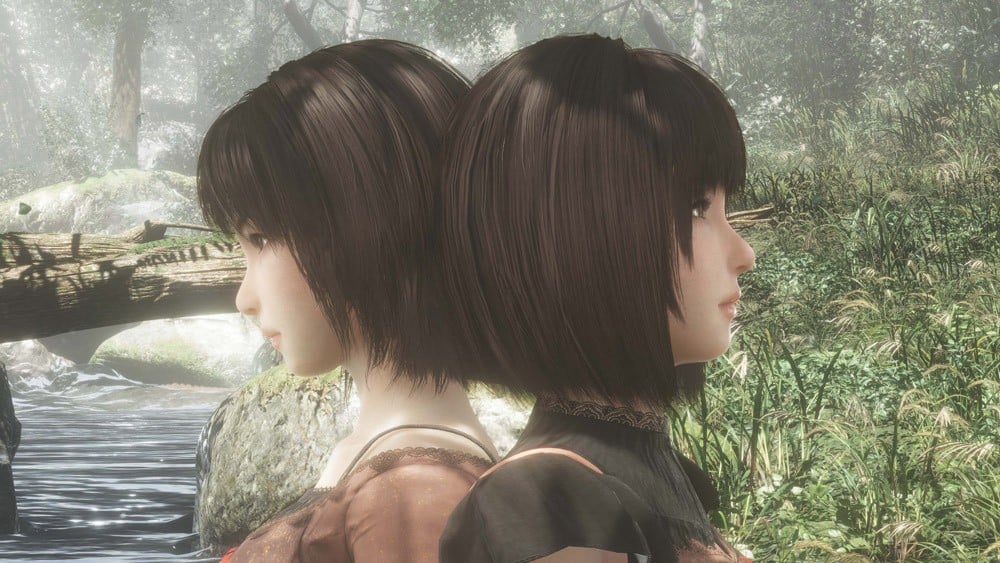
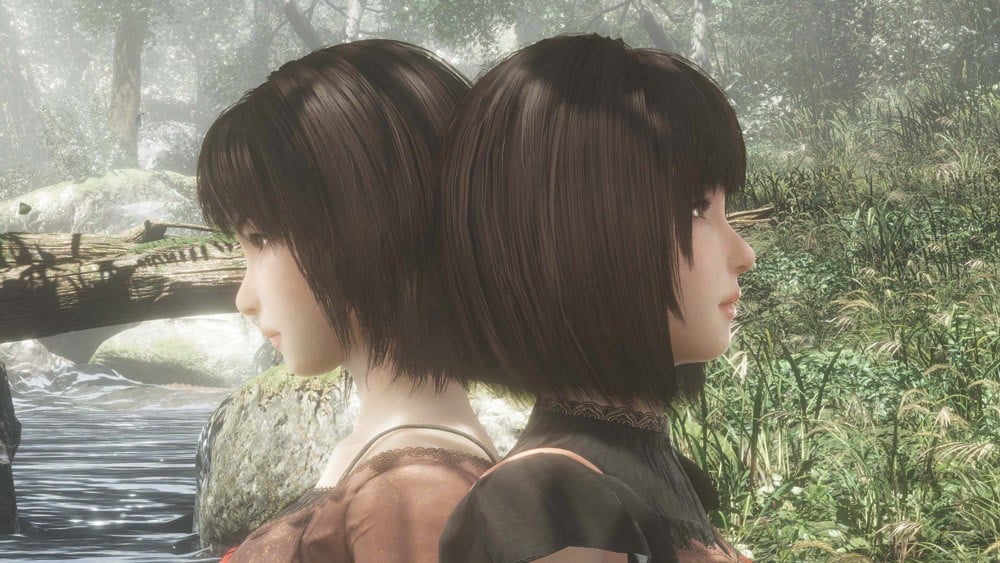
The game's story centers on Mio and Mayu Amakura, two sisters whose visit to childhood woods takes a sinister turn when they are drawn into Minakami Village—a cursed, night-shrouded locale erased from maps and memory.
As Mayu becomes lured deeper by a relentless, otherworldly presence, players experience a palpable sense of dread, amplified by the claustrophobic design of the village's crumbling, maze-like homes.
Throughout the journey, a dominating atmosphere of isolation and suspense keeps tension high, with haunting encounters driven by the series' trademark mechanic: the Camera Obscura.
Team Ninja’s approach to this remake emphasizes a balance of vulnerability and agency.
Players must rely on the Camera Obscura—not only as a weapon but as a means of unravelling Minakami Village’s tragic secrets.
Combat is intentionally tense and methodical, requiring patience and mastery of timing to land powerful 'Fatal Frame' attacks.
New enhancements, such as manual focus and zoom options, add layers of control, though they also introduce complexity during high-pressure moments, particularly given the default control scheme on Nintendo Switch 2.
As one notably adapted sentiment from the development team puts it, the intent is to maintain the fear of the unknown and the feeling that 'something is always watching,' blurring the line between player and protagonist.
The remake also introduces fresh mechanics and content, including Camera filters that both diversify combat and expand exploration possibilities by revealing hidden paths and new, exclusive areas.
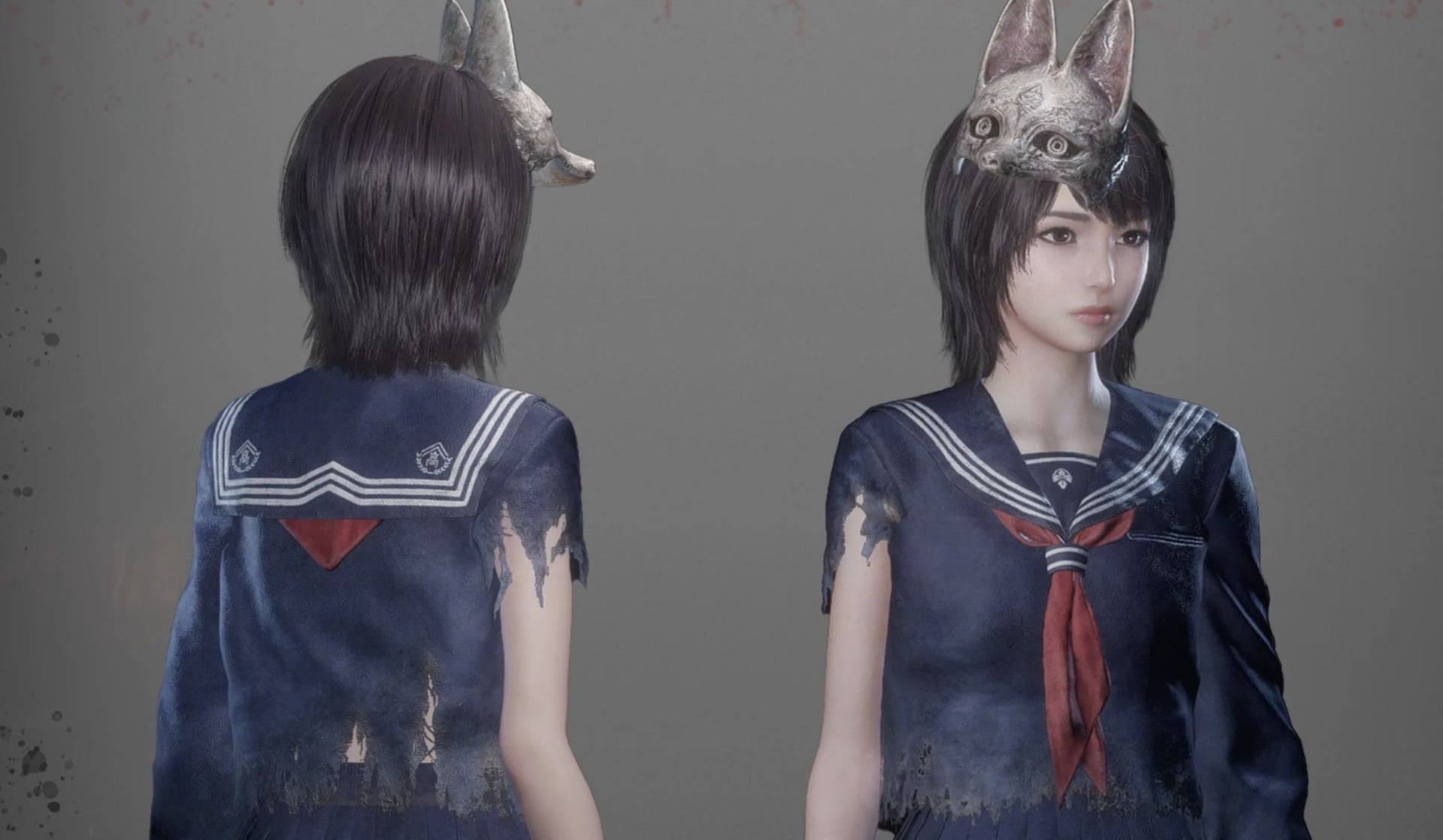
Side stories enrich the narrative tapestry, offering deeper glimpses into the doomed villagers' fates, while collectables such as Twin Doll statues unlock charms and photo mode cosmetics, further rewarding thorough exploration.
These additions sit comfortably alongside the core experience without detracting from the main campaign’s narrative focus.
Despite these strengths, Fatal Frame 2: Crimson Butterfly Remake on Nintendo Switch 2 does encounter technical challenges.
The game often fails to run at the Switch 2’s full resolution in both docked and handheld modes, with frame rates occasionally dropping below thirty frames per second—especially in outdoor settings and cutscenes.
Visual pop-in and unavoidable film grain effects can distract from immersion, and the game’s environmental fidelity, while dense with detail, doesn’t always exceed expectations set by earlier hardware.
Nonetheless, the world’s oppressive atmosphere and careful art direction ensure the horror remains the star.
One of the game's most striking features is its ability to make the village itself feel like a living character—each note and clue adding to a complex narrative puzzle.
Through restrained use of cutscenes, foundational worldbuilding emerges chiefly via detailed written accounts and environmental cues, aligning perfectly with the Fatal Frame tradition.
In summary, Fatal Frame 2: Crimson Butterfly Remake stands as the definitive version of a third-person survival horror staple.
While a few technical hiccups and combat pacing issues may challenge players, the remake’s tight storytelling, immersive setting, and inventive mechanics reaffirm its position at the pinnacle of Japanese horror.
For genre enthusiasts and veterans of the Fatal Frame series, this is an essential, haunting journey—one enhanced and reimagined for the capabilities of Nintendo Switch 2.
This resurrected classic breathes new life into one of the most revered entries in the Fatal Frame series, inviting players to confront supernatural horrors anew with modernized visuals, mechanics, and atmospherics tailored for a contemporary audience, while preserving the unsettling charm that fans expect from Japanese survival horror.
The game's story centers on Mio and Mayu Amakura, two sisters whose visit to childhood woods takes a sinister turn when they are drawn into Minakami Village—a cursed, night-shrouded locale erased from maps and memory.
As Mayu becomes lured deeper by a relentless, otherworldly presence, players experience a palpable sense of dread, amplified by the claustrophobic design of the village's crumbling, maze-like homes.
Throughout the journey, a dominating atmosphere of isolation and suspense keeps tension high, with haunting encounters driven by the series' trademark mechanic: the Camera Obscura.
Team Ninja’s approach to this remake emphasizes a balance of vulnerability and agency.
Players must rely on the Camera Obscura—not only as a weapon but as a means of unravelling Minakami Village’s tragic secrets.
Combat is intentionally tense and methodical, requiring patience and mastery of timing to land powerful 'Fatal Frame' attacks.
New enhancements, such as manual focus and zoom options, add layers of control, though they also introduce complexity during high-pressure moments, particularly given the default control scheme on Nintendo Switch 2.
As one notably adapted sentiment from the development team puts it, the intent is to maintain the fear of the unknown and the feeling that 'something is always watching,' blurring the line between player and protagonist.
The remake also introduces fresh mechanics and content, including Camera filters that both diversify combat and expand exploration possibilities by revealing hidden paths and new, exclusive areas.
Side stories enrich the narrative tapestry, offering deeper glimpses into the doomed villagers' fates, while collectables such as Twin Doll statues unlock charms and photo mode cosmetics, further rewarding thorough exploration.
These additions sit comfortably alongside the core experience without detracting from the main campaign’s narrative focus.
Despite these strengths, Fatal Frame 2: Crimson Butterfly Remake on Nintendo Switch 2 does encounter technical challenges.
The game often fails to run at the Switch 2’s full resolution in both docked and handheld modes, with frame rates occasionally dropping below thirty frames per second—especially in outdoor settings and cutscenes.
Visual pop-in and unavoidable film grain effects can distract from immersion, and the game’s environmental fidelity, while dense with detail, doesn’t always exceed expectations set by earlier hardware.
Nonetheless, the world’s oppressive atmosphere and careful art direction ensure the horror remains the star.
One of the game's most striking features is its ability to make the village itself feel like a living character—each note and clue adding to a complex narrative puzzle.
Through restrained use of cutscenes, foundational worldbuilding emerges chiefly via detailed written accounts and environmental cues, aligning perfectly with the Fatal Frame tradition.
In summary, Fatal Frame 2: Crimson Butterfly Remake stands as the definitive version of a third-person survival horror staple.
While a few technical hiccups and combat pacing issues may challenge players, the remake’s tight storytelling, immersive setting, and inventive mechanics reaffirm its position at the pinnacle of Japanese horror.
For genre enthusiasts and veterans of the Fatal Frame series, this is an essential, haunting journey—one enhanced and reimagined for the capabilities of Nintendo Switch 2.