

Nintendo’s ongoing dominance in the Japanese console market was underscored once again this week, as the latest hardware sales data from Famitsu highlights the impressive performance of the Nintendo Switch 2.
Released in 2024 as the successor to the critically acclaimed Nintendo Switch family, the Switch 2 has quickly cemented itself as the market leader, driven by a combination of first-party exclusives and robust third-party support.
According to the most recent figures provided by Famitsu, the Nintendo Switch 2 moved 85,830 units this week, a significant increase from last week’s 63,313.
This impressive surge cements the Switch 2’s top position in the Japanese market, further distancing it from its competitors.
The Switch OLED and Switch Lite also exhibited strong sales, reaching 10,881 and 10,880 units sold respectively.
Despite being older hardware, these iterations continue to find a dedicated audience alongside the flagship model.
By comparison, Sony’s PlayStation 5 Digital Edition sold 8,272 units, while the standard PlayStation 5 and the PS5 Pro saw sales of 3,996 and 2,780, respectively.
Microsoft’s Xbox Series X Digital Edition reported 307 units sold, with the Xbox Series X at 241 units and the Xbox Series S rounding out the chart with 100 units.
The original Nintendo Switch and Sony’s PlayStation 4 recorded modest sales of 499 and 35 units, respectively, reflecting the ongoing transition towards newer hardware among Japanese gamers.
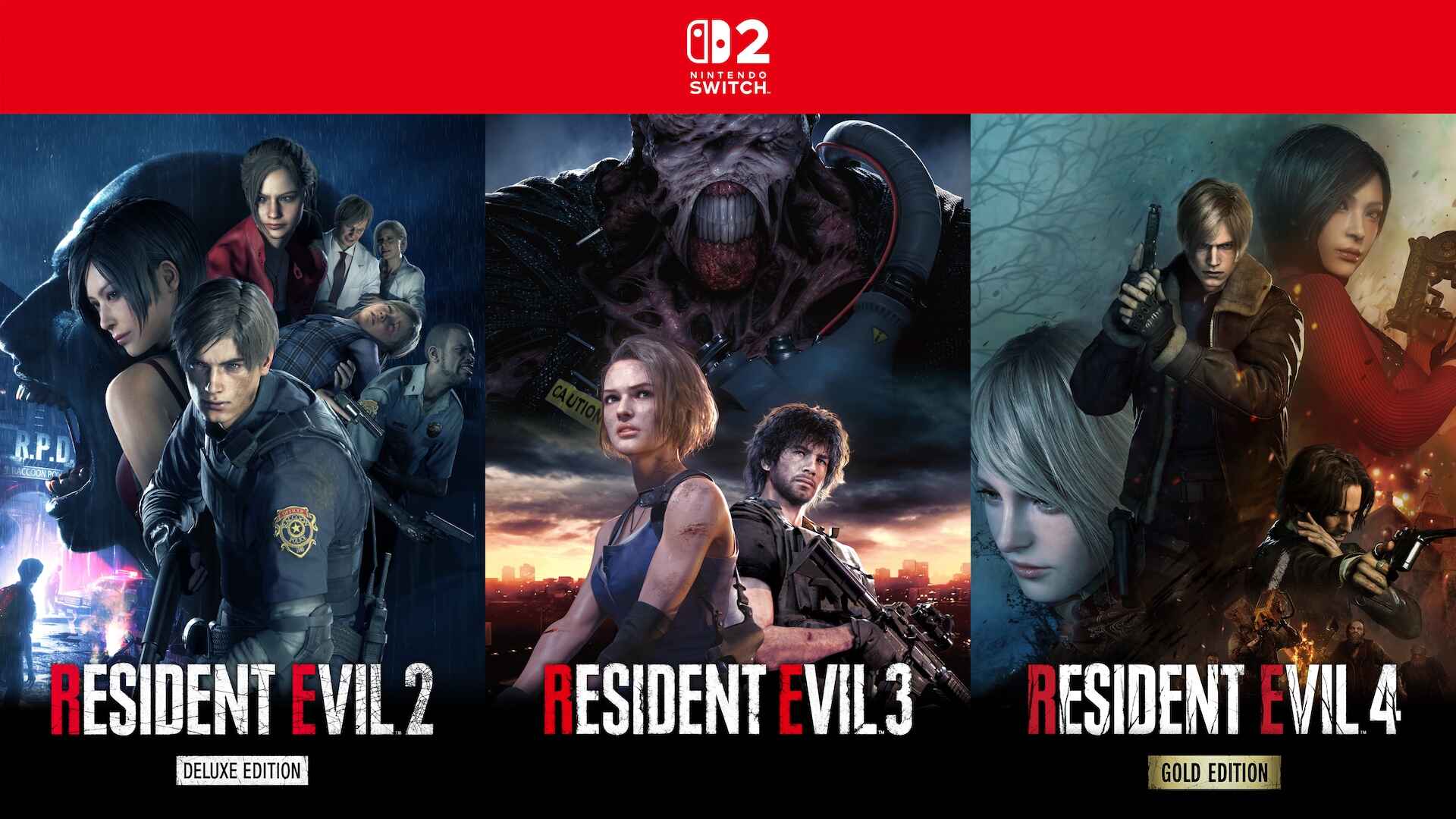
On the software front, Capcom’s Resident Evil Requiem emerged as the best-selling title this week, debuting at number one on PlayStation 5 with 155,373 units sold.
The Nintendo Switch 2 version of Resident Evil Requiem also made a strong showing with 38,793 units, highlighting the franchise’s continued popularity across multiple platforms.
Genki’s Tokyo Xtreme Racer for PlayStation 5 launched to 17,669 units, securing its spot in the top three.
For Nintendo Switch 2, first-party titles continue to drive engagement.
Mario Tennis Fever reached 12,106 units sold this week, bringing its cumulative total to 66,205.
Mario Kart World added 10,847 units to its staggering lifetime sales of 2,846,759.
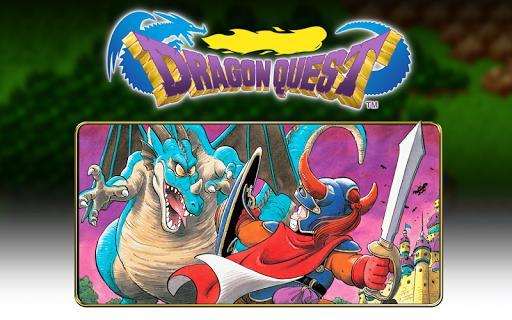
Bandai Namco’s Tales of Berseria Remastered (Nintendo Switch) launched to 9,798 units, while Square Enix’s Dragon Quest 7 Reimagined recorded strong performances on both Switch and Switch 2, underscoring the enduring appeal of classic RPG franchises.
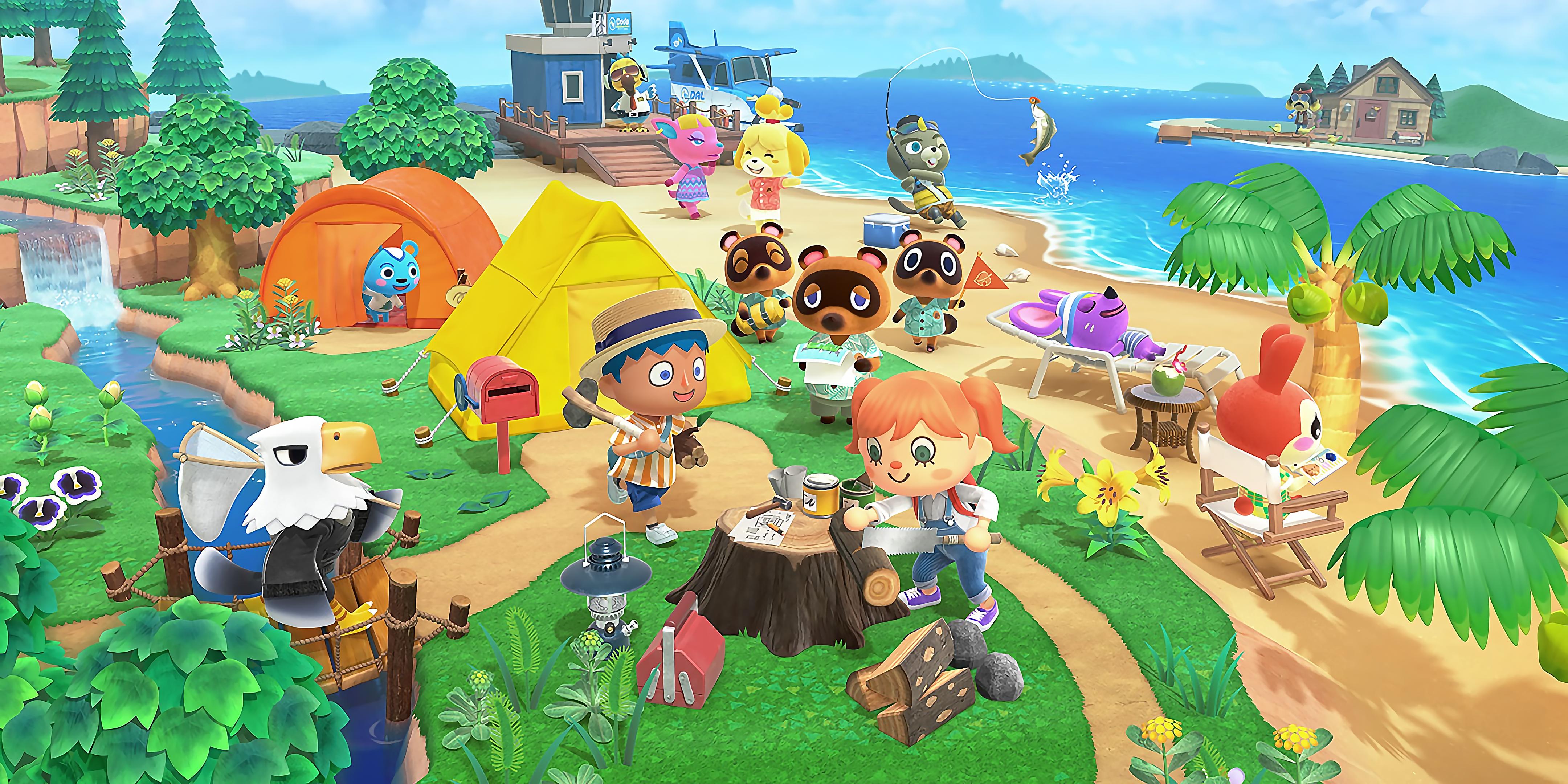
Animal Crossing: New Horizons also maintains a significant presence.
The Nintendo Switch version reached a remarkable 8,390,892 lifetime sales, with the Switch 2 edition totaling 78,521 units since launch, illustrating the title's lasting popularity.
These latest figures from Famitsu reinforce the Nintendo Switch 2’s status as the platform of choice for Japanese gamers in 2024.
With a strong release schedule, an extensive back catalog, and innovative hardware features, Nintendo and its partners continue to shape the landscape of interactive entertainment in Japan.
For those keeping a close watch on hardware and software trends, this week’s data affirms Nintendo’s market leadership and the ongoing importance of locally resonant game franchises.
Released in 2024 as the successor to the critically acclaimed Nintendo Switch family, the Switch 2 has quickly cemented itself as the market leader, driven by a combination of first-party exclusives and robust third-party support.
According to the most recent figures provided by Famitsu, the Nintendo Switch 2 moved 85,830 units this week, a significant increase from last week’s 63,313.
This impressive surge cements the Switch 2’s top position in the Japanese market, further distancing it from its competitors.
The Switch OLED and Switch Lite also exhibited strong sales, reaching 10,881 and 10,880 units sold respectively.
Despite being older hardware, these iterations continue to find a dedicated audience alongside the flagship model.
By comparison, Sony’s PlayStation 5 Digital Edition sold 8,272 units, while the standard PlayStation 5 and the PS5 Pro saw sales of 3,996 and 2,780, respectively.
Microsoft’s Xbox Series X Digital Edition reported 307 units sold, with the Xbox Series X at 241 units and the Xbox Series S rounding out the chart with 100 units.
The original Nintendo Switch and Sony’s PlayStation 4 recorded modest sales of 499 and 35 units, respectively, reflecting the ongoing transition towards newer hardware among Japanese gamers.
On the software front, Capcom’s Resident Evil Requiem emerged as the best-selling title this week, debuting at number one on PlayStation 5 with 155,373 units sold.
The Nintendo Switch 2 version of Resident Evil Requiem also made a strong showing with 38,793 units, highlighting the franchise’s continued popularity across multiple platforms.
Genki’s Tokyo Xtreme Racer for PlayStation 5 launched to 17,669 units, securing its spot in the top three.
For Nintendo Switch 2, first-party titles continue to drive engagement.
Mario Tennis Fever reached 12,106 units sold this week, bringing its cumulative total to 66,205.
Mario Kart World added 10,847 units to its staggering lifetime sales of 2,846,759.
Bandai Namco’s Tales of Berseria Remastered (Nintendo Switch) launched to 9,798 units, while Square Enix’s Dragon Quest 7 Reimagined recorded strong performances on both Switch and Switch 2, underscoring the enduring appeal of classic RPG franchises.
Animal Crossing: New Horizons also maintains a significant presence.
The Nintendo Switch version reached a remarkable 8,390,892 lifetime sales, with the Switch 2 edition totaling 78,521 units since launch, illustrating the title's lasting popularity.
These latest figures from Famitsu reinforce the Nintendo Switch 2’s status as the platform of choice for Japanese gamers in 2024.
With a strong release schedule, an extensive back catalog, and innovative hardware features, Nintendo and its partners continue to shape the landscape of interactive entertainment in Japan.
For those keeping a close watch on hardware and software trends, this week’s data affirms Nintendo’s market leadership and the ongoing importance of locally resonant game franchises.