
Famitsu, the influential Japanese gaming magazine, published its weekly review roundup for the week of April 26, 2026.
The issue includes new review scores for Pragmata, Shinigami Hime to Ishokan no Kaibutsu, and Game The Strongest Job Is Apparently Not a Hero or a Sage, but an Appraiser (Provisional) – Dungeon and Mystery Girl.
Famitsu reviews remain a closely watched barometer for Japanese-market reception, and this week's results highlight a clear leader among the three titles.
Key Famitsu review scores (week of April 26, 2026)
- Pragmata — 9/9/10/9 (total 37/40)
- Shinigami Hime to Ishokan no Kaibutsu — 7/8/7/7 (total 29/40)
- Game The Strongest Job Is Apparently Not a Hero or a Sage, but an Appraiser (Provisional) – Dungeon and Mystery Girl — 7/7/7/6 (total 27/40)
Famitsu's scoring methodology: four staff reviewers independently score each game on a 1–10 scale, and the combined total is given out of 40 points.
In journalistic terms, Famitsu's weekly totals reflect the aggregate impressions of four editors, with the highest individual subscores contributing to the overall result.
Pragmata's 37/40 is the standout result this week.
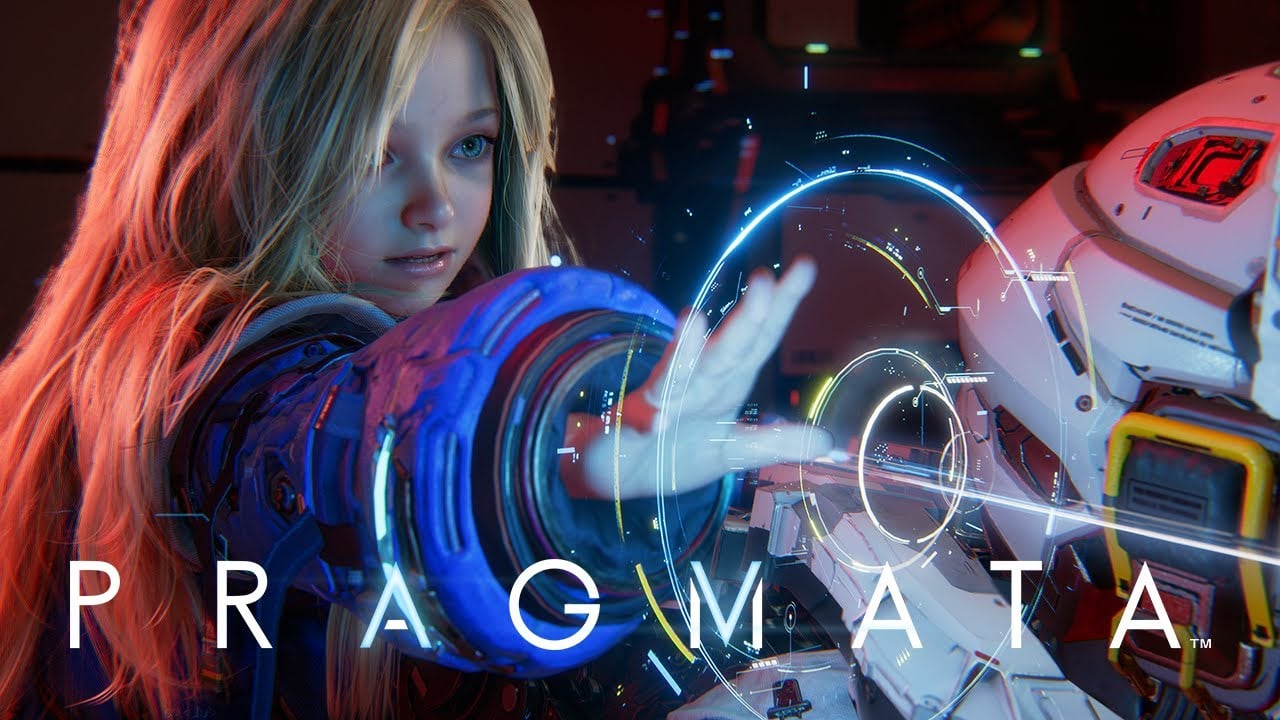
Developed and published by Capcom, Pragmata has attracted industry attention since its announcement; Capcom is credited as the game's developer and publisher.
Famitsu's high marks indicate strong critical reception in this issue's Japanese reviews.
Famitsu regularly evaluates titles across major platforms, including PlayStation, Xbox, PC and Nintendo platforms such as Nintendo Switch and the Nintendo eShop, making its scores useful context for platform holders and publishers.
The two other titles on this week's list earned solid mid-range scores.
Shinigami Hime to Ishokan no Kaibutsu received a combined 29/40, while the provisional-titled Game The Strongest Job Is Apparently Not a Hero or a Sage, but an Appraiser — Dungeon and Mystery Girl scored 27/40.
These totals represent the sum of four editorial scores, as is Famitsu's standard practice.
For developers, publishers and industry observers, Famitsu's weekly scores remain a timely snapshot of critical opinion in Japan.
Readers interested in earlier Famitsu reviews can consult our archives for historical scores and deeper context on how recent releases have performed in past issues.
The issue includes new review scores for Pragmata, Shinigami Hime to Ishokan no Kaibutsu, and Game The Strongest Job Is Apparently Not a Hero or a Sage, but an Appraiser (Provisional) – Dungeon and Mystery Girl.
Famitsu reviews remain a closely watched barometer for Japanese-market reception, and this week's results highlight a clear leader among the three titles.
Key Famitsu review scores (week of April 26, 2026)
- Pragmata — 9/9/10/9 (total 37/40)
- Shinigami Hime to Ishokan no Kaibutsu — 7/8/7/7 (total 29/40)
- Game The Strongest Job Is Apparently Not a Hero or a Sage, but an Appraiser (Provisional) – Dungeon and Mystery Girl — 7/7/7/6 (total 27/40)
Famitsu's scoring methodology: four staff reviewers independently score each game on a 1–10 scale, and the combined total is given out of 40 points.
In journalistic terms, Famitsu's weekly totals reflect the aggregate impressions of four editors, with the highest individual subscores contributing to the overall result.
Pragmata's 37/40 is the standout result this week.
Developed and published by Capcom, Pragmata has attracted industry attention since its announcement; Capcom is credited as the game's developer and publisher.
Famitsu's high marks indicate strong critical reception in this issue's Japanese reviews.
Famitsu regularly evaluates titles across major platforms, including PlayStation, Xbox, PC and Nintendo platforms such as Nintendo Switch and the Nintendo eShop, making its scores useful context for platform holders and publishers.
The two other titles on this week's list earned solid mid-range scores.
Shinigami Hime to Ishokan no Kaibutsu received a combined 29/40, while the provisional-titled Game The Strongest Job Is Apparently Not a Hero or a Sage, but an Appraiser — Dungeon and Mystery Girl scored 27/40.
These totals represent the sum of four editorial scores, as is Famitsu's standard practice.
For developers, publishers and industry observers, Famitsu's weekly scores remain a timely snapshot of critical opinion in Japan.
Readers interested in earlier Famitsu reviews can consult our archives for historical scores and deeper context on how recent releases have performed in past issues.