When Nintendo first introduced the Virtual Boy in North America in August 1995, few could have predicted its brief and tumultuous lifecycle. Despite fierce competition from Sega in the 16-bit era and industry skepticism, many loyal fans rushed out to purchase the Virtual Boy at launch, enticed by Nintendo’s track record for innovation. However, the Virtual Boy’s market presence lasted less than a year, with support ending after roughly six months—a rare stumble for the gaming giant.
During its short tenure, the Virtual Boy library amassed just 14 titles in North America, making complete collections an attainable, if bittersweet, goal for early adopters. Fans awaited a second wave of releases, but only "Wario Land VB" managed to debut before the console’s swift discontinuation. For years, Nintendo remained reticent about the Virtual Boy, and references to the system were sparse—mostly surfacing from within development teams who had worked closely on the console.
The perception around Virtual Boy saw a shift with the launch of newer hardware. The Nintendo 3DS, for example, reignited hopes that classic Virtual Boy games would find their way to modern platforms via collections or the Virtual Console. Yet, Virtual Boy remained conspicuously absent—until the surprise announcement that the Virtual Boy – Nintendo Classics app would debut on Nintendo Switch. This app not only brings a curated selection of Virtual Boy games to a new audience, but Nintendo has also committed to authentic hardware experiences, even introducing a replica Virtual Boy controller and leveraging Nintendo Labo VR accessories. Several previously unreleased titles are also set for official launch, drawing new excitement to this retro catalog.
At launch, Virtual Boy – Nintendo Classics ships with seven titles, a mix that covers a range of genres and gaming experiences. While the initial lineup is missing the original pack-in, Mario’s Tennis, it features notable standouts including the polished "Wario Land VB." This platformer remains the most recognized and refined Virtual Boy title—offering the kind of gameplay depth that hints at what the system might have achieved with a longer lifespan. Equally noteworthy is "Galactic Pinball," which cleverly utilizes stereoscopic 3D effects and features a hidden cameo from Samus Aran. "Red Alarm" showcases trippy wireframe visuals and, thanks to modern save states, becomes more accessible than ever before.
Fans of challenging action can tackle "Teleroboxer," a boxing title reminiscent of Punch-Out!! but with robotic fighters and a steeper learning curve, while "Golf" (by T&E Soft) presents a full-featured, if visually unique, sports experience. Rounding out the lineup are "3D Tetris," offering a twist on the beloved falling-block puzzle genre, and "The Mansion of Innsmouth"—an experimental horror game originally released only in Japan. Each game is now accessible with modern conveniences such as save states, control remapping for Joy-Con and contemporary controllers, and the ability to rewind gameplay—features particularly welcome for these challenging relics.
While the Virtual Boy’s experimental and sometimes unfinished feel has long divided critics, there is a charm to its rough edges. The library stands as a distinctive snapshot in Nintendo’s storied hardware history, and with Virtual Boy – Nintendo Classics, both nostalgic players and newcomers have a unique chance to experience these quirky, exclusive games. Nintendo’s decision to revive the Virtual Boy catalogue for the Nintendo Switch signals a willingness to revisit even its more controversial past, bringing renewed appreciation to a system once almost forgotten.
With more Virtual Boy titles planned for addition to the app over time, the relaunch demonstrates Nintendo’s ongoing commitment to classic gaming experiences and the preservation of gaming history for a new generation through the Nintendo Switch and the Nintendo eShop.
Nintendo Virtual Boy – Nintendo Classics Launch: A Look Back and Forward
Nintendo News Hub

Game Pages Mentioned In This Article
Use these Nintendo Switch game pages to keep exploring the titles connected to this story, including related genres, developers, screenshots, and more coverage.
The Way
Puzzling Dream · Action · 2016
View game page
Tennis
Nintendo · Sports · 1984
View game page
NORTH
Evgeniy Kolpakov t/a Sometimes You · Indie · 2016
View game page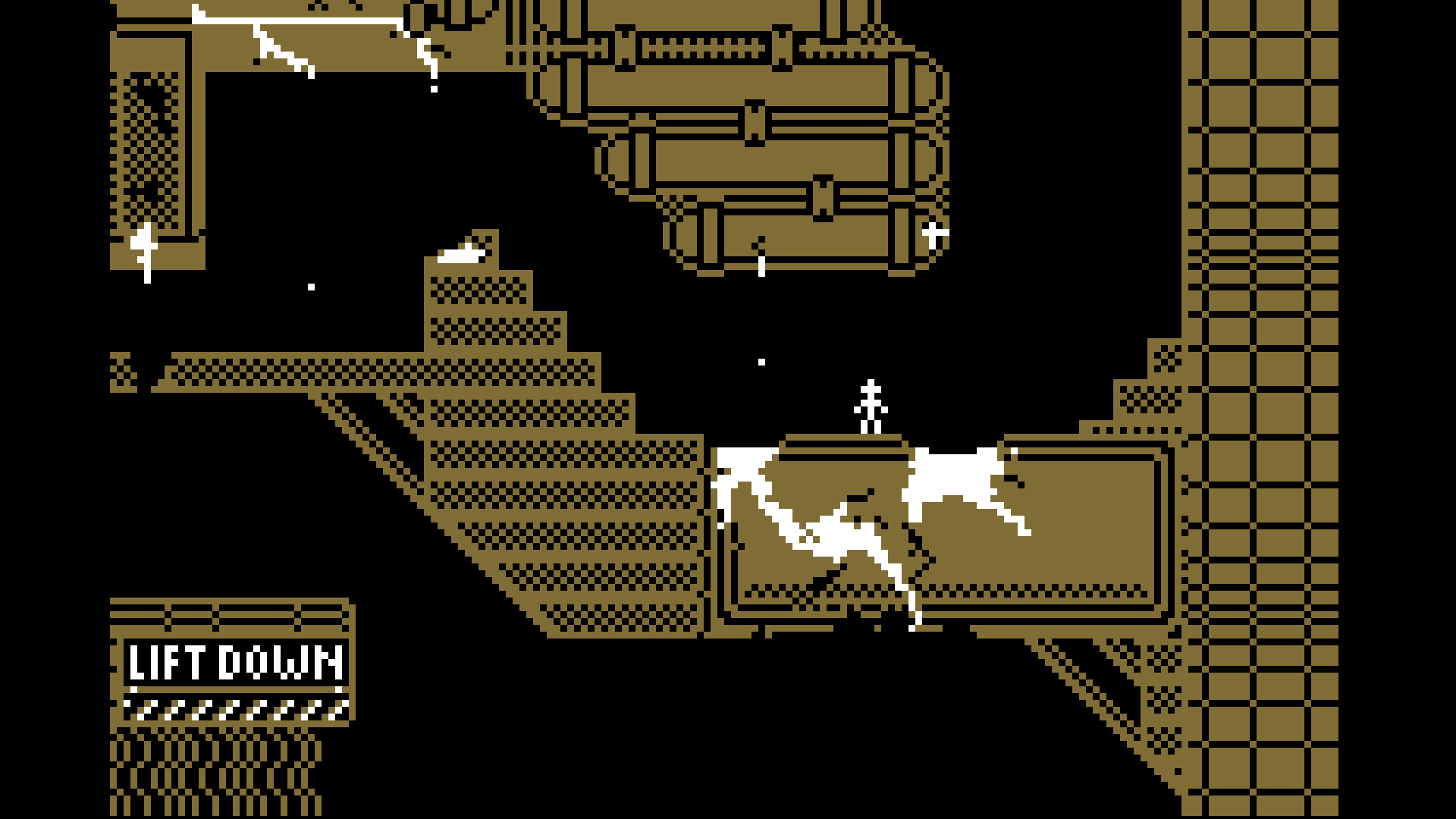
LOVE
Fred Wood · Action · 2014
View game page
Jump, Step, Step
Dzung Phung Dinh · Indie · 2017
View game page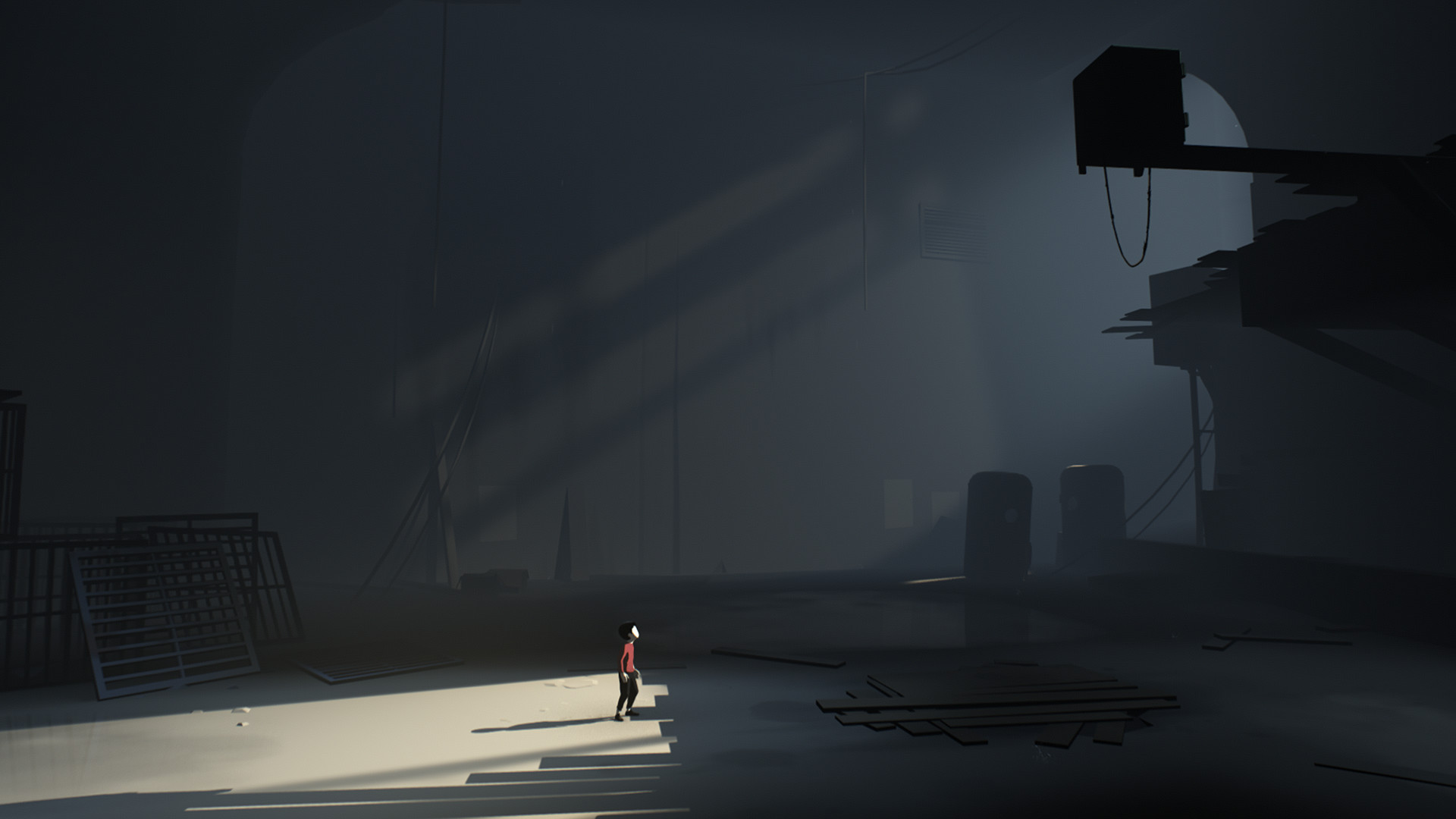
INSIDE
Playdead · Action · 2016
View game pageRelated Topics
Explore more articles about these topics:
Source: NintendoInsider