

Since the global success of Pokémon X and Y on the Nintendo 3DS in 2013, the Pokémon franchise—under the development of Game Freak and Nintendo—has consistently introduced innovative battle mechanics known as “gimmicks” to keep its gameplay fresh and dynamic. Each new generation has brought its own unique twist, shaping not only the competitive scene, but also enriching the lore and regional identity within the mainline Pokémon games. As we approach the ten-year anniversary of this trend—and with Pokémon Scarlet and Violet now three years old on Nintendo Switch—it’s the perfect time to revisit and rank every major battle gimmick, analyzing their impact on both critics and fans throughout the series’ storied history.
Mega Evolution: The Breakthrough Mechanic
Unveiled in Pokémon X and Y, Mega Evolution transformed the series by allowing select Pokémon to temporarily evolve during battle, unlocking new forms, abilities, and considerable stat boosts. This feature was further expanded in Pokémon Omega Ruby and Alpha Sapphire, ultimately amassing more than 70 different Mega Evolutions across the series. Mega Evolution quickly became a fan-favorite addition due to its spectacular visuals and the thrill of seeing classic Pokémon take on powerful new forms. While only specific Pokémon can use this mechanic—and an item slot is required for the Mega Stone—its unique balance between accessibility and exclusivity resonated strongly with the player base. A leading developer at Game Freak described Mega Evolution as “a way to deepen the connection between Trainers and their Pokémon, evolving strategy and companionship alike.”
Z-Moves: Power with Precision
Pokémon Sun and Moon on the Nintendo 3DS introduced Z-Moves, specialized attacks powered by Z-Crystals. Any Pokémon could wield a Z-Move, provided it held the corresponding crystal, allowing for significant customization. Z-Moves, deeply rooted in the cultural fabric of the Alola region, required not only skillful timing but also a high level of prediction, as they could only be used once per battle and consumed the user’s held item slot. Despite their potential to turn the tide of a match, Z-Moves received mixed responses due to their requirement for perfect timing and limited versatility, especially when compared to the longevity of Mega Evolution or the dramatic impact of mechanics that followed.
Dynamax & Gigantamax: Stadium-Sized Showdowns
Arriving with Pokémon Sword and Shield on the Nintendo Switch, Dynamax and Gigantamax mechanics literally transformed the scale of battles. For three turns, players could Dynamax any Pokémon, doubling its HP and granting access to Max Moves with unique effects—such as Max Airstream’s speed boosts or Max Steelspike’s defensive advantage. Gigantamax forms added exclusive aesthetics and moves to certain species, deepening ties to the Galar region’s sports-centric culture. While the competitive community found Dynamax to be powerful and game-changing, some fans critiqued its presentation. A statement from Game Freak described Dynamax as “a core part of Galar’s identity, bringing spectacle and new layers of strategy to each match,” though balancing issues and narrative implementation left some wanting more.
Terastallization: Shifting the Competitive Landscape
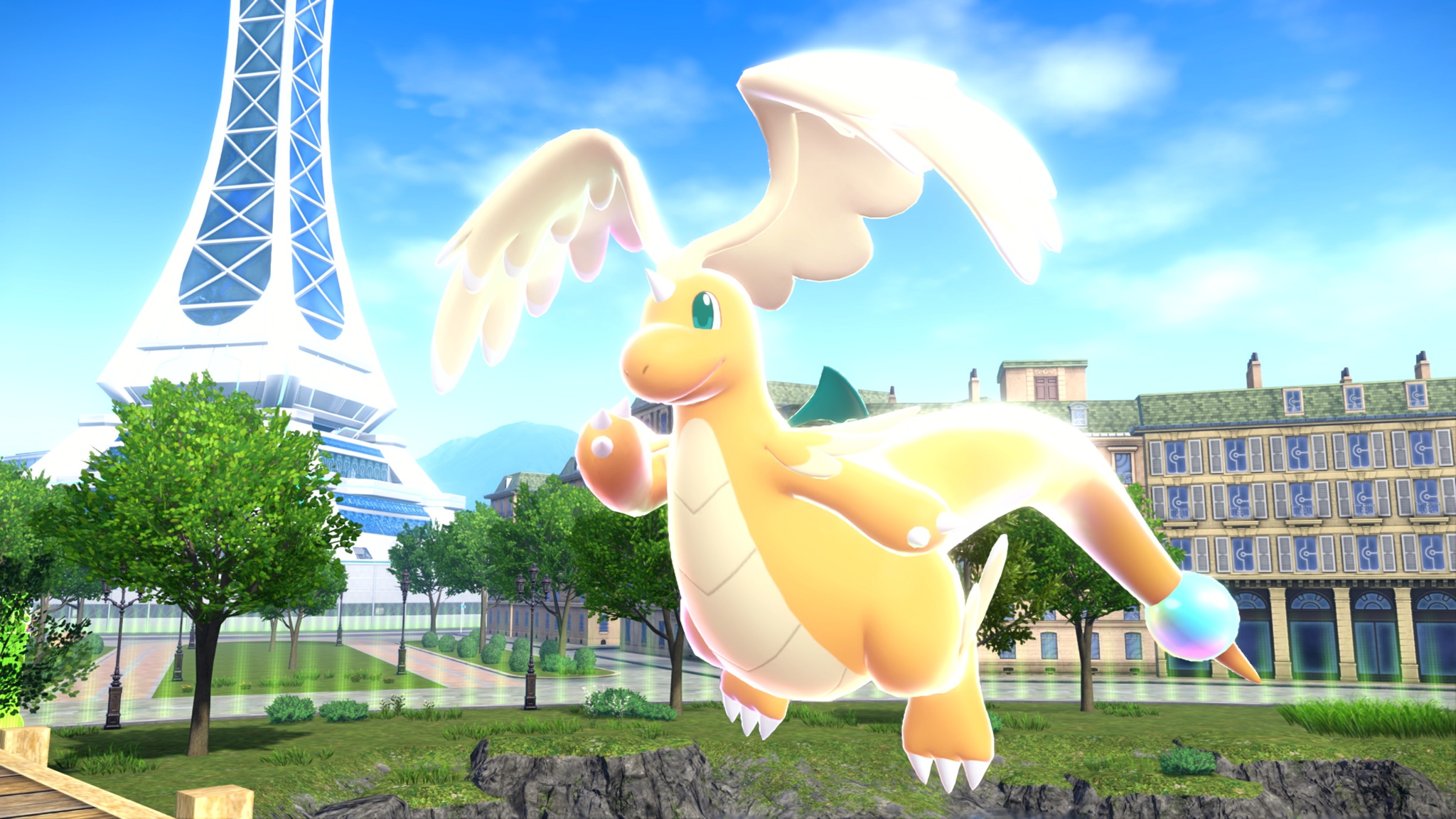
Pokémon Scarlet and Violet introduced the newest battle mechanic, Terastallization, exclusively on Nintendo Switch. This system lets any Pokémon change its type mid-battle, unlocking immense possibilities for strategy and surprise. By Terastallizing, players can shift a Pokémon’s strengths and weaknesses or power up specific attacks, radically changing type matchups on the fly. While the visual style of the Terastallized “hats” sparked some debate, the mechanic has generally received positive reviews from competitive players who value its strategic depth. Game Freak commented that the feature “reflects the crystalline theme of Paldea and lets Trainers express their individuality on the battlefield.”
Looking Ahead
With every new generation, Pokémon battle gimmicks have not only diversified competitive play but also served as a thematic core for each region and release. From Mega Evolution’s debut in 2013 to the current era of Terastallization in Scarlet and Violet, each system demonstrates Game Freak and Nintendo’s commitment to innovation on platforms like the Nintendo Switch. As anticipation grows for Generation 10, fans and competitive players alike are eager to see how future Nintendo Direct presentations and eShop offerings will build on this storied legacy.
Which battle mechanic stands as your favorite? The ongoing evolution of Pokémon’s core battles ensures that, as new generations launch, the franchise will continue to surprise, inspire, and captivate Trainers and competitors worldwide.
Ranking Every Pokémon Battle Gimmick from Mega Evolution to Terastallization
Nintendo News Hub
Game Pages Mentioned In This Article
Use these Nintendo Switch game pages to keep exploring the titles connected to this story, including related genres, developers, screenshots, and more coverage.
Related Topics
Explore more articles about these topics:
Source: NintendoEverything