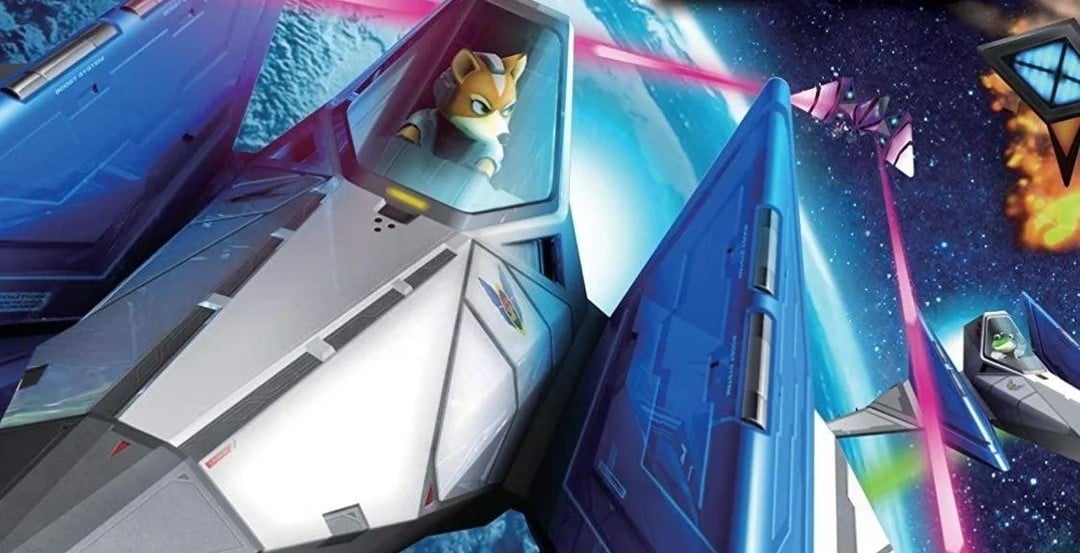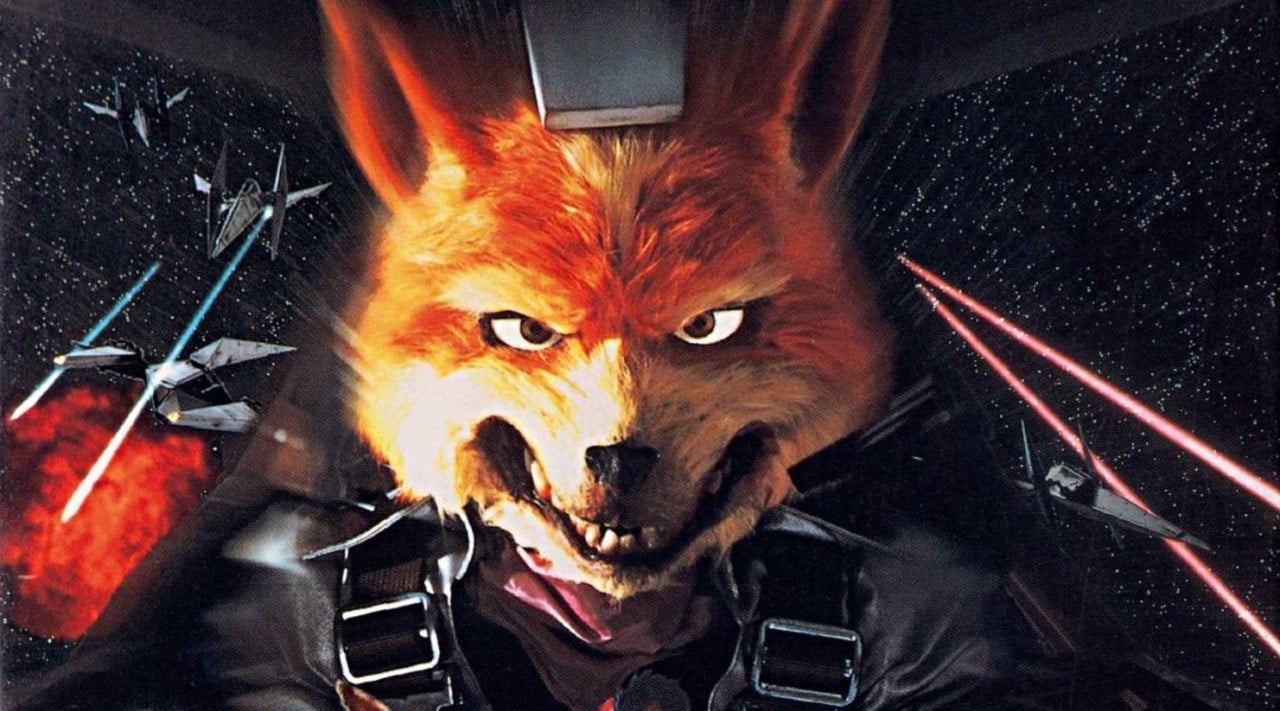

The Star Fox marketing puppets used in Nintendo's 1993 SNES campaign have been a long-running curiosity for fans and preservationists.
Star Fox, developed by Nintendo in collaboration with Argonaut Software and released for the Super Nintendo Entertainment System in 1993, launched a multimedia marketing push that included live-action puppets of Fox McCloud and his team.
Those puppets appeared in print ads, in-store promotions, official box art and at events, then largely vanished from public view.
Recent reporting has traced the puppets' production, archival trail and eventual fate.
The puppets were produced by an external effects studio for Nintendo Co., Ltd. and featured in marketing materials around the game's launch.
Over the years, fans and former staff have offered conflicting accounts about whether any of those physical models survived in Nintendo archives.
To clarify, reporters contacted multiple sources connected to the franchise and the suspected puppet maker.
Former Star Fox programmer Dylan Cuthbert told investigators that he believed he last saw the models approximately 15 years ago in a storage area at Nintendo, but he also cautioned that his memory was vague and he could not confirm what happened to them.
Takaya Imamura, the Star Fox artist, responded in Japanese that he had never personally seen the puppets and had been told they had been destroyed.
Investigators then reached out to the effects studio Shirogumi, prompted in part by an early-1990s photograph that shows director Takashi Yamazaki posing with a Fox puppet.
With the assistance of translator Liz Bushouse, the team contacted Shirogumi and received a definitive technical explanation.
Shirogumi confirmed that the puppets were constructed by adhering fur and feathers to natural rubber substrates.
Because those materials degrade when exposed to air, the studio said it was necessary to destroy the puppets after production concluded.
Reporters also examined visual differences among surviving promotional materials and discovered that the models used for box art differed from the cockpit-stage puppets used in some in-store demos; those cockpit models were less able to stand independently.
Additionally, a model kit based on the 1993 Fox design was documented at Wonder Fest several years prior to a reported 2011 sighting at Nintendo, offering one plausible explanation for what some visitors may have observed in storage.
Taken together, the verified accounts from a former programmer, the franchise artist, and the effects studio point to a clear outcome: the original Star Fox marketing puppets were not preserved long-term and were destroyed following production, primarily due to material deterioration.
The case highlights the broader challenges of preserving physical marketing artifacts from early console eras and underscores the importance of documenting promotional materials for gaming history.
Star Fox, developed by Nintendo in collaboration with Argonaut Software and released for the Super Nintendo Entertainment System in 1993, launched a multimedia marketing push that included live-action puppets of Fox McCloud and his team.
Those puppets appeared in print ads, in-store promotions, official box art and at events, then largely vanished from public view.
Recent reporting has traced the puppets' production, archival trail and eventual fate.
The puppets were produced by an external effects studio for Nintendo Co., Ltd. and featured in marketing materials around the game's launch.
Over the years, fans and former staff have offered conflicting accounts about whether any of those physical models survived in Nintendo archives.
To clarify, reporters contacted multiple sources connected to the franchise and the suspected puppet maker.
Former Star Fox programmer Dylan Cuthbert told investigators that he believed he last saw the models approximately 15 years ago in a storage area at Nintendo, but he also cautioned that his memory was vague and he could not confirm what happened to them.
Takaya Imamura, the Star Fox artist, responded in Japanese that he had never personally seen the puppets and had been told they had been destroyed.
Investigators then reached out to the effects studio Shirogumi, prompted in part by an early-1990s photograph that shows director Takashi Yamazaki posing with a Fox puppet.
With the assistance of translator Liz Bushouse, the team contacted Shirogumi and received a definitive technical explanation.
Shirogumi confirmed that the puppets were constructed by adhering fur and feathers to natural rubber substrates.
Because those materials degrade when exposed to air, the studio said it was necessary to destroy the puppets after production concluded.
Reporters also examined visual differences among surviving promotional materials and discovered that the models used for box art differed from the cockpit-stage puppets used in some in-store demos; those cockpit models were less able to stand independently.
Additionally, a model kit based on the 1993 Fox design was documented at Wonder Fest several years prior to a reported 2011 sighting at Nintendo, offering one plausible explanation for what some visitors may have observed in storage.
Taken together, the verified accounts from a former programmer, the franchise artist, and the effects studio point to a clear outcome: the original Star Fox marketing puppets were not preserved long-term and were destroyed following production, primarily due to material deterioration.
The case highlights the broader challenges of preserving physical marketing artifacts from early console eras and underscores the importance of documenting promotional materials for gaming history.