Introduction
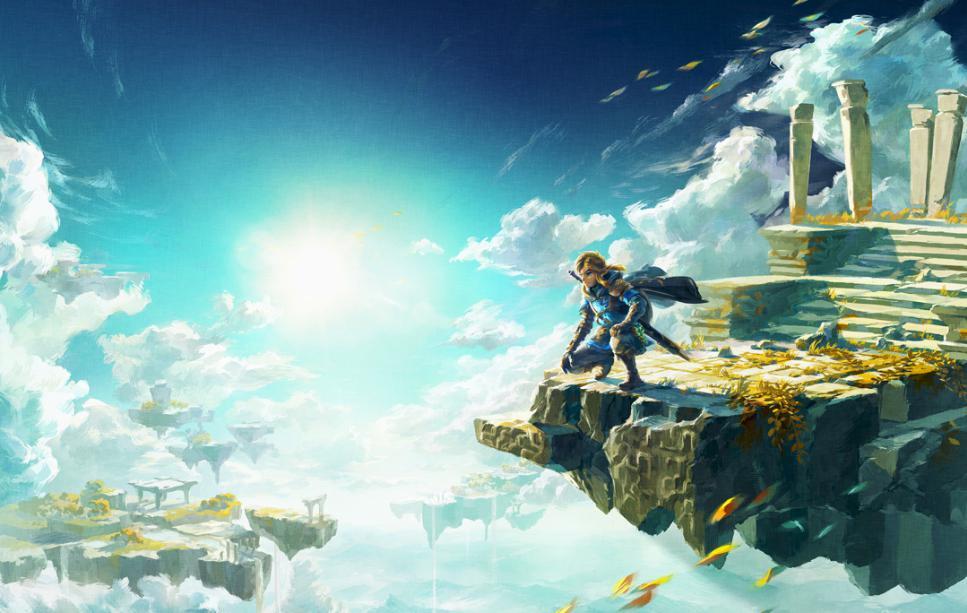
The Legend of Zelda: Tears of the Kingdom was one of Nintendo’s most tightly held projects in recent memory, with details kept from large portions of the company until its public unveiling. Developed by Nintendo EPD and produced by longtime series lead Eiji Aonuma, the sequel to The Legend of Zelda: Breath of the Wild was first teased during E3 2019 and released worldwide for Nintendo Switch on May 12, 2023. In a recent episode of the Kit & Krysta podcast, former Nintendo of America (NOA) employees described how Nintendo restricted internal awareness of the title ahead of its reveal.
Why the secrecy mattered
According to Kit Ellis, who served as NOA’s director of social media marketing and content creation at the time, Tears of the Kingdom received a higher level of internal security than typical Nintendo projects. She said only the development team and a small group of key staff were informed of the project before the reveal, and that she was given early information specifically to prepare marketing materials for the announcement. Ellis explained she faced a significant workload coordinating communications: a large marketing effort was assembled to produce assets and messaging, with Nintendo Direct identified as the primary vehicle for the game’s announcement.
Ellis’ account was echoed by co-host Krysta Yang, who said many NOA staff were genuinely surprised when the teaser trailer played at E3 2019. While a sequel to Breath of the Wild was widely anticipated at some point, Yang noted the timing of the reveal and the immediate public announcement caught most employees off guard.
Context and impact
The E3 2019 teaser reintroduced fans to the world of Hyrule and confirmed a direct follow-up to Breath of the Wild, originally released in 2017 for Nintendo Switch. Tears of the Kingdom arrived on May 12, 2023, and quickly became a commercial success on Nintendo Switch. Nintendo’s post-release reporting and fiscal updates have highlighted the title’s strong sales performance, reinforcing its place as a marquee franchise for the company.
For industry observers, the episode underscores how major first-party projects are sometimes compartmentalized within Nintendo to control messaging and surprises. Marketing channels such as Nintendo Direct continue to play a central role in how Nintendo times and presents those surprises to a global audience.
How Nintendo Kept The Legend of Zelda: Tears of the Kingdom Secret Until E3 2019
Nintendo News Hub

Game Pages Mentioned In This Article
Use these Nintendo Switch game pages to keep exploring the titles connected to this story, including related genres, developers, screenshots, and more coverage.
Related Topics
Explore more articles about these topics:
Source: NintendoWire