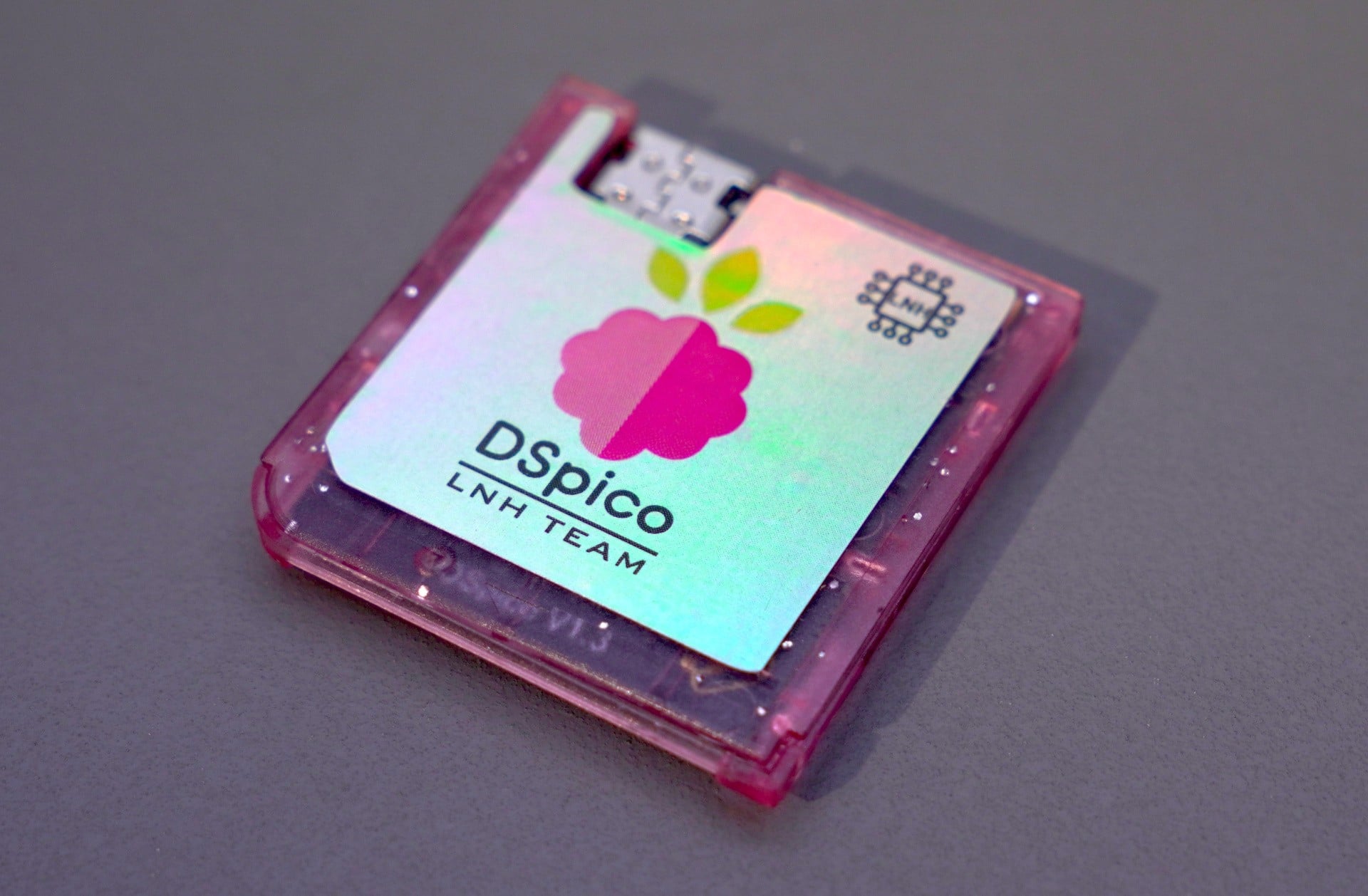
Classic Nintendo DS and DSi hardware continue to inspire innovative preservation efforts, with the recent launch of the DSPico flashcart marking a significant milestone for enthusiasts and developers alike.
The DSPico project, initiated by the LNH Team—an organization committed to safeguarding classic consoles and software—brings an open-source approach to flashcart technology, enabling both homebrew development and the ongoing preservation of Nintendo handheld experiences.
Officially announced in November 2025, the DSPico is comprised of two main components: a fully open-source cartridge and a versatile app launcher that supports not only DSPico hardware but also other DS flashcarts already on the market.
This dual-pronged design encourages broader accessibility and enhancements by the community.
All schematics, software, and documentation for the DSPico are freely available, empowering hobbyists to construct, modify, or improve the device to suit their needs.
As of April 2026, pre-assembled DSPico flashcarts are now purchasable from third-party retailers.
Both Phenom Mods and Laser Bear Industries have brought assembled versions to market, with pricing set at $20 and $30 respectively.
Notably, these retail offerings are produced independently; the LNH Team itself is not involved in the manufacturing or distribution of these units, which is consistent with the project's fully open-source ethos.
A representative from LNH Team emphasized their philosophy, stating that they are dedicated to empowering the community through unrestricted access to the hardware and software.
The team clarified that all necessary materials to assemble or modify a DSPico are freely accessible to anyone interested.
While the current hardware version does not natively support infrared (IR) communication, the cartridge features a development port—opening possibilities for the creation of community-made peripherals, including a prospective infrared expansion module.
Nintendo has a history of challenging DS and 3DS flashcart products, often citing concerns about piracy and unauthorized game backups.
However, the DSPico's open-source design provides some unique differentiation, potentially positioning it outside the scope of typical legal challenges associated with proprietary flashcart devices.
Community advocates argue that such open projects foster preservation, homebrew development, and legitimate software backup.
With the DSPico flashcart now accessible as a fully assembled retail option, Nintendo DS and DSi users have an exciting new avenue for exploring their favorite handheld platform, opening the door to enhanced homebrew creativity and the continued celebration of Nintendo's portable gaming legacy.
The DSPico project, initiated by the LNH Team—an organization committed to safeguarding classic consoles and software—brings an open-source approach to flashcart technology, enabling both homebrew development and the ongoing preservation of Nintendo handheld experiences.
Officially announced in November 2025, the DSPico is comprised of two main components: a fully open-source cartridge and a versatile app launcher that supports not only DSPico hardware but also other DS flashcarts already on the market.
This dual-pronged design encourages broader accessibility and enhancements by the community.
All schematics, software, and documentation for the DSPico are freely available, empowering hobbyists to construct, modify, or improve the device to suit their needs.
As of April 2026, pre-assembled DSPico flashcarts are now purchasable from third-party retailers.
Both Phenom Mods and Laser Bear Industries have brought assembled versions to market, with pricing set at $20 and $30 respectively.
Notably, these retail offerings are produced independently; the LNH Team itself is not involved in the manufacturing or distribution of these units, which is consistent with the project's fully open-source ethos.
A representative from LNH Team emphasized their philosophy, stating that they are dedicated to empowering the community through unrestricted access to the hardware and software.
The team clarified that all necessary materials to assemble or modify a DSPico are freely accessible to anyone interested.
While the current hardware version does not natively support infrared (IR) communication, the cartridge features a development port—opening possibilities for the creation of community-made peripherals, including a prospective infrared expansion module.
Nintendo has a history of challenging DS and 3DS flashcart products, often citing concerns about piracy and unauthorized game backups.
However, the DSPico's open-source design provides some unique differentiation, potentially positioning it outside the scope of typical legal challenges associated with proprietary flashcart devices.
Community advocates argue that such open projects foster preservation, homebrew development, and legitimate software backup.
With the DSPico flashcart now accessible as a fully assembled retail option, Nintendo DS and DSi users have an exciting new avenue for exploring their favorite handheld platform, opening the door to enhanced homebrew creativity and the continued celebration of Nintendo's portable gaming legacy.