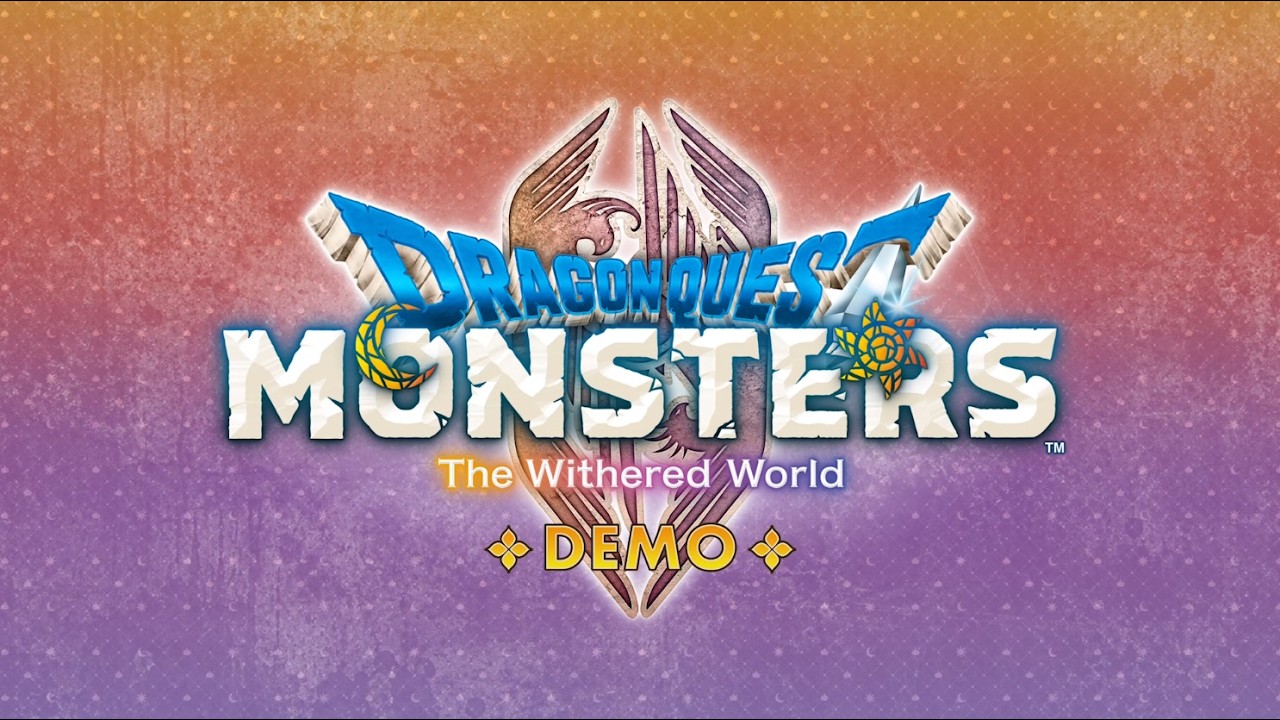
Square Enix has delivered a fresh renaissance for legendary RPGs with the release of Dragon Quest I & II HD-2D Remake, now available for Nintendo Switch 2. Following the critical success of Dragon Quest III HD-2D Remake, the studio has meticulously reimagined the formative entries that shaped not only the series, but the entire role-playing genre in Japan. Known for its innovative HD-2D visual style, Square Enix continues to honor the franchise’s storied past while introducing numerous quality-of-life improvements, making these classic adventures more accessible and engaging for a contemporary audience.
The HD-2D remake project serves as both preservation and transformation. The original Dragon Quest games, launched in the late 1980s for the Famicom, established foundational RPG mechanics and narrative structures that inspired generations. Dragon Quest III in particular marked the shift from popular game to cultural phenomenon in Japan, which is why it fittingly debuted first in the remake lineup. The decision to present the trilogy in a chronological order, beginning with Dragon Quest III and followed by Dragon Quest I & II, offers a cohesive narrative experience—albeit at the expense of the original’s surprise prequel twist.
As the remake of Dragon Quest I & II arrives, Square Enix demonstrates a keen awareness of the challenge in modernizing two shorter, more experimental titles after the well-rounded Dragon Quest III. Gameplay in these early entries has been significantly expanded: players will encounter a broader roster of enemies, newly added gear like boomerangs and whips, and the opportunity to discover scrolls granting spells and abilities. With these enhancements, the hero of Dragon Quest I becomes both more adaptable and formidable, effectively addressing criticisms of the original’s simplicity while raising the overall difficulty to match the improved capabilities.
"The new visual presentation, orchestrated soundtracks, and fully voiced dialogue help integrate classic content with modern standards," said the Square Enix team in recent materials. Additionally, difficulty options and cheat settings enable players to fine-tune their experience. The landscapes of dungeons, towns, and other locales are expanded in scope while retaining the essence of their original layouts, resulting in an adventure that feels both nostalgic and luxurious.
Narrative expansion is another significant aspect of the remake. Players will encounter a wider array of named characters, richer subplots, and fully realized cutscenes—an evolution from the sparse storytelling of the originals. The destruction of Moonbrooke, for example, now carries authentic emotional weight within Dragon Quest II, fueling the party’s quest with compelling new drama. Resource management deepens as heroes acquire scrolls and gear, requiring strategic allocation across team members to optimize their growing skills.
Dragon Quest II, often overshadowed by its successors, enjoys what can only be described as a full-scale glow-up. The expanded party interactions and a major late-game overhaul elevate it from a franchise outlier to a showpiece RPG in its own right. While longtime fans may miss the brisk simplicity of the earliest titles, most will agree that the remakes successfully blend tradition and innovation—making them essential experiences for series veterans and JRPG newcomers alike.
Performance on Nintendo Switch 2 is notably improved, mirroring the patchwork seen in Dragon Quest III HD-2D Remake, with options for sharper visuals at 30 frames per second or smoother gameplay at 60 frames per second. The eShop release ensures broad accessibility for both returning fans and new players.
With Dragon Quest I & II HD-2D Remake, Square Enix offers more than a simple graphical update—it’s a comprehensive reimagining and amplification of beloved classics. From revitalized presentation to deeper gameplay and storytelling, these remakes cement the Dragon Quest legacy for another generation and reaffirm the Nintendo Switch 2 as a premier platform for RPG excellence.
Dragon Quest I & II HD-2D Remake Breathes New Life into Classic RPGs on Nintendo Switch 2
Nintendo News Hub

Game Pages Mentioned In This Article
Use these Nintendo Switch game pages to keep exploring the titles connected to this story, including related genres, developers, screenshots, and more coverage.
I, Zombie
Awesome Games Studio · Action · 2014
View game page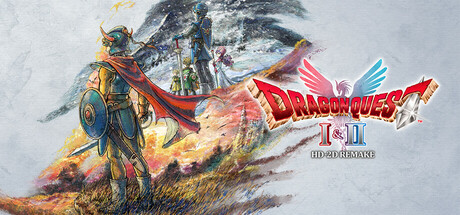
Dragon Quest I & II HD-2D Remake
Square Enix · RPG · 2025
View game page
DRAGON QUEST
Square Enix · RPG · 2014
View game page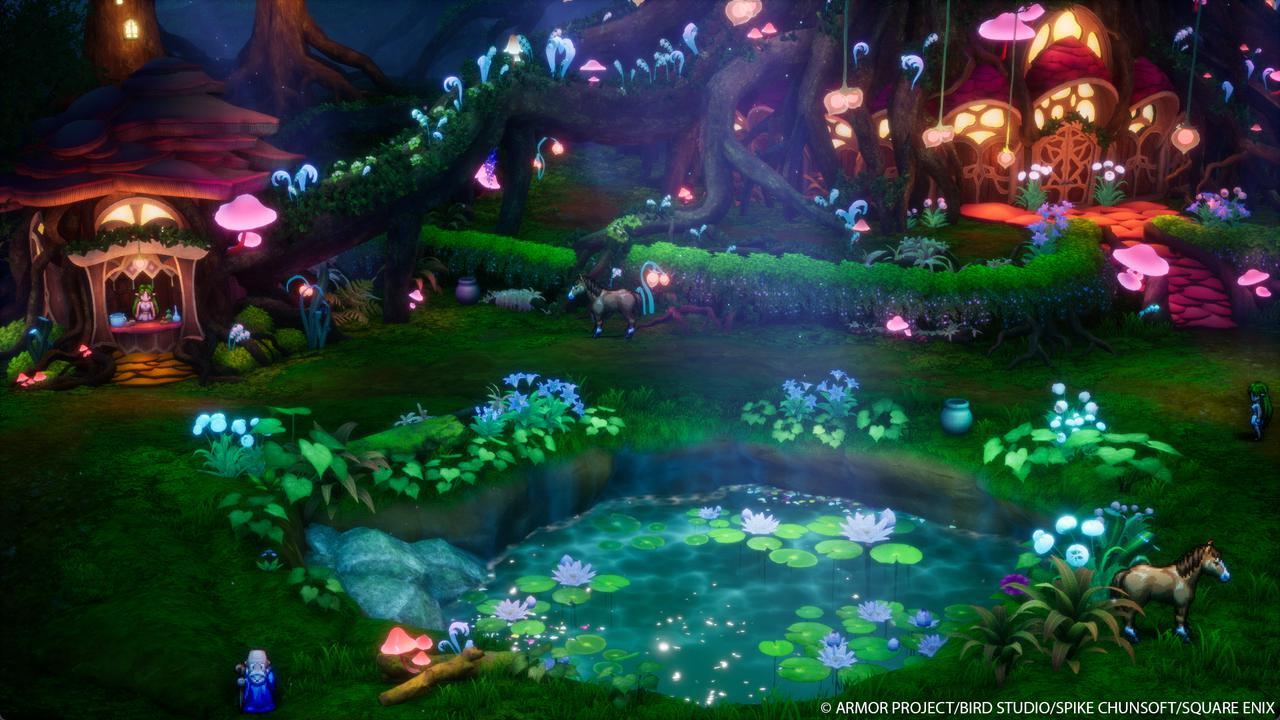
Dragon Quest III HD-2D Remake
Square Enix · Adventure · 2024
View game page
MATCH
PlatformaVR · Action · 2020
View game page
Jump, Step, Step
Dzung Phung Dinh · Indie · 2017
View game pageRelated Topics
Explore more articles about these topics:
Source: NintendoInsider