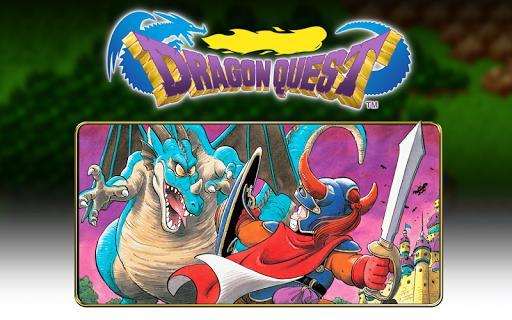
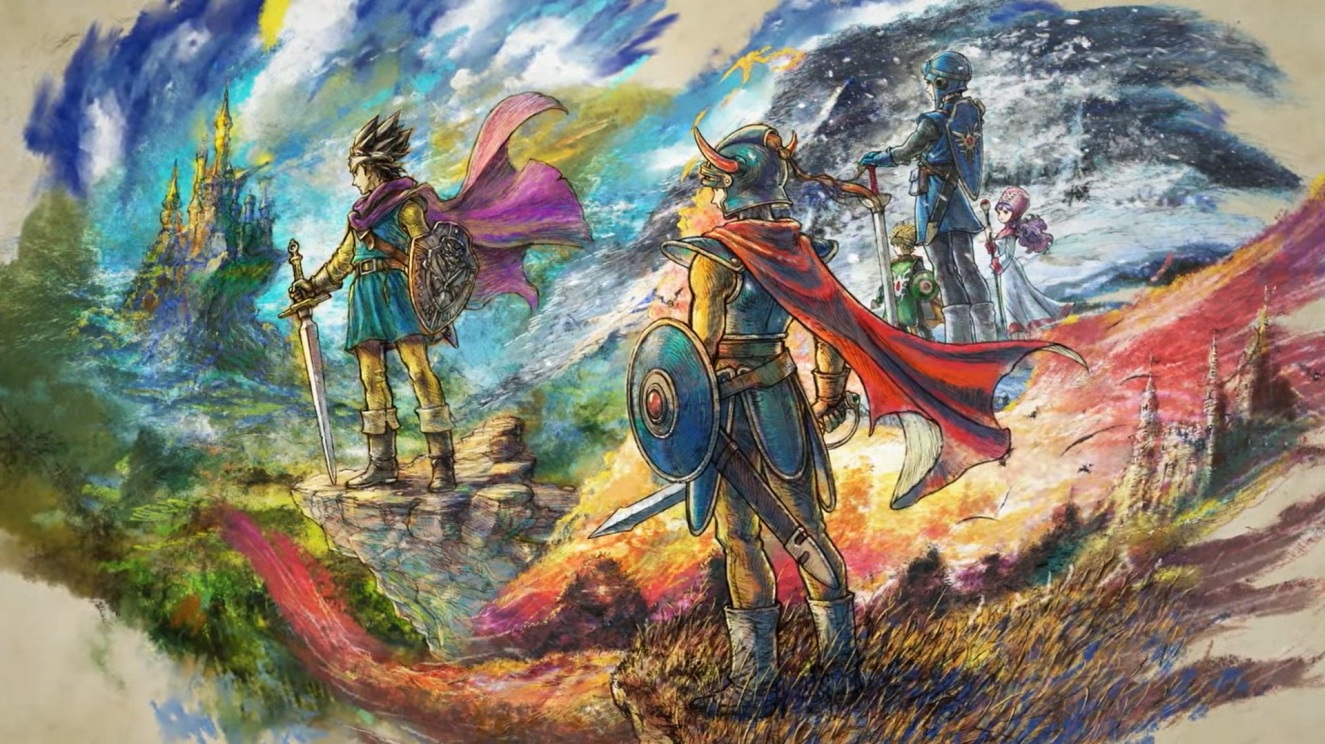
Square Enix’s Dragon Quest 3 HD-2D Remake marked a significant moment for fans of classic role-playing games on the Nintendo Switch. Launching in November last year, Dragon Quest 3 HD-2D Remake was swiftly followed by the arrivals of Dragon Quest 1 & 2 HD-2D Remake, with both titles now available on the Nintendo Switch eShop and other major platforms. These releases have revitalized the beloved Erdrick Trilogy with contemporary visuals, HD-2D graphics, and carefully updated gameplay, reinforcing Square Enix’s reputation for expertly bridging nostalgia and innovation.
In a recent interview with Famitsu, producer Masaaki Hayasaka reflected on the strategic decision to debut the HD-2D remake series with Dragon Quest 3. According to Hayasaka, series creator Yuji Horii proposed launching Dragon Quest 3 first—a choice that initially sparked concerns. "When the suggestion to release Dragon Quest 3 ahead of the earlier entries came up, I was genuinely apprehensive," Hayasaka told Famitsu. He acknowledged that Dragon Quest 3’s stature as the conclusion of the Erdrick Trilogy—and its broader array of gameplay elements—created a substantial challenge: ensuring that the subsequent remakes of Dragon Quest 1 and 2 would not be overshadowed or perceived as less substantial. To tackle this, Hayasaka explained, "I developed numerous ideas to enrich the experience of Dragon Quest 1 & 2 and engaged in extensive discussions with Mr. Horii to make sure those titles stood on their own."
The development process also provided unforeseen advantages. Hayasaka revealed that while Dragon Quest 3 started development first, work on Dragon Quest 1 & 2 began once a significant portion of the former was completed. This staggered approach soon evolved into parallel development for both projects. Collaborating closely, Hayasaka and Horii regularly compared notes—what worked for Dragon Quest 3, they would adapt or refine for Dragon Quest 1 & 2. "After a certain point, both projects moved forward simultaneously, which admittedly was demanding," Horii commented during the interview. "However," added Hayasaka, "this overlap meant some gameplay mechanics were realized precisely because both teams were actively developing side by side. It was challenging but ultimately rewarding."
Both remakes exemplify Square Enix’s mastery in reimagining and expanding legacy titles within the constraints and expectations of modern platforms like the Nintendo Switch. The HD-2D remakes are celebrated for their visually striking reinterpretation of classic pixel art, retaining the essence of the original games while offering enhancements suited to contemporary audiences.
Dragon Quest 3 HD-2D Remake and Dragon Quest 1 & 2 HD-2D Remake are available now on the Nintendo Switch, adding new chapters to the storied Dragon Quest lineage. As Square Enix continues to honor its iconic RPG heritage, players can also look forward to Dragon Quest 7 Reimagined, scheduled to release early next year.
Translation of the Famitsu interview was provided by SatsumaFS, Philip Proctor, and Simon Griffin, as featured on Nintendo Everything.
Dragon Quest 3 HD-2D Remake Set the Stage for Dragon Quest 1 & 2 Remakes: Insights from Square Enix on Release Strategy
Nintendo News Hub
Game Pages Mentioned In This Article
Use these Nintendo Switch game pages to keep exploring the titles connected to this story, including related genres, developers, screenshots, and more coverage.
Related Topics
Explore more articles about these topics:
Source: NintendoEverything