
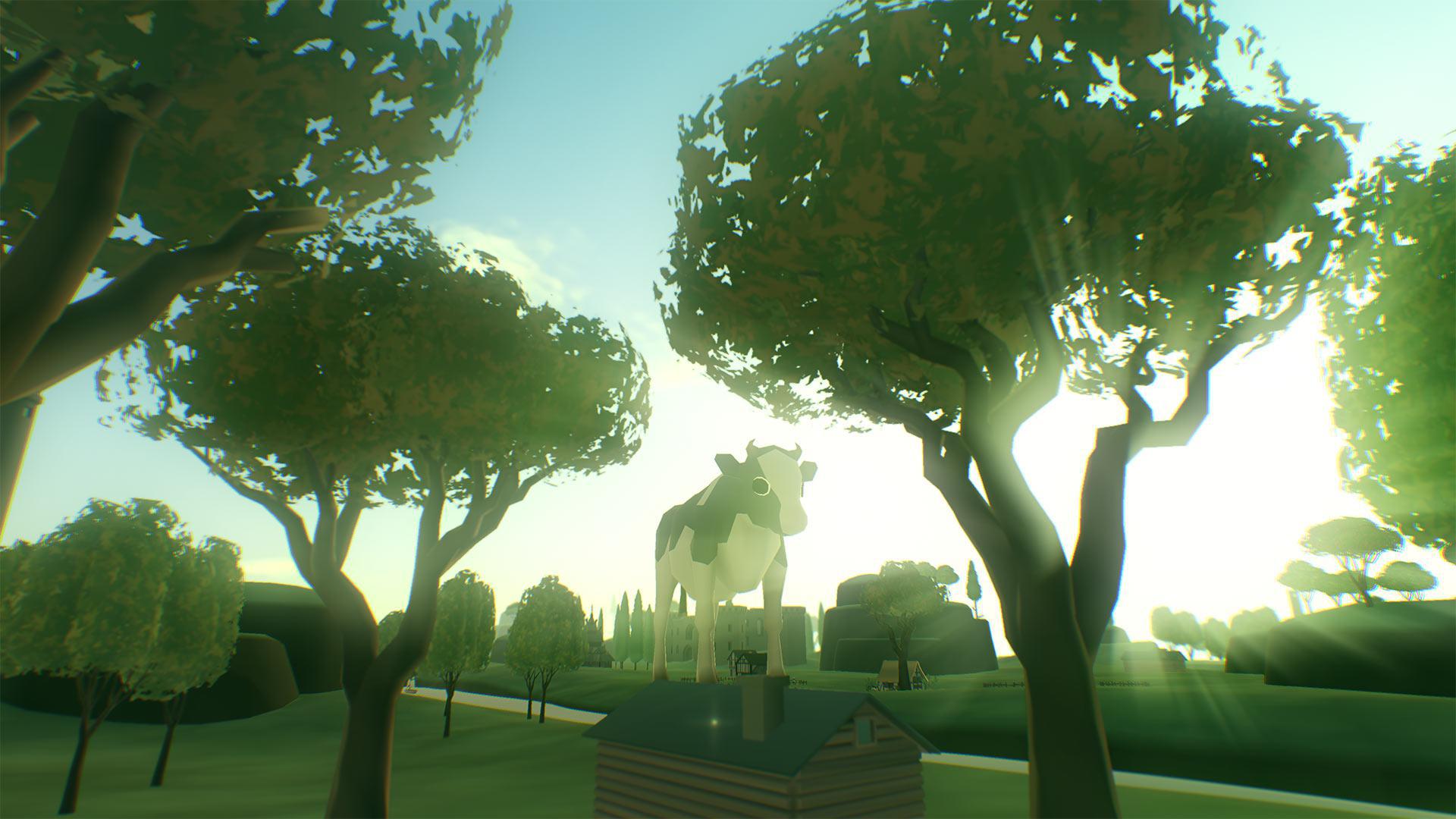
John Romero, the pioneering game developer behind genre-defining classics like Wolfenstein 3D, DOOM, and Quake, has left an indelible mark on the world of gaming. Over the decades, Romero has ventured into a wide range of projects—from spiritual successors and mobile games to ambitious online experiences. Among his most intriguing, yet seldom-discussed, ventures is Project Redwood: an ambitious educational MMO developed between 2005 and 2009 at Slipgate Ironworks and later Gazillion Entertainment. Despite four years of work, Project Redwood ultimately never reached the public.
In his 2023 memoir, Doom Guy: A Life In First Person, Romero chronicles this enigmatic title—a project he describes as "the complete opposite of DOOM." Project Redwood set out to create a rich, role-playing environment for children, taking cues from games like World of Warcraft but incorporating a safe, kid-friendly atmosphere and subtle educational components. One of the game's core goals was to make math learning engaging and help pave a smoother path toward STEM careers for young players. The team sought to "flip World of Warcraft on its head" to build a world where learning and adventure coexisted seamlessly.
Speaking at the Dark & Doomy event in Wakefield, England, Romero elaborated on Project Redwood’s innovative gameplay. The foundation of the MMO revolved around taming animals, reminiscent of classic Pokémon mechanics, but with a twist: instead of battling creatures with weapons, players used music to build trust. Different instruments layered together would create unique songs, and successfully taming an animal meant adding it to a player’s collection and unlocking loot. In Romero's words: "You’re basically doing the same thing [as traditional combat], but it just looks different."
For those preferring combat, towns besieged by robots offered opportunities for traditional battles using weapons, armor, and shields—rewarding players with experience points. However, most of the educational elements were more subtly woven into the game’s framework. Math challenges were embedded in puzzles and were further integrated through a special guild accessible to determined players. "When playing, it felt just like World of Warcraft," Romero recalled, "but you didn’t feel like you were in school or doing education. Math was hidden in guild quests, and completing these offered the coolest gear in the game." Romero believed that by encouraging social interaction—where players would inquire among themselves about each other's impressive equipment—children would be organically drawn toward educational content without feeling pressured.
Ultimately, despite its alluring vision and high production values, Project Redwood was derailed by technical limitations. The third-party engine licensed for the project could not support the scale required for such an expansive MMO, causing insurmountable delays. After enlisting a specialized technical director and a thorough evaluation, the team concluded that fixing the software would take at least a year, with even more extensive delays anticipated for a complete engine switch. These challenges proved too risky for investors, leading to the project’s discontinuation.
Although a brief gameplay video was uploaded by Romero in 2011, it has since been removed from public view, with only a few early character animations remaining online. At the Wakefield event, Romero indicated that releasing a playable version of Project Redwood is highly unlikely due to server infrastructure hurdles but expressed hope that he might share additional development footage "down the road," noting that he still possesses "dozens and dozens of in-development videos."
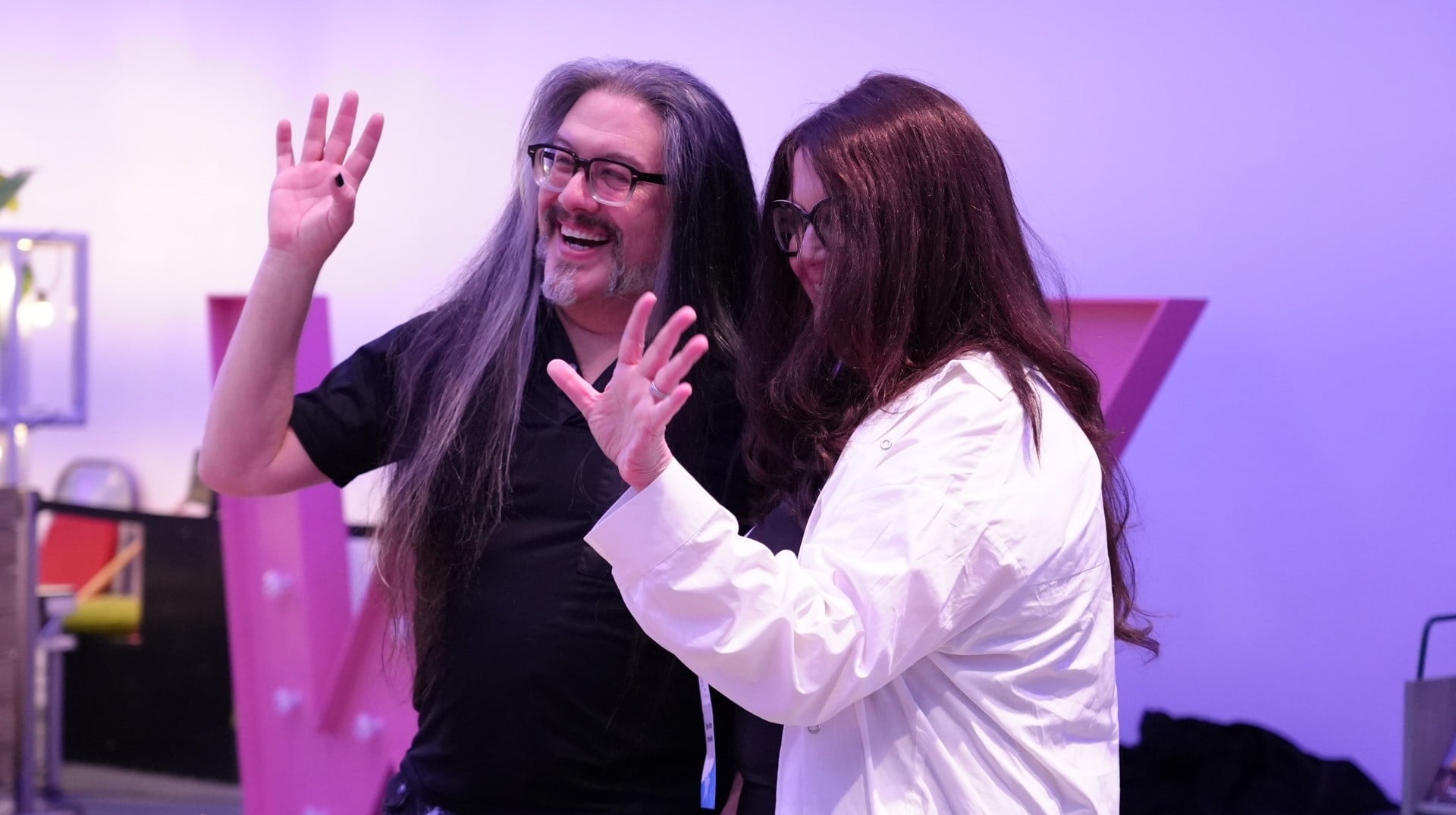
Today, John Romero leads Romero Games alongside Brenda Romero, continuing to leave an impact on the industry. The studio is currently working on a new first-person shooter, underscoring Romero’s enduring presence and innovation in game development. Project Redwood remains a fascinating example of how educational gaming ambitions sometimes outpace the available technology—but also a testament to the powerful potential games hold for teaching and inspiring the next generation of players.
John Romero's Canceled Educational MMO: Inside Project Redwood's Ambitious Vision
Nintendo News Hub
Game Pages Mentioned In This Article
Use these Nintendo Switch game pages to keep exploring the titles connected to this story, including related genres, developers, screenshots, and more coverage.
Source: TimeExtension