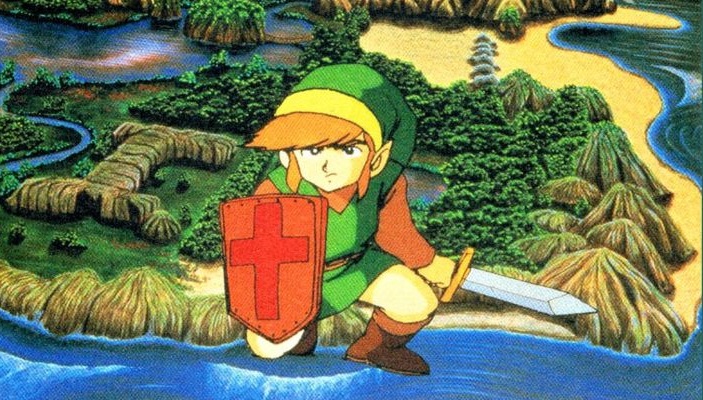
The Legend of Zelda: Ocarina of Time remains one of Nintendo's most celebrated titles, first released for the Nintendo 64 in 1998 and later remade for the Nintendo 3DS by developer Grezzo in 2011.
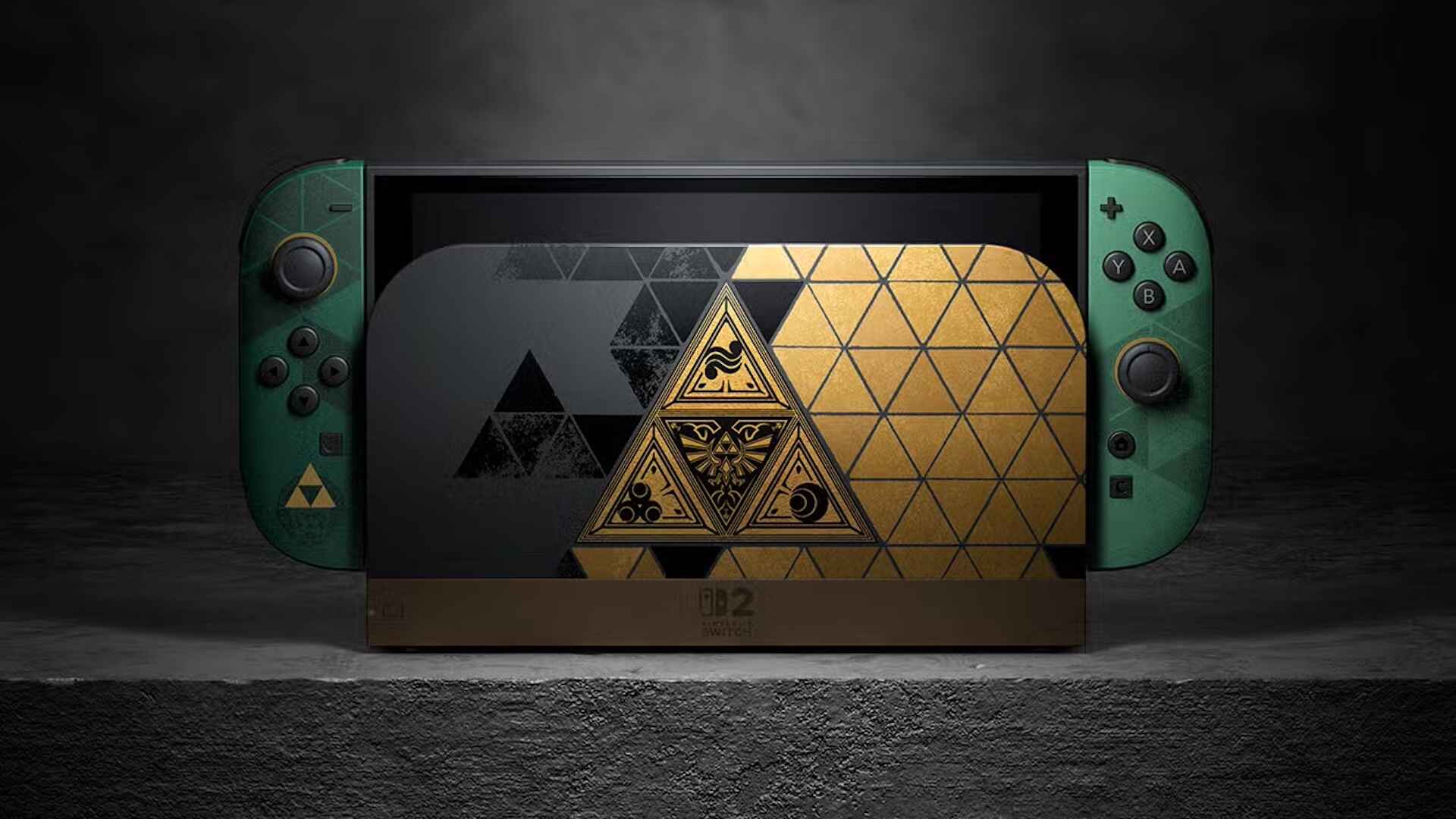
A modern remake for Nintendo's next-generation hardware has drawn technical scrutiny from Digital Foundry, the specialist outlet known for in-depth frame-rate and resolution analysis.
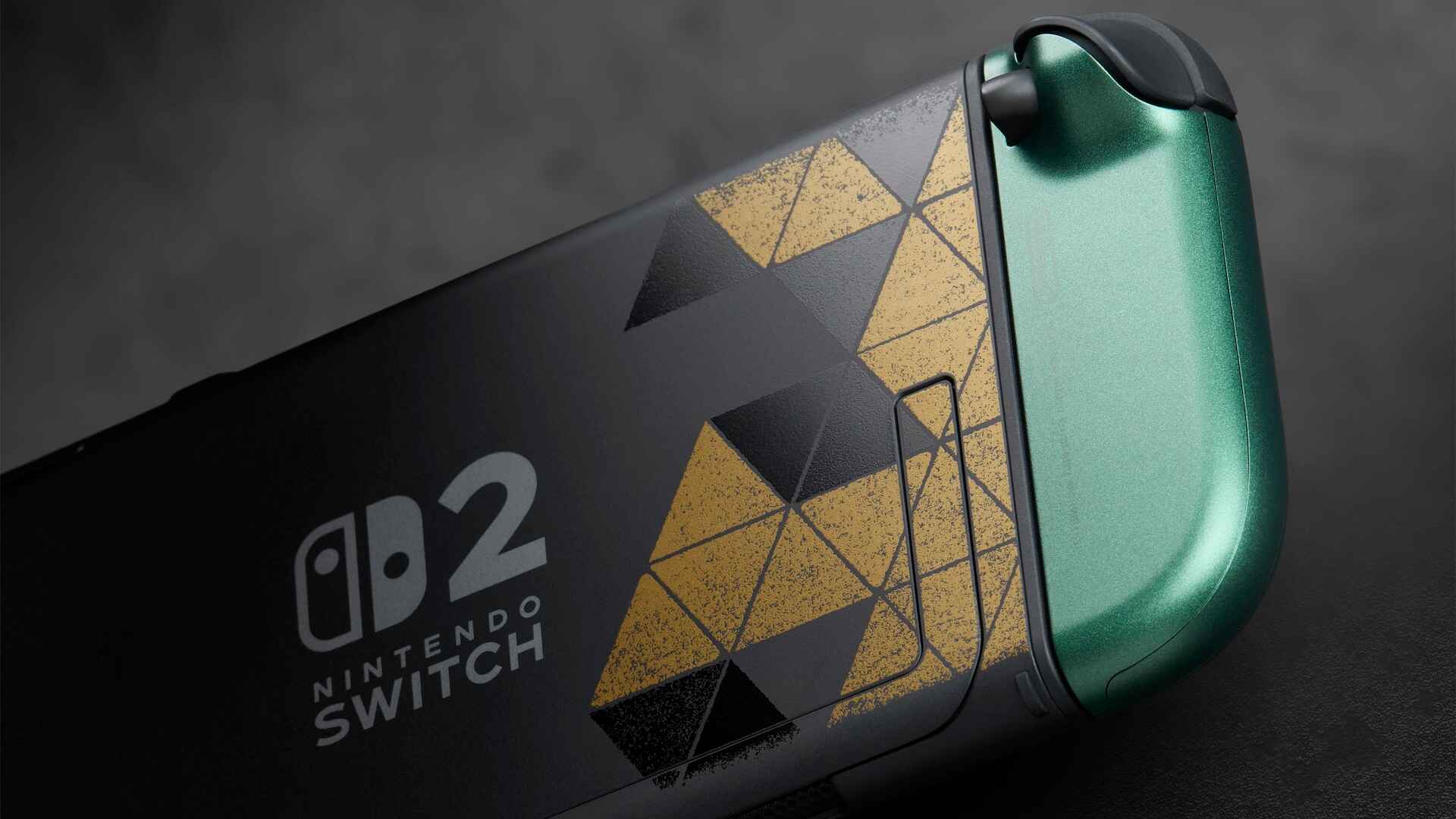
Their findings give an early technical snapshot of how the project performs on Nintendo Switch 2 hardware.
Digital Foundry reports that the Ocarina of Time remake runs at native 1080p and targets a steady 60 frames per second on Nintendo Switch 2.
The outlet highlighted consistent 60fps performance as a focal point of the build, noting that the experience appears optimized for smooth play on the platform.
Digital Foundry also confirmed the title does not implement NVIDIA's DLSS upscaling; the outlet stated that adding DLSS could have produced a notable improvement in image quality for the title.
In its write-up, Digital Foundry's Oliver Mackenzie characterized the game's rendering solution as either an internal, Nintendo-built system or a partner engine.
Mackenzie suggested that Monolith Soft — the Nintendo subsidiary best known for the Xenoblade Chronicles series and acquired by Nintendo in 2007 — is among the likely external partners who could supply middleware or development support for a remake of this scale.
Presented as analysis rather than official confirmation, that assessment ties the remake's visual approach to studios with experience shipping large-scale, high-performance titles on Nintendo platforms.
These technical observations come against the broader context of Nintendo's release and marketing practices.
Nintendo frequently announces major first-party releases through Nintendo Direct presentations and distributes digital versions on the Nintendo eShop.
The original Ocarina of Time's legacy and the 3DS remake by Grezzo both illustrate Nintendo's history of revisiting classic titles for newer hardware.
Digital Foundry's report offers developers and players an early, verifiable look at the remake's technical profile on Nintendo Switch 2: native 1080p resolution, a steady 60fps target, no DLSS upscaling, and a rendering solution that may involve either Nintendo's internal tools or a partner studio such as Monolith Soft.
For readers tracking hardware capabilities and high-profile Nintendo releases, the analysis is a useful reference point for how the new platform handles a modernized classic.
A modern remake for Nintendo's next-generation hardware has drawn technical scrutiny from Digital Foundry, the specialist outlet known for in-depth frame-rate and resolution analysis.
Their findings give an early technical snapshot of how the project performs on Nintendo Switch 2 hardware.
Digital Foundry reports that the Ocarina of Time remake runs at native 1080p and targets a steady 60 frames per second on Nintendo Switch 2.
The outlet highlighted consistent 60fps performance as a focal point of the build, noting that the experience appears optimized for smooth play on the platform.
Digital Foundry also confirmed the title does not implement NVIDIA's DLSS upscaling; the outlet stated that adding DLSS could have produced a notable improvement in image quality for the title.
In its write-up, Digital Foundry's Oliver Mackenzie characterized the game's rendering solution as either an internal, Nintendo-built system or a partner engine.
Mackenzie suggested that Monolith Soft — the Nintendo subsidiary best known for the Xenoblade Chronicles series and acquired by Nintendo in 2007 — is among the likely external partners who could supply middleware or development support for a remake of this scale.
Presented as analysis rather than official confirmation, that assessment ties the remake's visual approach to studios with experience shipping large-scale, high-performance titles on Nintendo platforms.
These technical observations come against the broader context of Nintendo's release and marketing practices.
Nintendo frequently announces major first-party releases through Nintendo Direct presentations and distributes digital versions on the Nintendo eShop.
The original Ocarina of Time's legacy and the 3DS remake by Grezzo both illustrate Nintendo's history of revisiting classic titles for newer hardware.
Digital Foundry's report offers developers and players an early, verifiable look at the remake's technical profile on Nintendo Switch 2: native 1080p resolution, a steady 60fps target, no DLSS upscaling, and a rendering solution that may involve either Nintendo's internal tools or a partner studio such as Monolith Soft.
For readers tracking hardware capabilities and high-profile Nintendo releases, the analysis is a useful reference point for how the new platform handles a modernized classic.