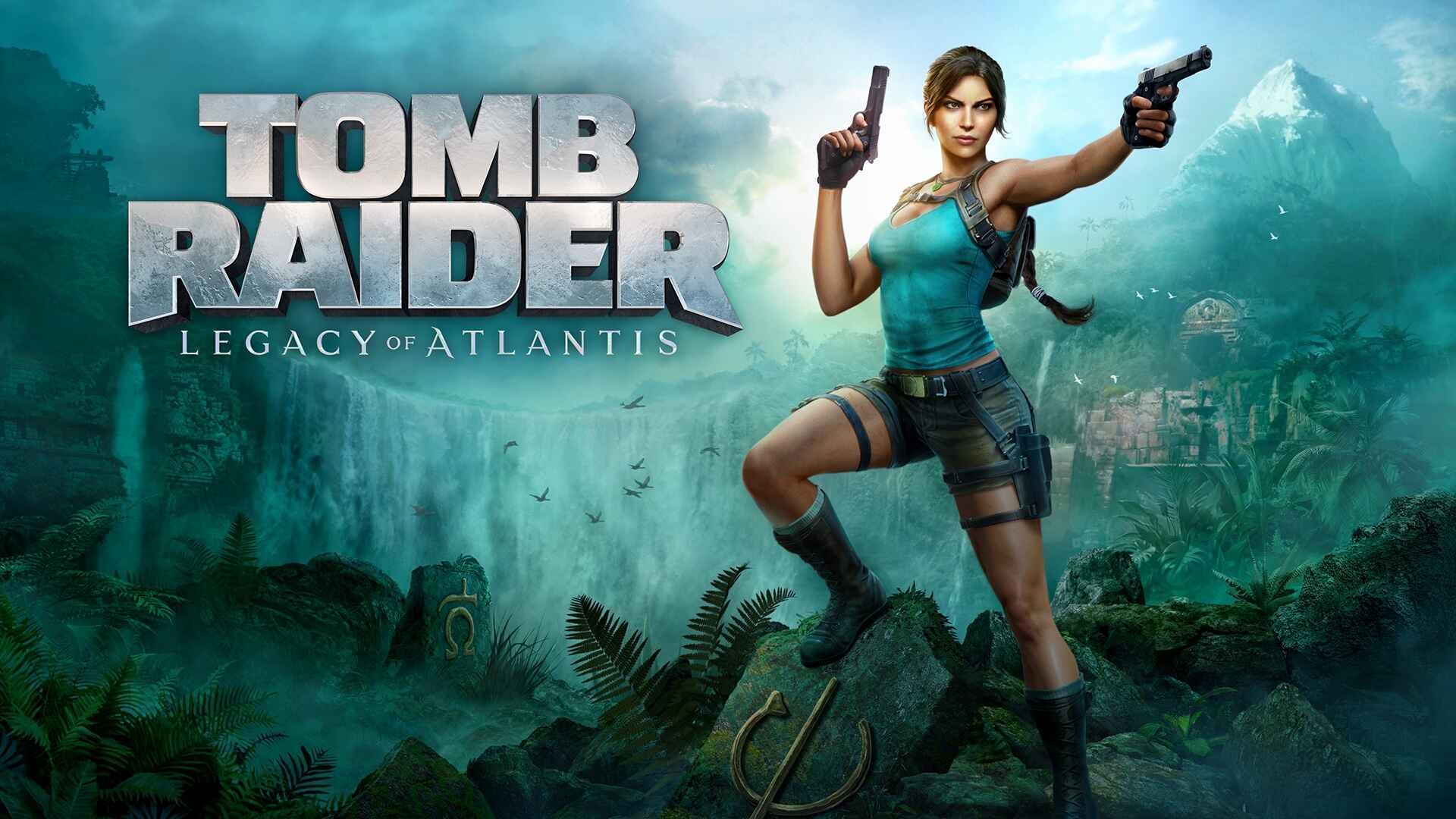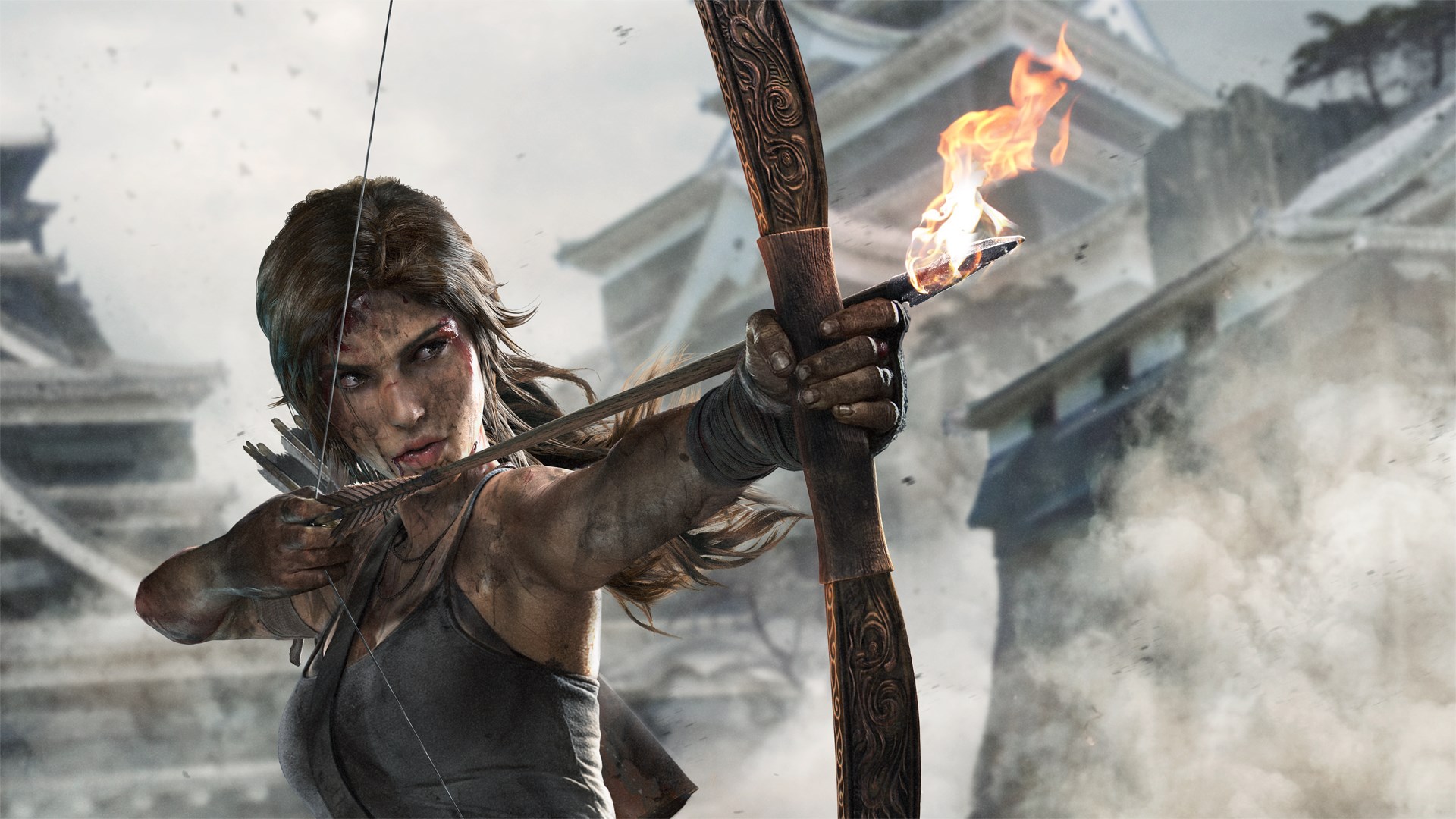
Tomb Raider: Definitive Edition has recently landed on Nintendo Switch and Nintendo Switch 2, delivering Lara Croft's origin story to a new generation of handheld hardware.
Developed by Aspyr in collaboration with original series developer Crystal Dynamics, the port brings together content from the acclaimed 2013 reboot along with its post-launch enhancements and DLC.
However, the port's release has drawn critical attention, particularly from the technical analysis experts at Digital Foundry, who have identified significant compromises in the translation to Nintendo’s latest hardware.
Digital Foundry, known for its in-depth assessments of performance and visual quality across gaming platforms, reports that the Tomb Raider: Definitive Edition port managed by Aspyr falls short of expectations for the Nintendo Switch 2.
The team’s analysis describes the port as notably lacking, remarking that the Nintendo Switch 2 version is especially "disappointing in terms of visuals." According to their findings, the newer hardware’s version strips away numerous features present even in the original PlayStation 3 release—which did not benefit from the enhancements of the 'Definitive' edition.
The review notes that it appears Aspyr initially focused its development efforts on the base Nintendo Switch version, with the Nintendo Switch 2 release only receiving incremental enhancements rather than a full suite of next-gen features.
This development approach led to the retention of many visual and performance compromises, which is particularly striking considering the capabilities of the new Nintendo Switch 2 hardware.
Digital Foundry emphasizes that "the reductions and feature omissions are understandable on the original Switch due to hardware limitations, but are difficult to justify on a much more powerful, newly-launched system."
Tomb Raider: Definitive Edition originally launched to critical acclaim, praised for its gripping narrative and visual fidelity on platforms such as PlayStation 4, Xbox One, and PC.
The anticipation for the Nintendo Switch and Switch 2 ports was fueled by the prospect of experiencing Lara Croft's journey with the convenience of portable play and the potential of an updated system.
Aspyr’s port includes all major content from the Definitive Edition, but the technical downgrades—highlighted by reduced texture quality, resolution, and omitted environmental effects—have overshadowed its release, especially among fans seeking the definitive handheld Tomb Raider experience.
This latest analysis adds to Aspyr’s recent history of delivering legacy AAA ports to modern platforms via the Nintendo eShop, including Star Wars: Knights of the Old Republic and Jedi Knight series.
Developer Crystal Dynamics, who was credited for revitalizing the Tomb Raider franchise, has not directly commented on the port’s shortcomings.
As the gaming community looks ahead to potential ports of Rise of the Tomb Raider and Shadow of the Tomb Raider for Nintendo's platforms, both developers and players will be hoping for conversions that stay truer to the original vision and take full advantage of the hardware advancements.
Tomb Raider: Definitive Edition is now available on Nintendo Switch and Nintendo Switch 2 via the Nintendo eShop.
For readers seeking an in-depth breakdown of the port's technical performance, Digital Foundry’s complete video analysis is available on their official channel.
Developed by Aspyr in collaboration with original series developer Crystal Dynamics, the port brings together content from the acclaimed 2013 reboot along with its post-launch enhancements and DLC.
However, the port's release has drawn critical attention, particularly from the technical analysis experts at Digital Foundry, who have identified significant compromises in the translation to Nintendo’s latest hardware.
Digital Foundry, known for its in-depth assessments of performance and visual quality across gaming platforms, reports that the Tomb Raider: Definitive Edition port managed by Aspyr falls short of expectations for the Nintendo Switch 2.
The team’s analysis describes the port as notably lacking, remarking that the Nintendo Switch 2 version is especially "disappointing in terms of visuals." According to their findings, the newer hardware’s version strips away numerous features present even in the original PlayStation 3 release—which did not benefit from the enhancements of the 'Definitive' edition.
The review notes that it appears Aspyr initially focused its development efforts on the base Nintendo Switch version, with the Nintendo Switch 2 release only receiving incremental enhancements rather than a full suite of next-gen features.
This development approach led to the retention of many visual and performance compromises, which is particularly striking considering the capabilities of the new Nintendo Switch 2 hardware.
Digital Foundry emphasizes that "the reductions and feature omissions are understandable on the original Switch due to hardware limitations, but are difficult to justify on a much more powerful, newly-launched system."
Tomb Raider: Definitive Edition originally launched to critical acclaim, praised for its gripping narrative and visual fidelity on platforms such as PlayStation 4, Xbox One, and PC.
The anticipation for the Nintendo Switch and Switch 2 ports was fueled by the prospect of experiencing Lara Croft's journey with the convenience of portable play and the potential of an updated system.
Aspyr’s port includes all major content from the Definitive Edition, but the technical downgrades—highlighted by reduced texture quality, resolution, and omitted environmental effects—have overshadowed its release, especially among fans seeking the definitive handheld Tomb Raider experience.
This latest analysis adds to Aspyr’s recent history of delivering legacy AAA ports to modern platforms via the Nintendo eShop, including Star Wars: Knights of the Old Republic and Jedi Knight series.
Developer Crystal Dynamics, who was credited for revitalizing the Tomb Raider franchise, has not directly commented on the port’s shortcomings.
As the gaming community looks ahead to potential ports of Rise of the Tomb Raider and Shadow of the Tomb Raider for Nintendo's platforms, both developers and players will be hoping for conversions that stay truer to the original vision and take full advantage of the hardware advancements.
Tomb Raider: Definitive Edition is now available on Nintendo Switch and Nintendo Switch 2 via the Nintendo eShop.
For readers seeking an in-depth breakdown of the port's technical performance, Digital Foundry’s complete video analysis is available on their official channel.