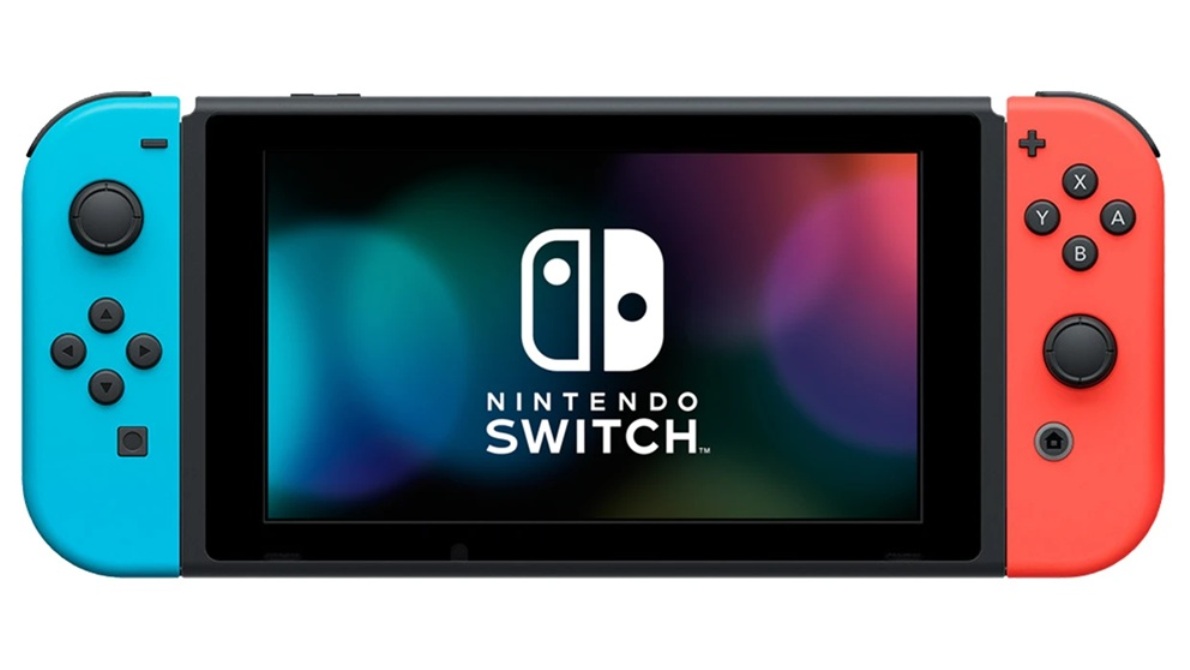

Nintendo has won a major legal victory in its ongoing enforcement against piracy involving the Nintendo Switch. In a default judgment issued by the U.S. District Court for the Western District of Washington, a judge awarded Nintendo $4.5 million in damages against James C. Williams, who has operated online under the handle "Archbox." The lawsuit, filed in June 2024, accused Williams of operating multiple piracy storefronts and distributing pirated Switch games and piracy-assisting tools.
Court filings show that Judge Lauren King entered default judgment after Williams failed to respond to the lawsuit over more than two years. The court's order also includes a permanent injunction that bars Williams from selling pirated Nintendo Switch games, distributing software that facilitates piracy, or offering modded consoles. The injunction further requires him to close any online shops, social media accounts, and Discord servers used to advertise or distribute infringing materials.
Nintendo pursued the case through the law firm Mitchell Silberberg & Knupp. In its complaint, the company identified a set of 30 representative titles allegedly distributed by Williams; among those cited was The Legend of Zelda: Tears of the Kingdom, which released for Nintendo Switch on May 12, 2023. Nintendo's filing stated that Williams had "engaged in the infringing and unlawful reproduction and distribution of hundreds, or thousands, of copyrighted Nintendo Switch Games," while noting that it limited damages calculations to a subset of titles for clarity in court.
Rewriting key court language in journalistic terms: the judge's order made clear that Williams defaulted by not responding, leading the court to enter judgment against him and to permanently enjoin him from continuing piracy-related activities. Nintendo additionally alleged that since 2019 Williams had operated or overseen multiple "pirate shops," promoted them to large online communities, and at times solicited donations in the form of eShop cards to support distribution efforts.
This decision underscores Nintendo's continued legal efforts to protect its intellectual property on the Nintendo Switch platform and its eShop ecosystem. The case serves as a reminder to online operators that failing to engage with litigation can result in default rulings with significant monetary awards and sweeping injunctions.
Nintendo Wins $4.5M Judgment Against Archbox in Nintendo Switch Piracy Case
Nintendo News Hub

Game Pages Mentioned In This Article
Use these Nintendo Switch game pages to keep exploring the titles connected to this story, including related genres, developers, screenshots, and more coverage.
Related Topics
Explore more articles about these topics:
Source: NintendoWire