Close to the Sun on Nintendo Switch: Storm in a Teacup’s Atmospheric Homage to BioShock
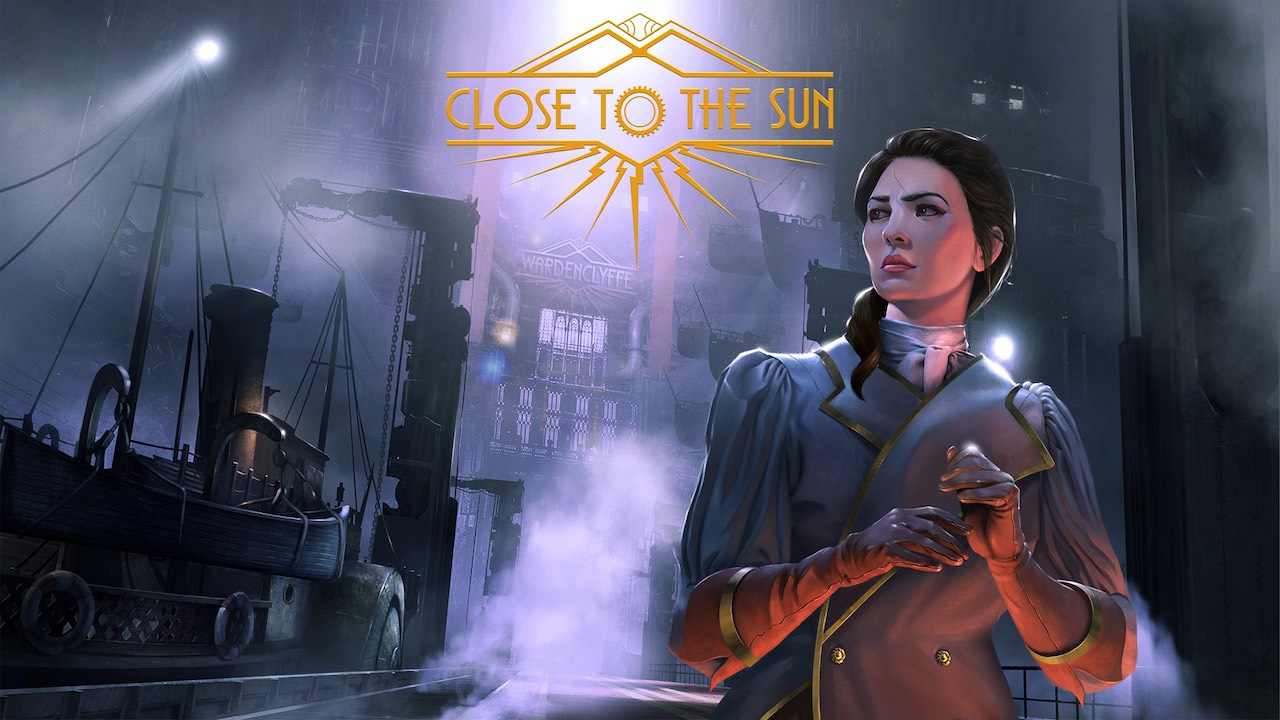
Launched on May 7, 2020 for Nintendo Switch via the Nintendo eShop, Close to the Sun invites players into an alternate history where the boundaries between science and ambition blur dangerously.
Developed by Italian indie team Storm in a Teacup and published by Wired Productions, the game draws unmistakable inspiration from gaming classics, most notably BioShock, while aiming for a fresh take on the atmospheric first-person adventure genre.
From the moment players step aboard The Helios, a massive sea-faring vessel designed as a utopian haven for the world’s greatest inventors and scientists, the influence of Ken Levine’s work is apparent.
The game’s visual design, storytelling style, and radio-based character interactions all summon the spirit of BioShock without resorting to imitation.
As CEO Carlo Ivo Alimo Bianchi of Storm in a Teacup once described, Close to the Sun is their "love letter to story-driven exploration," and the homage enriches the game experience rather than overshadowing it.
The narrative centers on protagonist Rose Archer, who arrives on The Helios in response to a cryptic letter from her sister Ada.
Upon arrival, Rose discovers that Ada doesn’t recall sending the message—hinting at strange time phenomena woven into the plot.
Set against the backdrop of a titanic rivalry between Nikola Tesla and Thomas Edison, the story adds an inventive twist to the familiar trope of utopian societies gone awry.
Exploring the ship, players will confront deranged crew members, solve puzzles, and uncover layers of intrigue that keep the atmosphere tense and immersive.
However, Close to the Sun’s gameplay prioritizes exploration and narrative, with puzzles that are generally straightforward and rarely present a significant challenge.
The design skews closer to a walking simulator, occasionally disrupted by sequences requiring Rose to evade pursuing enemies.
Some players may find navigational cues lacking and enemy encounters frustrating due to the protagonist’s clunky controls during high-tension moments.
Technically, the Nintendo Switch version impresses with its intricate environments and moody lighting—when played docked.
In handheld mode, however, the Unreal Engine-powered visuals suffer from noticeable frame rate issues and motion blur, which can diminish the overall visual fidelity and gameplay experience.
Still, the audio-visual design remains strong, reinforcing the game’s claustrophobic and haunting atmosphere.
While Close to the Sun blends elements from multiple genres, it resists simple classification.
Its most effective moments evoke a sense of dread and tension, though it stops short of fully embracing the horror genre.
Jump scares and unnerving chase sequences offer tension, yet those seeking consistent scares may find it leans more toward atmospheric adventure than outright horror.
Despite these shortcomings, Close to the Sun stands out for its ambitious world-building, memorable moments, and the eerie, oppressive sense of isolation aboard The Helios.
The game's narrative setup, combined with stylistic and thematic nods to BioShock, solidifies its place as a notable exploration of alternate history on the Nintendo Switch.
Developed by Storm in a Teacup and published by Wired Productions, Close to the Sun can be found on the Nintendo eShop.
While it delivers on atmosphere and tribute, the game ultimately provides a unique, if uneven, single-player experience for fans of story-driven adventures.
Launched on May 7, 2020 for Nintendo Switch via the Nintendo eShop, Close to the Sun invites players into an alternate history where the boundaries between science and ambition blur dangerously.
Developed by Italian indie team Storm in a Teacup and published by Wired Productions, the game draws unmistakable inspiration from gaming classics, most notably BioShock, while aiming for a fresh take on the atmospheric first-person adventure genre.
From the moment players step aboard The Helios, a massive sea-faring vessel designed as a utopian haven for the world’s greatest inventors and scientists, the influence of Ken Levine’s work is apparent.
The game’s visual design, storytelling style, and radio-based character interactions all summon the spirit of BioShock without resorting to imitation.
As CEO Carlo Ivo Alimo Bianchi of Storm in a Teacup once described, Close to the Sun is their "love letter to story-driven exploration," and the homage enriches the game experience rather than overshadowing it.
The narrative centers on protagonist Rose Archer, who arrives on The Helios in response to a cryptic letter from her sister Ada.
Upon arrival, Rose discovers that Ada doesn’t recall sending the message—hinting at strange time phenomena woven into the plot.
Set against the backdrop of a titanic rivalry between Nikola Tesla and Thomas Edison, the story adds an inventive twist to the familiar trope of utopian societies gone awry.
Exploring the ship, players will confront deranged crew members, solve puzzles, and uncover layers of intrigue that keep the atmosphere tense and immersive.
However, Close to the Sun’s gameplay prioritizes exploration and narrative, with puzzles that are generally straightforward and rarely present a significant challenge.
The design skews closer to a walking simulator, occasionally disrupted by sequences requiring Rose to evade pursuing enemies.
Some players may find navigational cues lacking and enemy encounters frustrating due to the protagonist’s clunky controls during high-tension moments.
Technically, the Nintendo Switch version impresses with its intricate environments and moody lighting—when played docked.
In handheld mode, however, the Unreal Engine-powered visuals suffer from noticeable frame rate issues and motion blur, which can diminish the overall visual fidelity and gameplay experience.
Still, the audio-visual design remains strong, reinforcing the game’s claustrophobic and haunting atmosphere.
While Close to the Sun blends elements from multiple genres, it resists simple classification.
Its most effective moments evoke a sense of dread and tension, though it stops short of fully embracing the horror genre.
Jump scares and unnerving chase sequences offer tension, yet those seeking consistent scares may find it leans more toward atmospheric adventure than outright horror.
Despite these shortcomings, Close to the Sun stands out for its ambitious world-building, memorable moments, and the eerie, oppressive sense of isolation aboard The Helios.
The game's narrative setup, combined with stylistic and thematic nods to BioShock, solidifies its place as a notable exploration of alternate history on the Nintendo Switch.
Developed by Storm in a Teacup and published by Wired Productions, Close to the Sun can be found on the Nintendo eShop.
While it delivers on atmosphere and tribute, the game ultimately provides a unique, if uneven, single-player experience for fans of story-driven adventures.