


Metacritic review-bombing has returned to headlines as several classic games saw sudden spikes of very low user scores on the aggregation site.
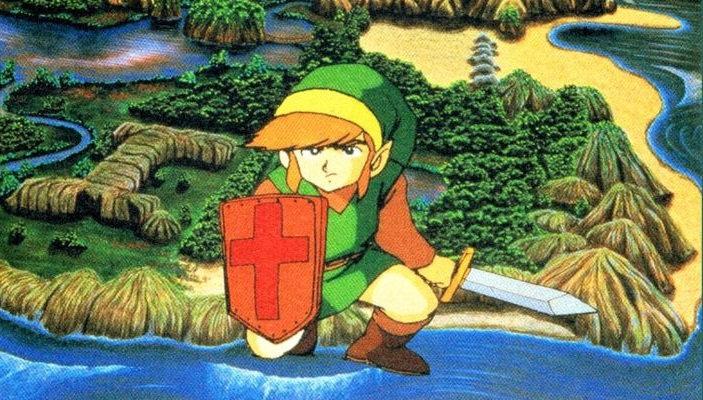
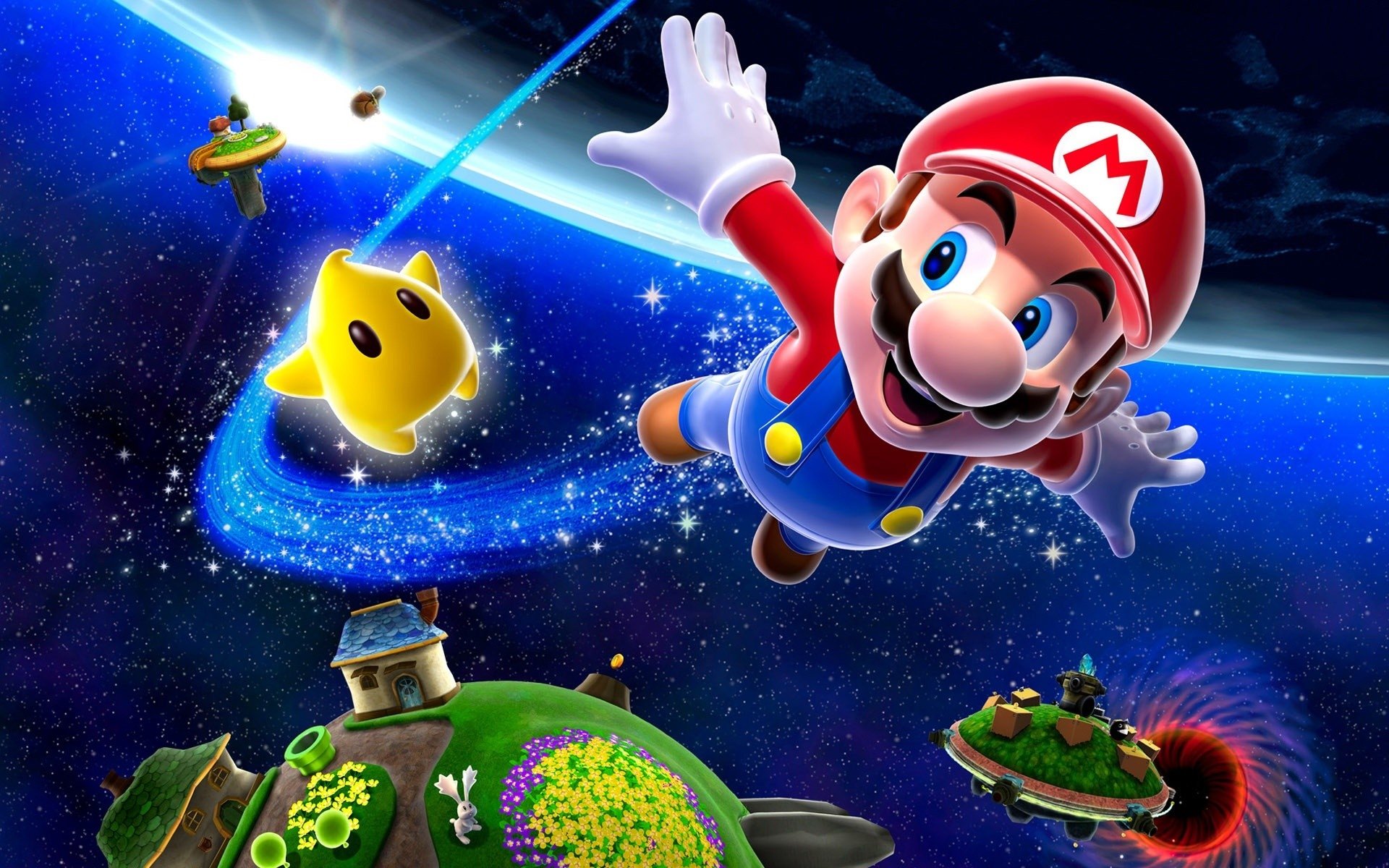
The affected titles include long-established favorites such as Namco’s Soulcalibur (originally released on Sega Dreamcast), Nintendo’s The Legend of Zelda: Ocarina of Time (Nintendo 64, 1998), and Super Mario Galaxy 2 (Wii, 2010).
The activity coincided with a period of intense online attention around Rockstar Games’ Grand Theft Auto VI.
Metacritic aggregates critic and user scores for games and other media, while platforms such as Steam also maintain user-review systems.
In recent days, registered Metacritic users posted large numbers of low scores and short one-line reviews for multiple classic entries, producing a visible downward pressure on those titles’ User Rating averages on the site.
Observers tracking the changes noted that some of the one-line reviews bore little relation to the games themselves.
Rewriting notable commentary into journalistic language: several commentators described the pattern as a coordinated effort to influence aggregate user averages, and cautioned that such campaigns reduce the trustworthiness of user scores.
One widely circulated assessment framed the surge of low ratings as “tedious” activity that ultimately degrades the value of Metacritic’s user metric for readers and industry watchers.
Metacritic and other aggregation systems have a documented history of being used to amplify opinions or signal discontent; user scores are openly editable by registered accounts, which makes them susceptible to coordinated campaigns.
Platforms have taken differing approaches to moderation and review visibility over the years, and the debate over how to weigh professional reviews versus user scores continues among developers, publishers, and journalists.
For context, the titles affected are pillars of their respective platforms: Soulcalibur debuted on Dreamcast in 1999 under Namco, The Legend of Zelda: Ocarina of Time launched on Nintendo 64 in 1998, and Super Mario Galaxy 2 released on Wii in 2010.
Rockstar Games' Grand Theft Auto series is a commercially and culturally significant franchise; its next major installment has driven substantial online discussion during its marketing cycle.
Industry observers say the practical takeaway is that aggregate user scores should be interpreted with caution.
While user reviews can provide useful player perspectives, repeated, targeted rating campaigns can distort averages and diminish the perceived reliability of those metrics.
For readers and professionals relying on user scores, cross-referencing critic reviews, in-depth coverage, and community discussion remains essential.