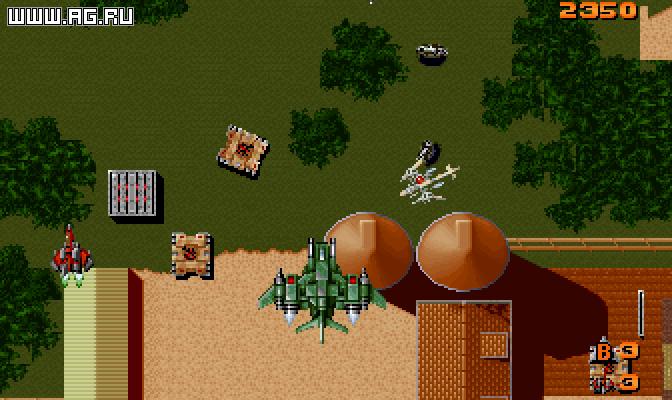
Hamster is adding Seibu Kaihatsu’s Raiden Project to its Console Archives series, releasing the classic 1995 PlayStation compilation on Nintendo Switch 2 and PlayStation 5 on October 22, 2026.
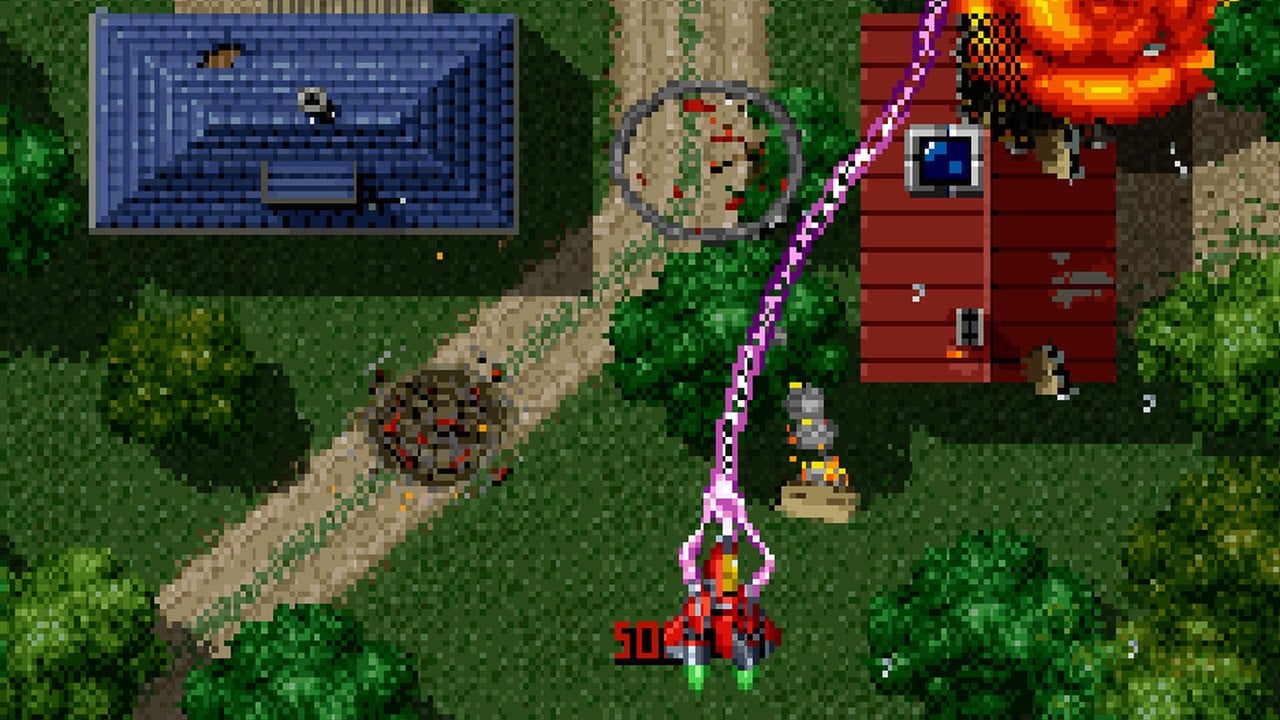
Priced at $11.99, the reissue packages the PlayStation-era versions of Raiden (1990) and Raiden II (1993) with modern convenience options such as customizable button layouts, rapid-fire settings, multiple save points and additional screen filters.
Background and legacy
Raiden Project first appeared in 1995 as a PlayStation port that compiled two of Seibu Kaihatsu’s best-known arcade shooters: the original Raiden (1990) and Raiden II (1993).
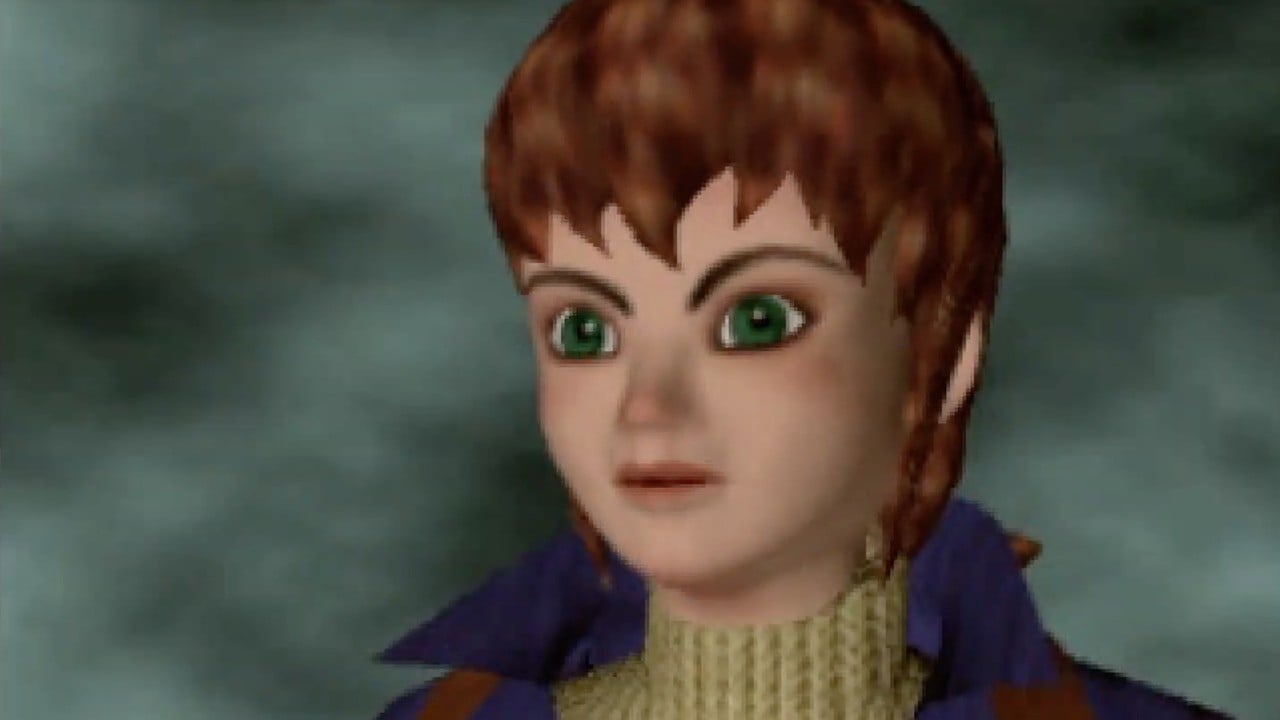
The PlayStation release included a new 3D introductory cutscene, a horizontal play mode to preserve the original arcade aspect ratio, multiple difficulty settings and a choice between the original arcade soundtrack and a rearranged score.
Both Raiden and Raiden II earned recognition in arcades as vertical-scrolling shooters and remain influential entries in the shoot ’em up genre.
Development notes and interview details
In a recent conversation with developer Richard Honeywood — who was part of a small team at Seibu Kaihatsu that worked on the PlayStation release — Honeywood said that Sony Music approached Seibu Kaihatsu to propose the PlayStation port.
He also recounted an early meeting anecdote involving company figure Hitoshi Hamada’s noted dislike for beards, and confirmed that the project’s funding was supplemented in part by profits from other commercial titles the developer produced at the time.
Hamster’s Console Archives edition
As with many releases in Hamster’s Console Archives lineup, the version being offered is the original Japanese-language edition of Raiden Project.
Given the action-focused, low-text nature of the title, language differences are unlikely to affect play for most users.
Hamster’s official description frames Raiden Project as a single-package experience that lets players pilot the “Raiden” fighter-bomber through alien invasion scenarios across both included games.
Availability
Raiden Project for Nintendo Switch 2 and PS5 arrives on October 22, 2026, for $11.99.
The release continues Hamster’s recent run of reissues that bring 1990s console and arcade classics to current-generation hardware through its Console Archives program.