
In the bustling landscape of 1990s video game hardware, few products distinguished themselves quite like the Sega Multi-Mega.
Released in 1994, this innovative all-in-one system combined the functionality of the Sega Mega Drive and the Mega CD, challenging conventions at a time when the industry was on the cusp of transitioning to more advanced 32-bit consoles such as the Sega Saturn and Sony PlayStation.
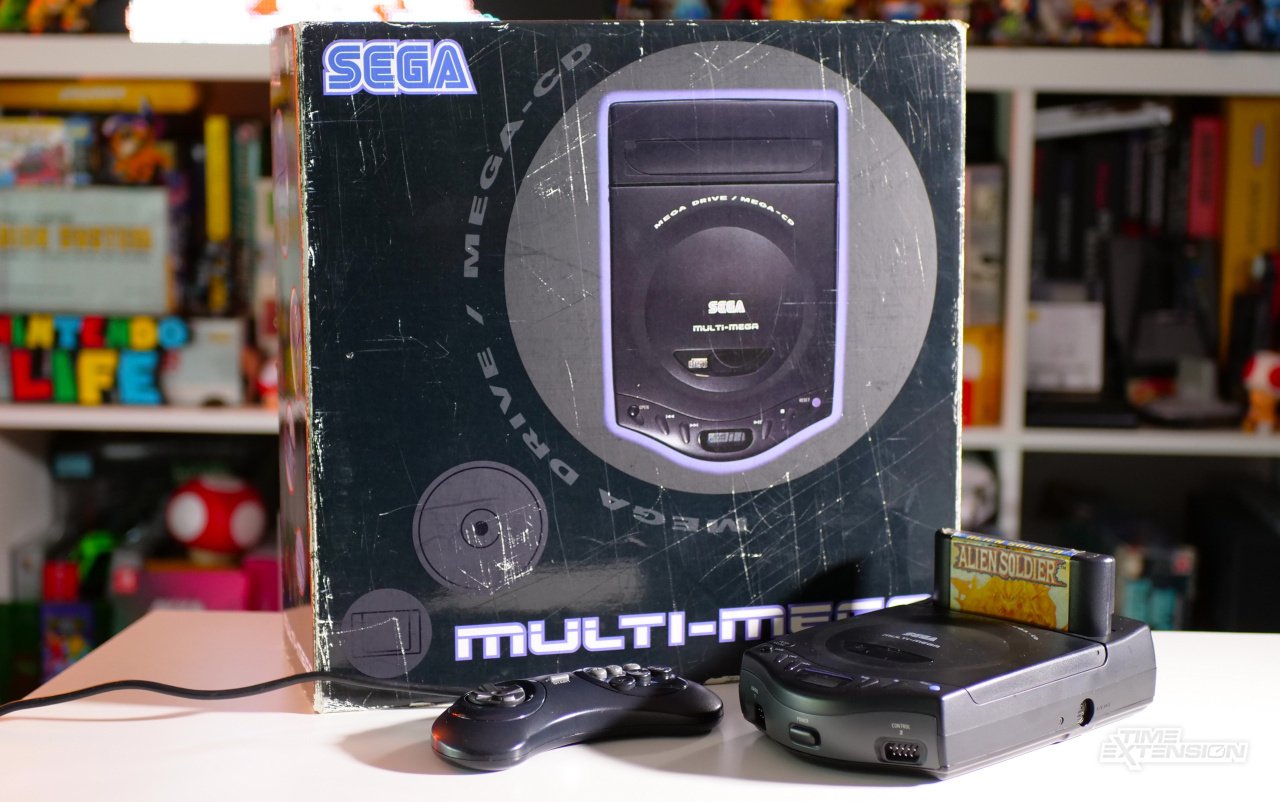
The Multi-Mega—branded as the Sega CD-X in the United States—captured the attention of gaming enthusiasts with its compact, CD player-inspired design and the novel ability to play both cartridge and CD-based titles.
Featuring a retail price tag of $399.99 (or £399.99 in the UK), the Multi-Mega was considered a premium offering.
This substantial cost, matched with the imminent release of next-generation consoles in Japan by the end of 1994, made ownership a luxury reserved for the most dedicated Sega fans or those seeking a unique hardware collectible.
Despite its steep price, the Sega Multi-Mega retained a strong appeal among collectors and retro gaming aficionados.
Its small form factor, blending seamlessly into modern AV setups, and the ability to operate as a functional standalone CD player, lent it a versatility rarely seen in gaming hardware of its era.
Users who later acquired the system, sometimes decades after its launch, often found themselves facing high demand and rising prices on the secondary market—a testament to its enduring allure within the gaming community.
Collectors in recent years, like those who sourced complete-in-box models from specialist UK retailers, commonly enhance their Multi-Mega units through hardware modifications.
These upgrades, performed by experts such as Simon Lock, allow the system to play titles from multiple regions and output video at 60Hz, considerably widening its software compatibility and performance for modern displays.
As a result, the Multi-Mega, paired with devices like flash cartridges, becomes a comprehensive platform for experiencing nearly the entire Mega Drive and Mega CD libraries.
Looking back, the Sega Multi-Mega stands as a striking example of mid-90s innovation and style.
While it carries a hefty price on today’s collectors' market, its combination of design elegance, technical ingenuity, and historical significance, ensures its place as one of Sega’s most memorable creations.
For those who continue to seek out this rare hybrid, the Multi-Mega remains a symbol of the bold ambitions that shaped an unforgettable era in console history.
Released in 1994, this innovative all-in-one system combined the functionality of the Sega Mega Drive and the Mega CD, challenging conventions at a time when the industry was on the cusp of transitioning to more advanced 32-bit consoles such as the Sega Saturn and Sony PlayStation.
The Multi-Mega—branded as the Sega CD-X in the United States—captured the attention of gaming enthusiasts with its compact, CD player-inspired design and the novel ability to play both cartridge and CD-based titles.
Featuring a retail price tag of $399.99 (or £399.99 in the UK), the Multi-Mega was considered a premium offering.
This substantial cost, matched with the imminent release of next-generation consoles in Japan by the end of 1994, made ownership a luxury reserved for the most dedicated Sega fans or those seeking a unique hardware collectible.
Despite its steep price, the Sega Multi-Mega retained a strong appeal among collectors and retro gaming aficionados.
Its small form factor, blending seamlessly into modern AV setups, and the ability to operate as a functional standalone CD player, lent it a versatility rarely seen in gaming hardware of its era.
Users who later acquired the system, sometimes decades after its launch, often found themselves facing high demand and rising prices on the secondary market—a testament to its enduring allure within the gaming community.
Collectors in recent years, like those who sourced complete-in-box models from specialist UK retailers, commonly enhance their Multi-Mega units through hardware modifications.
These upgrades, performed by experts such as Simon Lock, allow the system to play titles from multiple regions and output video at 60Hz, considerably widening its software compatibility and performance for modern displays.
As a result, the Multi-Mega, paired with devices like flash cartridges, becomes a comprehensive platform for experiencing nearly the entire Mega Drive and Mega CD libraries.
Looking back, the Sega Multi-Mega stands as a striking example of mid-90s innovation and style.
While it carries a hefty price on today’s collectors' market, its combination of design elegance, technical ingenuity, and historical significance, ensures its place as one of Sega’s most memorable creations.
For those who continue to seek out this rare hybrid, the Multi-Mega remains a symbol of the bold ambitions that shaped an unforgettable era in console history.