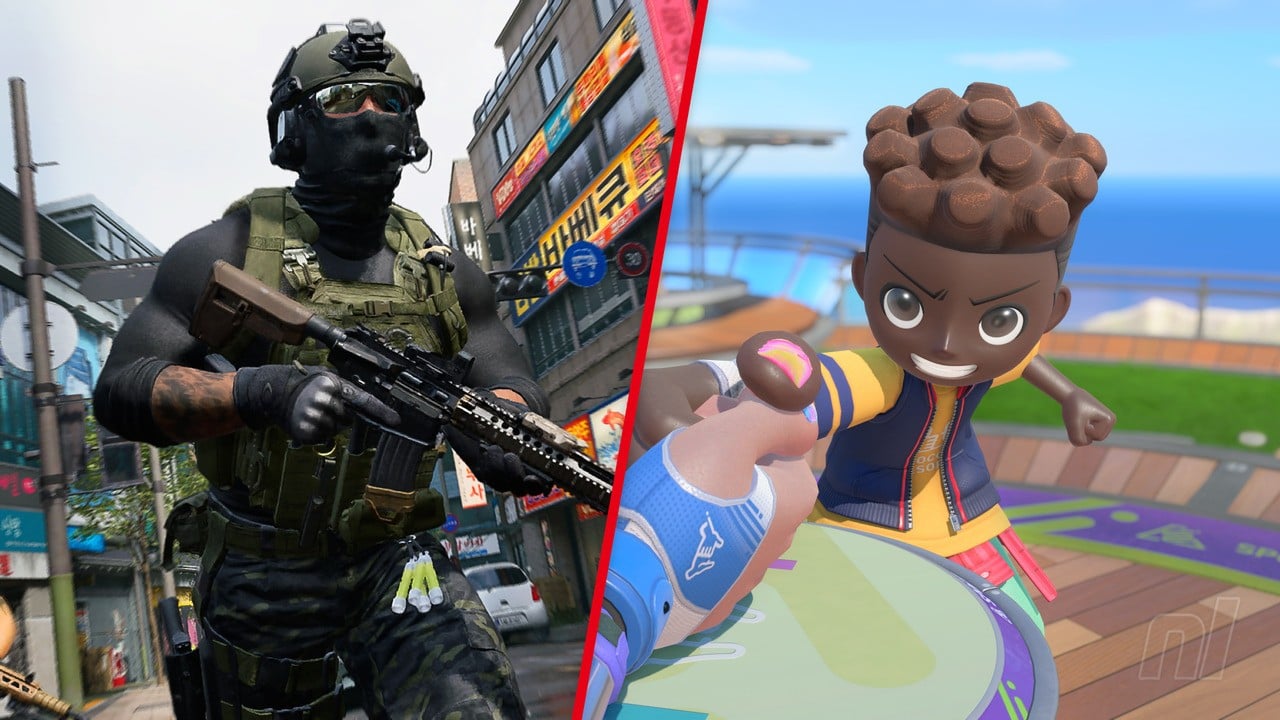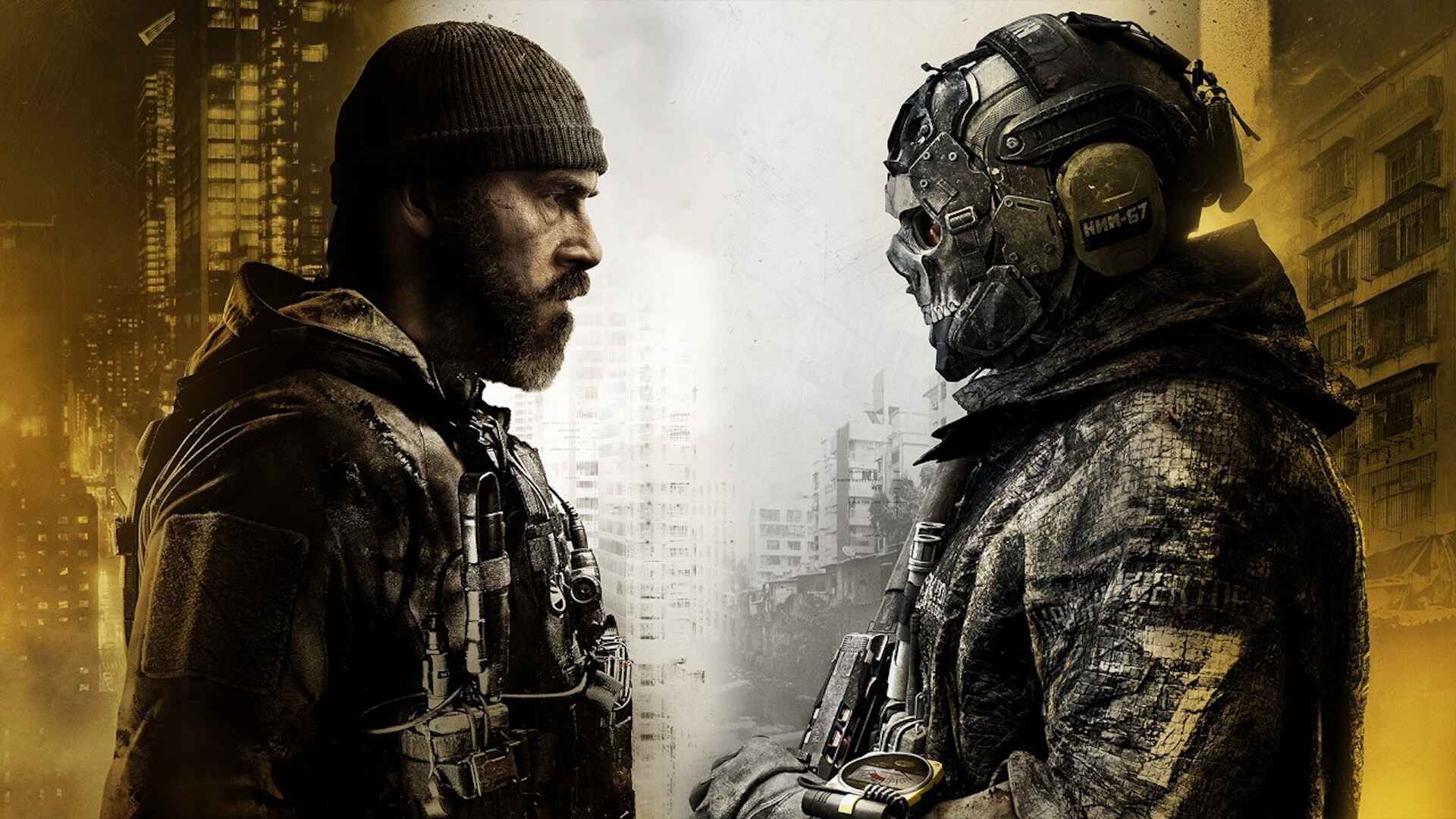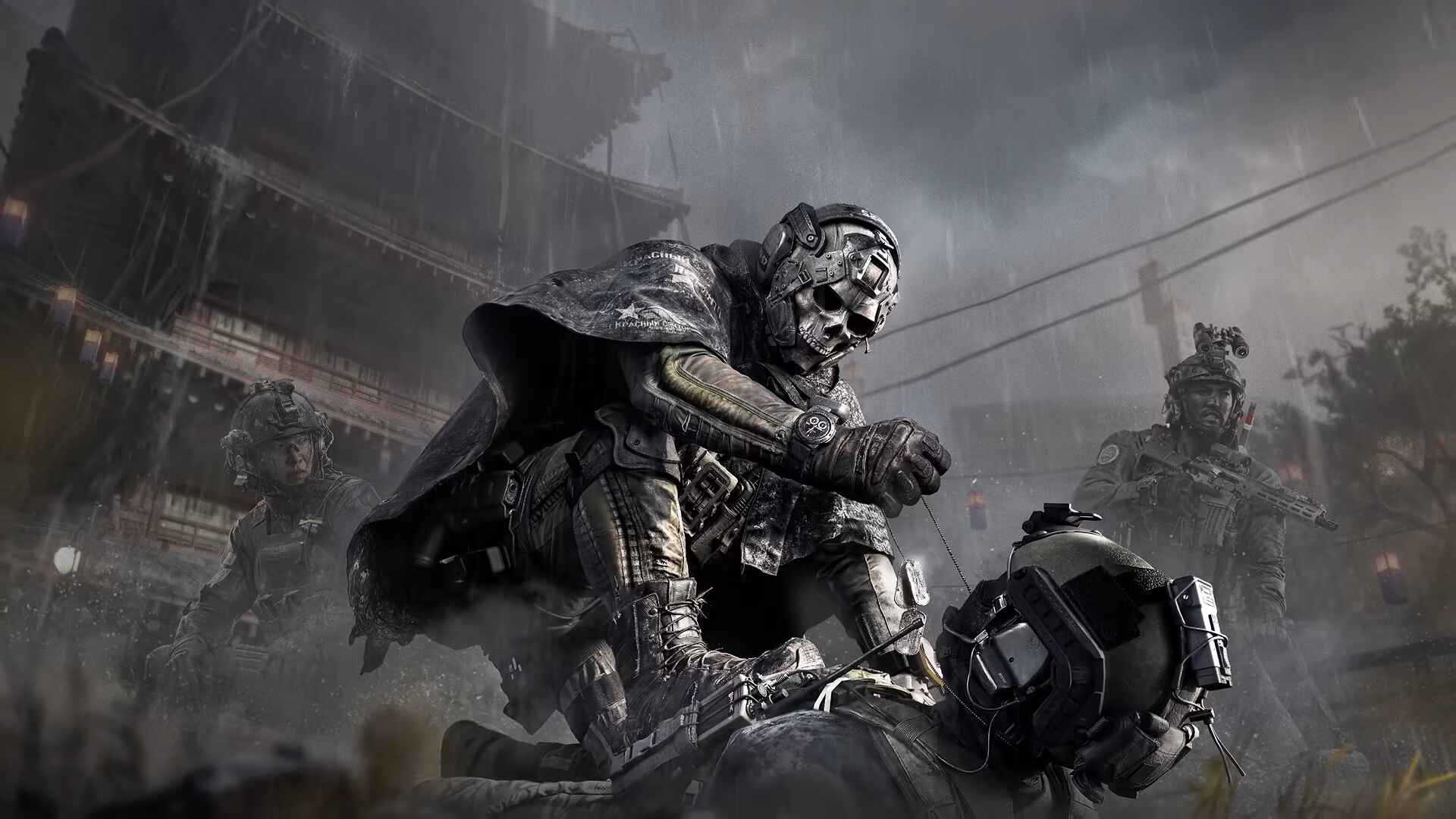
Call of Duty: Modern Warfare 4 has arrived on the Nintendo Switch 2, and Digital Foundry’s technical teardown provides the clearest look yet at how the franchise performs on Nintendo’s next-generation hardware.
Activision has publicly signaled strong support for the franchise on Nintendo platforms, and the Switch 2 port demonstrates a focused effort to translate a high-end Call of Duty experience to portable-capable hardware with notable compromises and targeted optimizations.
Digital Foundry’s analysis shows the Switch 2 build is a smaller install than the PS5 equivalent — approximately 88GB versus 120GB on PS5 — and includes several of the new rendering techniques the series uses, such as ray-marched smoke simulation and new rasterized global illumination approaches.
At the same time, the port makes deliberate trade-offs to balance performance and fidelity.
Rewritten publisher quote
Activision has described Nintendo as fully committed to bringing Call of Duty to the Switch 2, emphasizing the publisher’s and platform partner’s investment in the franchise on Nintendo hardware.
Key technical findings from Digital Foundry (summary)
- Install size: ~88GB on Switch 2 compared with ~120GB on PS5.
- Rendering: Ray-marched smoke and new rasterized GI techniques are present on Switch 2.
- Performance targets: single-player campaign targets 30 FPS; multiplayer targets 60 FPS.
- DMZ mode: targets around 40 FPS when using a 120 Hz display.
- Opening sequence: some hitching observed on Switch 2; similar minor hitches occur on other platforms.
- Gameplay fidelity: interactive smoke volumes, glass destruction, wall projections, and NPC density in missions (e.g., NYC) are retained.
- Anti-aliasing options: multiple choices included.
The in-house AA option is the default.
- DLSS mode: docked dynamic 900p with drops to as low as 450p in the worst cases; improves detail retention in motion and noisy areas but produces a softer overall image.
- SMAA mode: offers a similar resolution range but resolves to a higher 1080p target; struggles more with noisy transparency areas compared with DLSS.
- Handheld performance: dynamic 720p targets with lows down to 360p reported.
No major visual differences reported between docked and handheld beyond resolution.
- Removed or reduced effects: bump mapping and screen-space reflections are removed; self-shadowing is disabled in the campaign (partially restored in multiplayer at reduced resolution); reduced transparency effects and lower grass density in some missions.
- LOD and pop-in: Switch 2 exhibits more abrupt LOD transitions at fixed distances.
- Frame-rate stability: campaign and DMZ modes remain largely stable (with occasional drops, e.g., Paris shootout); multiplayer can see dips into the low 50s and high 40s at peak moments.
- Input latency: some players may notice higher input latency relative to other platforms.
Digital Foundry’s full technical analysis contains frame-rate charts, resolution scalars, and visual comparisons for DLSS and SMAA modes; readers seeking deep technical detail should consult that report for side-by-side breakdowns.
For developers and platform observers, the Switch 2 port is a useful case study in how modern AAA engines adapt to hybrid hardware — retaining many marquee systems while judiciously removing or scaling features to meet performance and storage constraints.