Kirby Air Ride 2: Masahiro Sakurai Details Development Innovations and Rider Evolution
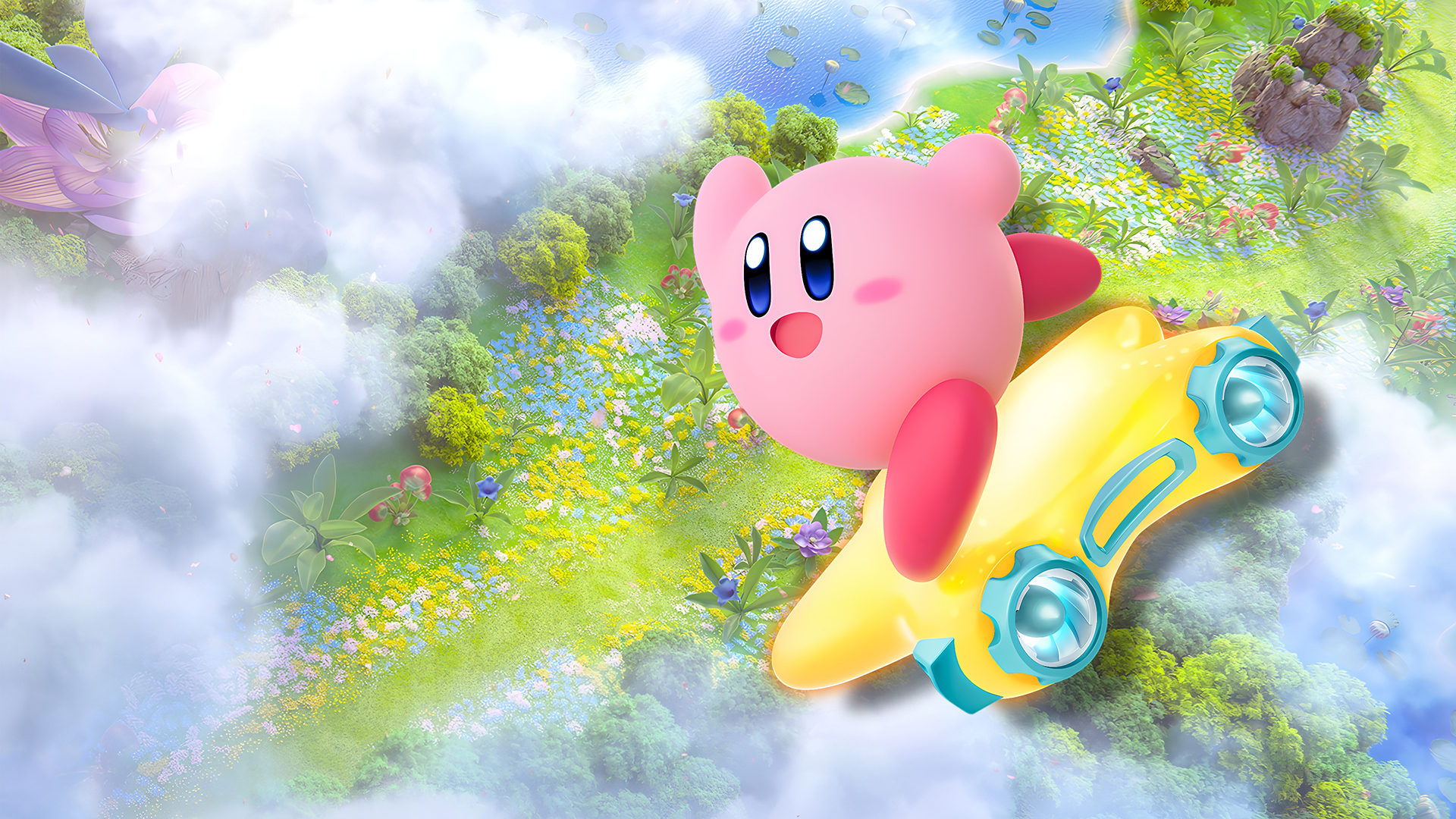
The Kirby franchise has long been celebrated for its inventive gameplay and charming character roster, and the anticipated sequel, Kirby Air Ride, aims to elevate its legacy on the Nintendo Switch.
Directed by industry veteran Masahiro Sakurai, known for his visionary work with titles like Super Smash Bros. and the original Kirby Air Ride, the latest entry promises new twists on the high-speed racing formula while retaining the whimsical spirit fans adore.
Building Upon Two Decades of Kirby Air Ride
When reflecting on the evolution of playable characters, Sakurai made it clear that a key focus has been breaking away from simply limiting Copy Abilities to Kirby himself.
"Over the 20 years since the first game, it felt inadequate for nothing to have changed regarding rider variety," Sakurai explained.
"Distinct racing and aiming styles help keep the game fresh, so allowing players to select from a wider pool of Riders was always a necessary step."
The Nintendo Switch’s technical capabilities have enabled Sakurai’s team to bring a multitude of enemy characters into the spotlight as selectable Riders.
As Sakurai noted, the world of Kirby is populated by foes with unique abilities—some are heavyweights, others can soar through the skies or unleash lasers.
Even Waddle Dee’s absence of powers, Sakurai highlighted, adds to the character’s appeal and broadens the diversity of playstyles available.
The design philosophy is clear: characters’ visual designs signal their gameplay skills instantly, fostering intuitive player choice.
Balanced Roster and Animation Challenges
While expanding the roster, Sakurai emphasized that there would always be representation of key characters, including King Dedede, but not an overabundance of new original faces.
Notably, Noir Dedede stands out as one of the few freshly designed Riders.
One of the most significant development challenges has been animating each Rider uniquely.
"The actual riding, idle, walking, jumping, reaction to hits—every single action required individual animation work," Sakurai recounted.
The broad variety in character shapes, proportions, and movement meant that standard animation cycles simply wouldn’t suffice, leading to an exponential increase in workload compared to games focused mainly on humanoid characters.
Despite the hurdles, Sakurai expressed his satisfaction with the final results, particularly when players observe their favorite characters interact organically in environments like the Paddock.
Innovative Machine Design and Gameplay Balance
The creation of Air Ride machines blends technical creativity and balance.
Sakurai shared that the design team experimented with various concepts before settling on the final lineup, always mindful of the development team’s size and resources.
Machines like the Vampire Star and Chariot were carried over from early drafts, while others were adapted or left out for practical reasons.
In balancing flying and land-based vehicles, the developers tuned flying machines to be slightly weaker overall, but compensated with greater freedom and potential during the pivotal City Trial game mode.
This careful balance ensures no one vehicle type dominates, inviting players to experiment with all machine types.
A Focus on Mechanical Realism and Movement Abilities
Sakurai’s passion for vehicles is evident—during prototyping, he even crafted a detailed, high-poly model of the Wheelie Bike, replete with authentic motorcycle features.
This attention to detail set the visual tone and realism for the entire project.
"It’s exhilarating to master a machine that feels like it could exist in the real world," Sakurai stated, emphasizing his desire to convey the thrill of driving and maneuvering these vehicles to both new and longtime Kirby fans.
The game also introduces more movement-focused Copy Abilities, expanding beyond staple attacks to enrich the gameplay loop.
Abilities like Drill, Flash, and Steel Ball offer new dimensions of mobility, while the omission of returning powers like Wing (due to complex animation requirements for the expanded roster) led to the addition of new alternatives such as Jet.
Every decision, from balance tweaks to production cuts, reflects the layered considerations that go into making a beloved, enduring title.
As anticipation for Kirby Air Ride on Nintendo Switch builds, Sakurai’s insights illuminate the meticulous process behind revitalizing a classic.
His dedication to innovation, balance, and accessibility is set to deliver an unforgettable experience for both competitive racers and longtime franchise enthusiasts.
The Kirby franchise has long been celebrated for its inventive gameplay and charming character roster, and the anticipated sequel, Kirby Air Ride, aims to elevate its legacy on the Nintendo Switch.
Directed by industry veteran Masahiro Sakurai, known for his visionary work with titles like Super Smash Bros. and the original Kirby Air Ride, the latest entry promises new twists on the high-speed racing formula while retaining the whimsical spirit fans adore.
Building Upon Two Decades of Kirby Air Ride
When reflecting on the evolution of playable characters, Sakurai made it clear that a key focus has been breaking away from simply limiting Copy Abilities to Kirby himself.
"Over the 20 years since the first game, it felt inadequate for nothing to have changed regarding rider variety," Sakurai explained.
"Distinct racing and aiming styles help keep the game fresh, so allowing players to select from a wider pool of Riders was always a necessary step."
The Nintendo Switch’s technical capabilities have enabled Sakurai’s team to bring a multitude of enemy characters into the spotlight as selectable Riders.
As Sakurai noted, the world of Kirby is populated by foes with unique abilities—some are heavyweights, others can soar through the skies or unleash lasers.
Even Waddle Dee’s absence of powers, Sakurai highlighted, adds to the character’s appeal and broadens the diversity of playstyles available.
The design philosophy is clear: characters’ visual designs signal their gameplay skills instantly, fostering intuitive player choice.
Balanced Roster and Animation Challenges
While expanding the roster, Sakurai emphasized that there would always be representation of key characters, including King Dedede, but not an overabundance of new original faces.
Notably, Noir Dedede stands out as one of the few freshly designed Riders.
One of the most significant development challenges has been animating each Rider uniquely.
"The actual riding, idle, walking, jumping, reaction to hits—every single action required individual animation work," Sakurai recounted.
The broad variety in character shapes, proportions, and movement meant that standard animation cycles simply wouldn’t suffice, leading to an exponential increase in workload compared to games focused mainly on humanoid characters.
Despite the hurdles, Sakurai expressed his satisfaction with the final results, particularly when players observe their favorite characters interact organically in environments like the Paddock.
Innovative Machine Design and Gameplay Balance
The creation of Air Ride machines blends technical creativity and balance.
Sakurai shared that the design team experimented with various concepts before settling on the final lineup, always mindful of the development team’s size and resources.
Machines like the Vampire Star and Chariot were carried over from early drafts, while others were adapted or left out for practical reasons.
In balancing flying and land-based vehicles, the developers tuned flying machines to be slightly weaker overall, but compensated with greater freedom and potential during the pivotal City Trial game mode.
This careful balance ensures no one vehicle type dominates, inviting players to experiment with all machine types.
A Focus on Mechanical Realism and Movement Abilities
Sakurai’s passion for vehicles is evident—during prototyping, he even crafted a detailed, high-poly model of the Wheelie Bike, replete with authentic motorcycle features.
This attention to detail set the visual tone and realism for the entire project.
"It’s exhilarating to master a machine that feels like it could exist in the real world," Sakurai stated, emphasizing his desire to convey the thrill of driving and maneuvering these vehicles to both new and longtime Kirby fans.
The game also introduces more movement-focused Copy Abilities, expanding beyond staple attacks to enrich the gameplay loop.
Abilities like Drill, Flash, and Steel Ball offer new dimensions of mobility, while the omission of returning powers like Wing (due to complex animation requirements for the expanded roster) led to the addition of new alternatives such as Jet.
Every decision, from balance tweaks to production cuts, reflects the layered considerations that go into making a beloved, enduring title.
As anticipation for Kirby Air Ride on Nintendo Switch builds, Sakurai’s insights illuminate the meticulous process behind revitalizing a classic.
His dedication to innovation, balance, and accessibility is set to deliver an unforgettable experience for both competitive racers and longtime franchise enthusiasts.