Ken Levine, the creator of BioShock and head of Ghost Story Games, recently discussed how visual style influences a game's longevity and what that means for platforms like the Nintendo Switch and other modern handheld hardware.
In an interview with IGN, Levine argued that stylistic art directions often hold up better over time than attempts at ultra-realistic graphics—a point with implications for developers targeting consoles, the eShop, and announcements made via Nintendo Direct.
Background and context
The Nintendo Switch launched on March 3, 2017, and has since become a central platform for both major publishers and indie studios.
Its hybrid design and marketplace dynamics have encouraged varied art directions across many titles.
Ghost Story Games, Levine's studio, is working on a narrative-driven project that has been described as a spiritual successor to BioShock, and Levine used that perspective to reflect on broader trends in game visuals.
Levine on realism and stylistic design (paraphrased)
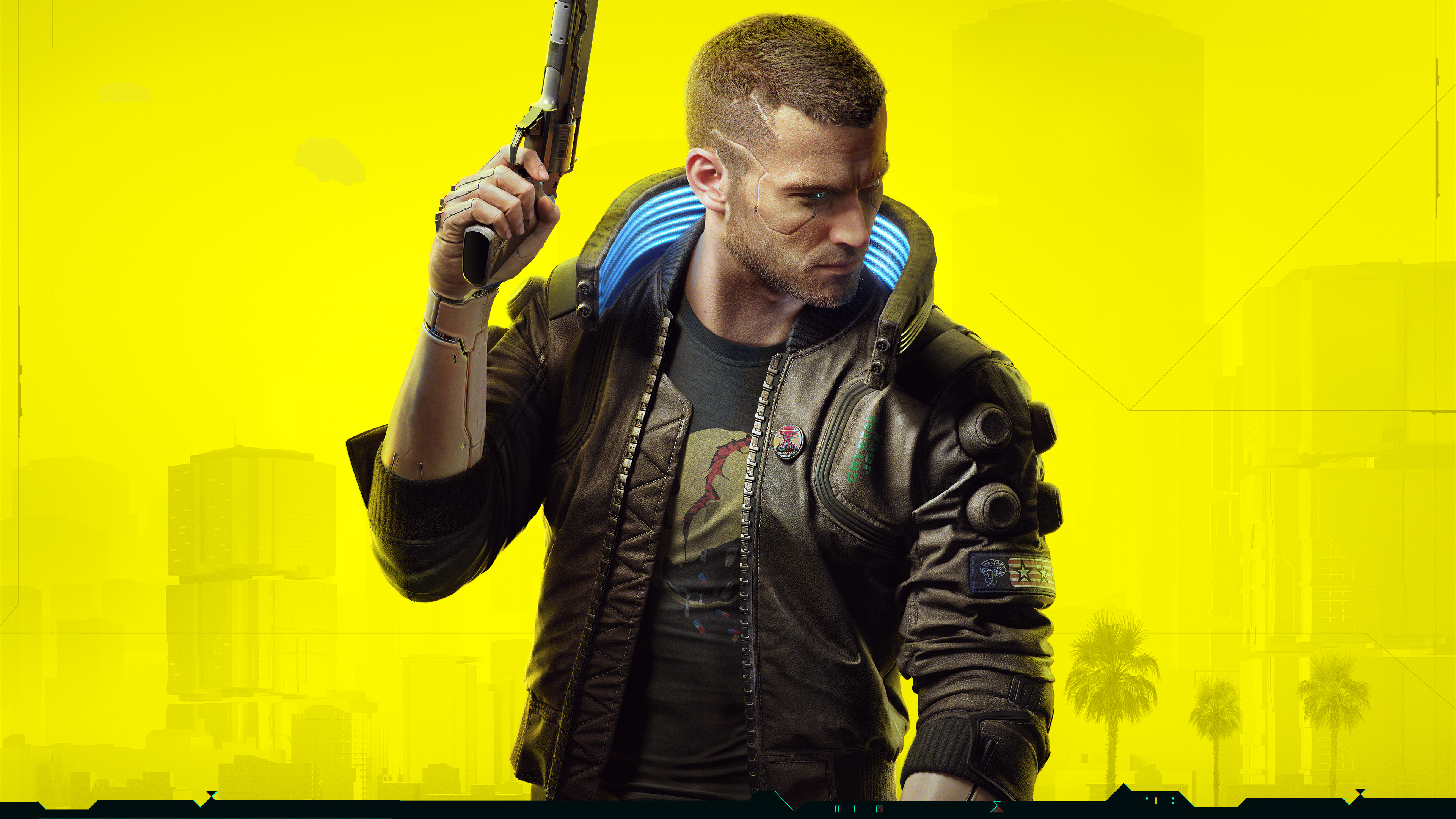
Levine told IGN that photorealism tends to lose impact as technology advances, whereas stylized visuals often retain their character.
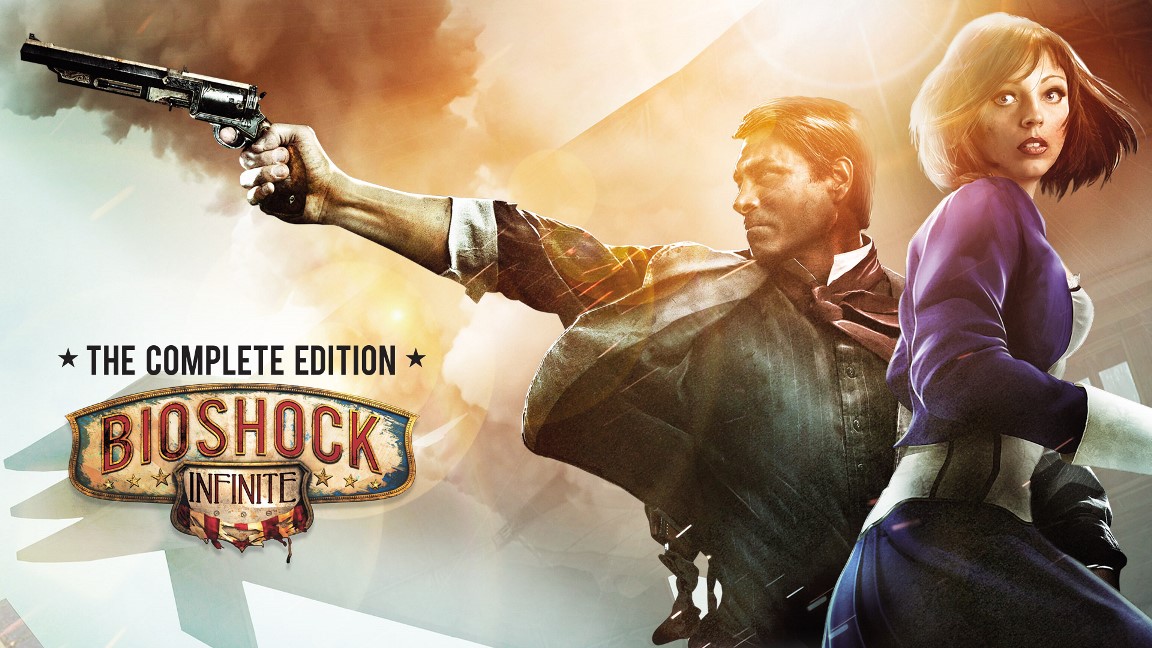
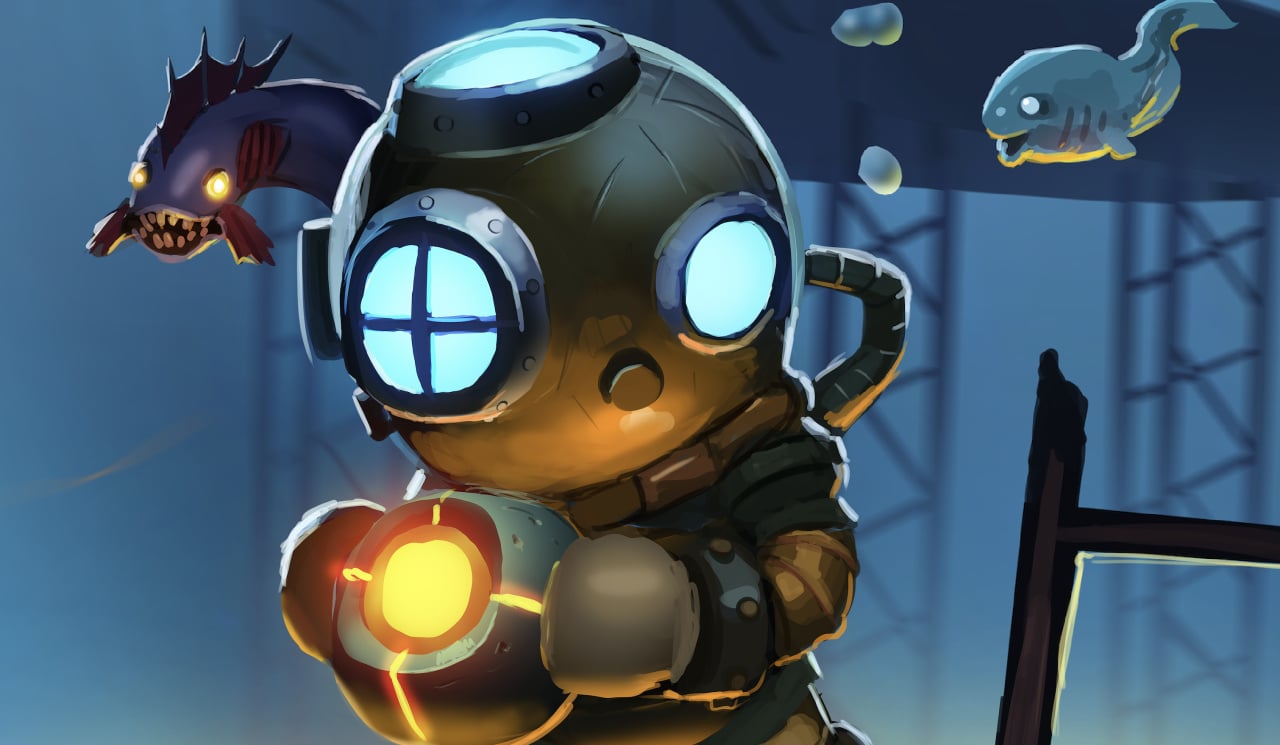
He noted that BioShock's aesthetic continues to resonate because it wasn't focused on reproducing every mechanical detail realistically; instead, its stylized presentation gives it lasting visual identity.
Levine also observed that developers do not always gain proportional value from incremental hardware upgrades, and that chasing the absolute cutting edge of realism can be costly and produce diminishing returns.
Why this matters for Switch developers
Levine emphasized that studios with strong art direction can deliver memorable, enduring experiences without relying solely on the latest hardware breakthroughs.
For creators publishing on the Nintendo eShop or revealing projects during Nintendo Direct presentations, the takeaway is practical: design choices and cohesive visual identity can matter more than raw fidelity.
That approach can benefit teams working within the technical constraints of handhelds or hybrid consoles while still appealing to players and critics.
Verified facts cited
- Ken Levine is the creator of the original BioShock series and leads Ghost Story Games.
- The Nintendo Switch launched on March 3, 2017, and remains a major platform for releases on Nintendo Direct and the eShop.
- Ghost Story Games has been linked publicly to a new, narrative-driven project positioned as a spiritual follow-up to Levine's earlier work.
Levine's comments underscore a widely observed industry pattern: strong art direction and stylistic choices can extend a game's visual relevance across hardware generations, a practical consideration for developers targeting platforms ranging from the Nintendo Switch to emerging handheld devices.
In an interview with IGN, Levine argued that stylistic art directions often hold up better over time than attempts at ultra-realistic graphics—a point with implications for developers targeting consoles, the eShop, and announcements made via Nintendo Direct.
Background and context
The Nintendo Switch launched on March 3, 2017, and has since become a central platform for both major publishers and indie studios.
Its hybrid design and marketplace dynamics have encouraged varied art directions across many titles.
Ghost Story Games, Levine's studio, is working on a narrative-driven project that has been described as a spiritual successor to BioShock, and Levine used that perspective to reflect on broader trends in game visuals.
Levine on realism and stylistic design (paraphrased)
Levine told IGN that photorealism tends to lose impact as technology advances, whereas stylized visuals often retain their character.
He noted that BioShock's aesthetic continues to resonate because it wasn't focused on reproducing every mechanical detail realistically; instead, its stylized presentation gives it lasting visual identity.
Levine also observed that developers do not always gain proportional value from incremental hardware upgrades, and that chasing the absolute cutting edge of realism can be costly and produce diminishing returns.
Why this matters for Switch developers
Levine emphasized that studios with strong art direction can deliver memorable, enduring experiences without relying solely on the latest hardware breakthroughs.
For creators publishing on the Nintendo eShop or revealing projects during Nintendo Direct presentations, the takeaway is practical: design choices and cohesive visual identity can matter more than raw fidelity.
That approach can benefit teams working within the technical constraints of handhelds or hybrid consoles while still appealing to players and critics.
Verified facts cited
- Ken Levine is the creator of the original BioShock series and leads Ghost Story Games.
- The Nintendo Switch launched on March 3, 2017, and remains a major platform for releases on Nintendo Direct and the eShop.
- Ghost Story Games has been linked publicly to a new, narrative-driven project positioned as a spiritual follow-up to Levine's earlier work.
Levine's comments underscore a widely observed industry pattern: strong art direction and stylistic choices can extend a game's visual relevance across hardware generations, a practical consideration for developers targeting platforms ranging from the Nintendo Switch to emerging handheld devices.