The Legend of Zelda: Ocarina of Time remake (Nintendo Switch 2) — Bandai Namco confirmed visual asset work
Nintendo's high-profile remake of The Legend of Zelda: Ocarina of Time launched for the Nintendo Switch 2 on November 5, 2026, marking another major reissue of the 1998 Nintendo 64 classic.
Nintendo led development on the project, with partner studio Monolift Soft providing engine support and design assistance.
Today, Bandai Namco has confirmed on its corporate website that it also contributed to the remake's production.
Bandai Namco's role in the remake
Bandai Namco said on its website that the company took part in producing visual content for the remake, contributing artwork and visual assets across multiple areas of the game.
Specifically, the studio indicated it worked on characters, environments, animations, cutscenes and user interface elements, among other graphical components.
This places Bandai Namco squarely on the visual-production side of the project rather than leading core game design.
Context and significance
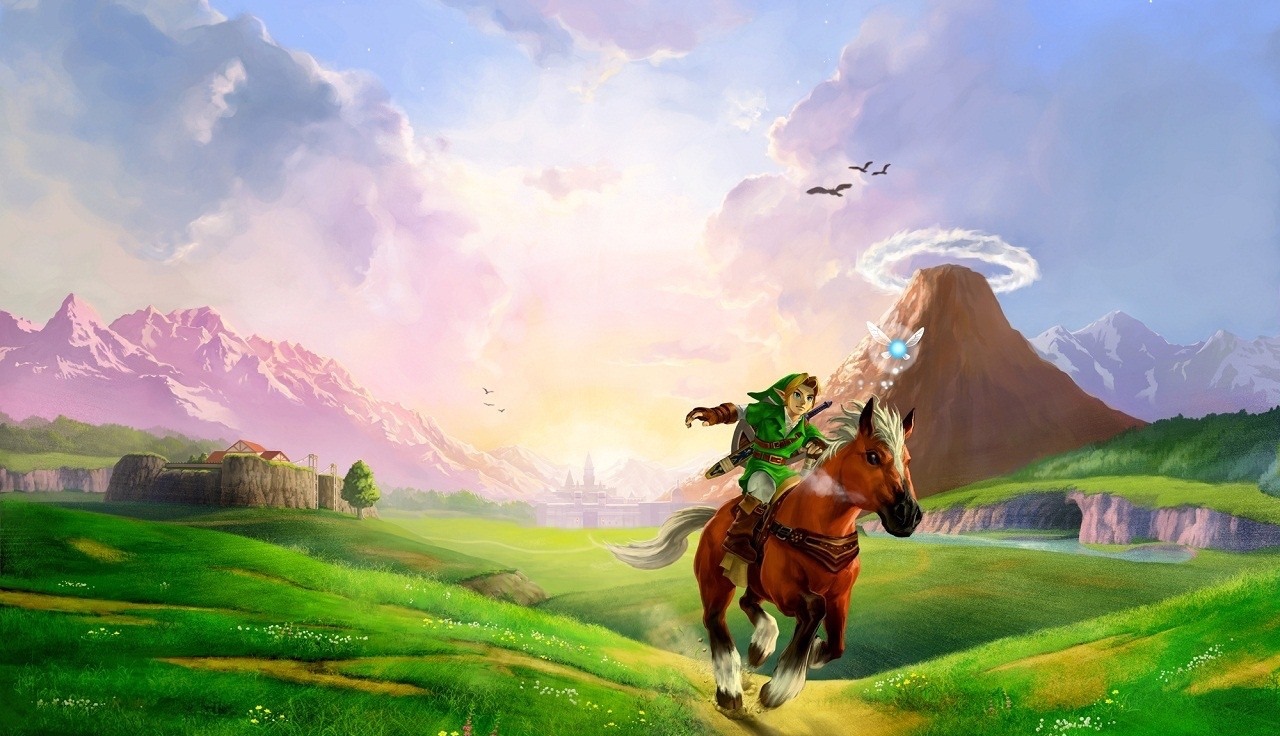
The original The Legend of Zelda: Ocarina of Time debuted on the Nintendo 64 in 1998 and has been widely re-released and remastered across Nintendo platforms since.
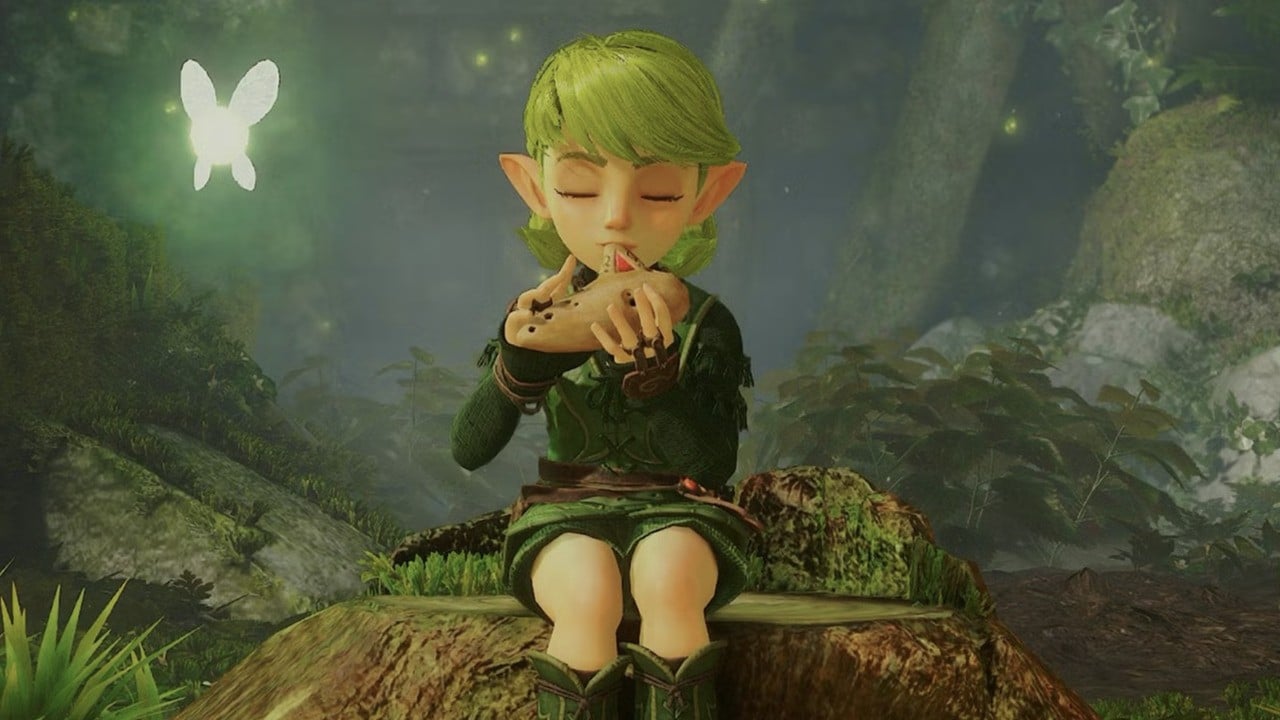
The Switch 2 remake represents Nintendo's most recent effort to modernize the title, with a marked visual overhaul compared with previous versions.
While the remake's development team was smaller than the teams behind Breath of the Wild and Tears of the Kingdom — both of which were substantially larger, open-world projects — Nintendo's decision to bring in external partners like Monolift Soft and Bandai Namco underscores a growing practice: leveraging third-party expertise to meet high production values on first-party franchises.
Reception and sales
At launch in the U.K., the Ocarina of Time remake sold 35% more physical copies than Breath of the Wild did during its own U.K. opening, though sales did not match the launch performance of Tears of the Kingdom.
Critical attention has focused heavily on the game's visual direction and fidelity, an area where Bandai Namco's credited contributions are directly relevant.
Why this matters for Nintendo and the industry
Nintendo working with outside studios on core franchise entries reflects both the technical demands of modern remakes and the collaborative nature of contemporary game production.
Bringing in specialized partners for assets, animation and UI work can accelerate schedules and help achieve a consistent visual standard across platforms such as the Nintendo Switch 2 and the broader Nintendo ecosystem, including the eShop distribution channel.
As Nintendo continues to refresh legacy titles, documented collaborations like Bandai Namco's involvement offer concrete examples of how major publishers marshal external talent to deliver polished releases.