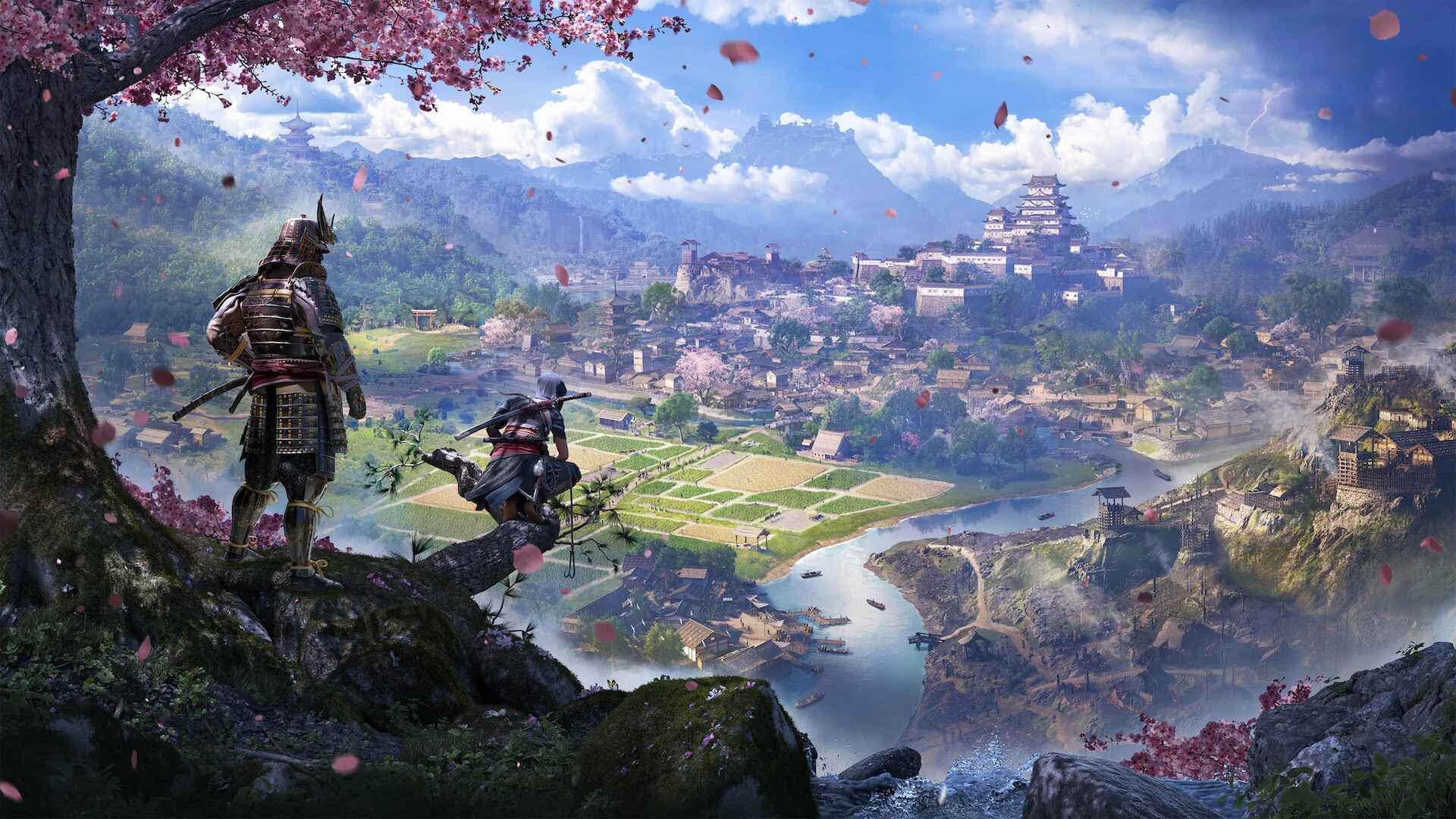

Ubisoft is setting the stage for a major release next week with Assassin's Creed Shadows arriving on Nintendo Switch 2.
Ahead of the highly anticipated launch, Ubisoft has released a comprehensive technical deep dive, offering the gaming community a transparent look at the performance and platform-specific enhancements integrated into this version of the game.
Performance Targets and Technical Optimization
Both in handheld and docked modes on the Nintendo Switch 2, Assassin's Creed Shadows will target a steady frame rate of 30 frames per second.
While Ubisoft has yet to announce the final resolution settings for each gameplay mode, it's clear the development team has undertaken a significant code-level overhaul to adapt the game engine and assets for the ARM-based architecture of Nintendo's latest console.
A Ubisoft spokesperson said the team invested substantial effort into ensuring the game's world remains "visually impressive and dynamic," despite hardware differences.
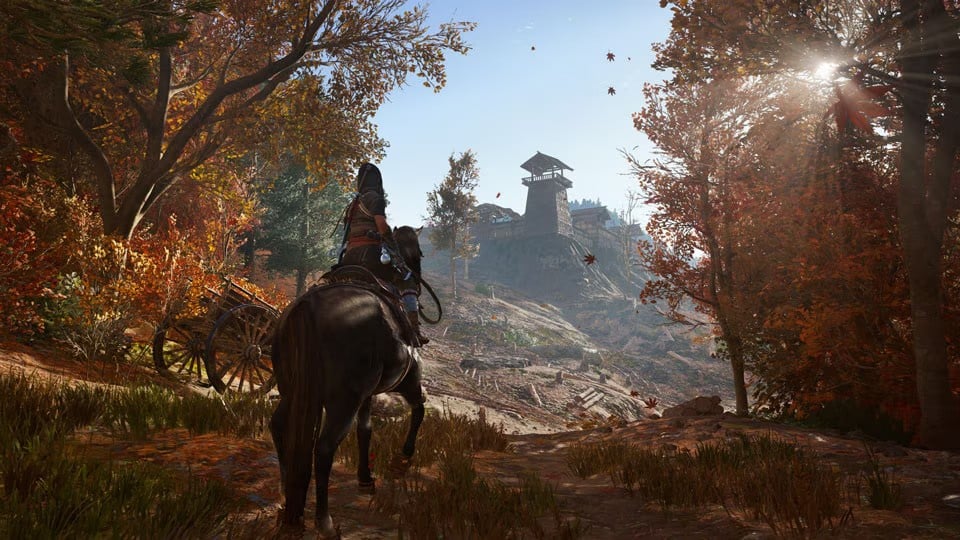
They confirmed that core systems for cloud and cloth simulation are carried over, albeit strategically optimized for the Switch 2’s processor.
Simulation data has been selectively downscaled to reduce GPU workload while preserving visual fidelity, thus aiming for an experience that closely mirrors higher-end platforms.
Advanced Lighting and Graphics Features
In terms of lighting, Assassin's Creed Shadows for Switch 2 leverages Ubisoft’s baked Global Illumination system—widely used on lower-spec PCs and Xbox Series S—for advanced, realistic lighting effects, with RAM constraints being the primary influence behind this choice.
This method allows the development team to maintain a visually authentic game world without overtaxing the system's resources.
Other optimization strategies include careful adjustment of Level of Detail (LOD), draw distances, texture resolutions, and the intelligent loading of environmental elements—all contributing to maintaining the depth of the in-game world.
Ubisoft has stated that while overall environmental richness remains largely preserved, NPC counts are intentionally reduced in densely populated scenes to safeguard smooth gameplay.
Upscaling and Visual Fidelity
To further improve image quality and performance, the game utilizes DLSS (Deep Learning Super Sampling) technology.
Ubisoft notes that players can expect crisper visuals, richer colors, refined textures, and a reduction in visual glitches.
This technology also raises the effective frame rate via upscaling, delivering smoother animation, improved fluidity, and lower latency.
Hardware-Specific Features and Post-Launch Content
The deep dive also highlights bespoke Switch 2 features, such as touchscreen navigation for in-game menus and maps—a nod to the platform’s hybrid design.
In docked mode, players will benefit from HDR support, while handheld mode sees VRR (Variable Refresh Rate) enabled for consistent gameplay.
Ubisoft clarified that although VRR typically activates above 40 fps, a unique algorithm was developed to ensure it remains functional at the Switch 2's 30-fps target, further enhancing visual smoothness.
Nintendo users can expect robust post-launch support, with all additional content released for Assassin's Creed Shadows included up to 2026, apart from the "Claws of Awaji" expansion.
Importantly, cross-progression is available via Ubisoft Connect, enabling seamless gameplay across platforms.
Conclusion
Assassin's Creed Shadows launches on Nintendo Switch 2 next week, representing Ubisoft's commitment to delivering a finely tuned AAA experience that leverages the full capabilities of Nintendo’s new hardware.
With thorough optimization and platform-specific features, the title sets a new benchmark for ambitious third-party releases on the Switch ecosystem.
Ahead of the highly anticipated launch, Ubisoft has released a comprehensive technical deep dive, offering the gaming community a transparent look at the performance and platform-specific enhancements integrated into this version of the game.
Performance Targets and Technical Optimization
Both in handheld and docked modes on the Nintendo Switch 2, Assassin's Creed Shadows will target a steady frame rate of 30 frames per second.
While Ubisoft has yet to announce the final resolution settings for each gameplay mode, it's clear the development team has undertaken a significant code-level overhaul to adapt the game engine and assets for the ARM-based architecture of Nintendo's latest console.
A Ubisoft spokesperson said the team invested substantial effort into ensuring the game's world remains "visually impressive and dynamic," despite hardware differences.
They confirmed that core systems for cloud and cloth simulation are carried over, albeit strategically optimized for the Switch 2’s processor.
Simulation data has been selectively downscaled to reduce GPU workload while preserving visual fidelity, thus aiming for an experience that closely mirrors higher-end platforms.
Advanced Lighting and Graphics Features
In terms of lighting, Assassin's Creed Shadows for Switch 2 leverages Ubisoft’s baked Global Illumination system—widely used on lower-spec PCs and Xbox Series S—for advanced, realistic lighting effects, with RAM constraints being the primary influence behind this choice.
This method allows the development team to maintain a visually authentic game world without overtaxing the system's resources.
Other optimization strategies include careful adjustment of Level of Detail (LOD), draw distances, texture resolutions, and the intelligent loading of environmental elements—all contributing to maintaining the depth of the in-game world.
Ubisoft has stated that while overall environmental richness remains largely preserved, NPC counts are intentionally reduced in densely populated scenes to safeguard smooth gameplay.
Upscaling and Visual Fidelity
To further improve image quality and performance, the game utilizes DLSS (Deep Learning Super Sampling) technology.
Ubisoft notes that players can expect crisper visuals, richer colors, refined textures, and a reduction in visual glitches.
This technology also raises the effective frame rate via upscaling, delivering smoother animation, improved fluidity, and lower latency.
Hardware-Specific Features and Post-Launch Content
The deep dive also highlights bespoke Switch 2 features, such as touchscreen navigation for in-game menus and maps—a nod to the platform’s hybrid design.
In docked mode, players will benefit from HDR support, while handheld mode sees VRR (Variable Refresh Rate) enabled for consistent gameplay.
Ubisoft clarified that although VRR typically activates above 40 fps, a unique algorithm was developed to ensure it remains functional at the Switch 2's 30-fps target, further enhancing visual smoothness.
Nintendo users can expect robust post-launch support, with all additional content released for Assassin's Creed Shadows included up to 2026, apart from the "Claws of Awaji" expansion.
Importantly, cross-progression is available via Ubisoft Connect, enabling seamless gameplay across platforms.
Conclusion
Assassin's Creed Shadows launches on Nintendo Switch 2 next week, representing Ubisoft's commitment to delivering a finely tuned AAA experience that leverages the full capabilities of Nintendo’s new hardware.
With thorough optimization and platform-specific features, the title sets a new benchmark for ambitious third-party releases on the Switch ecosystem.