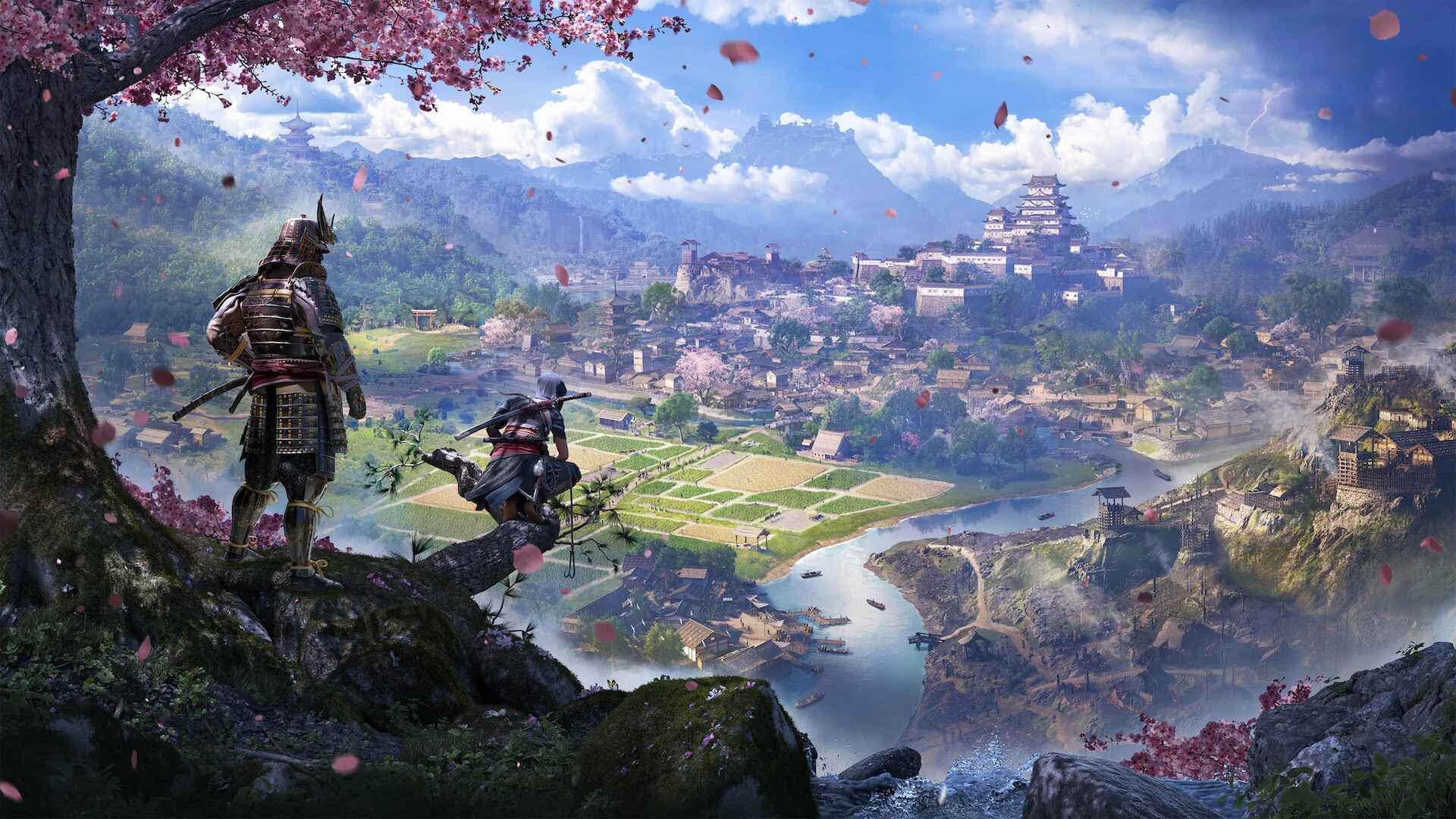
With Ubisoft’s acclaimed action-adventure series making its debut on Nintendo’s next-generation console, Assassin’s Creed Shadows has landed on the Nintendo Switch 2, stirring significant curiosity among the gaming community regarding its technical prowess.
Following its launch, renowned performance analysts at Digital Foundry conducted a thorough breakdown of the port, investigating the visual fidelity, frame rate stability, and overall graphical changes compared to its counterparts on other platforms like the Xbox Series S.
Assassin’s Creed Shadows is a major endeavor for Ubisoft, marking a new chapter as one of the first AAA titles to leverage the hardware capabilities of the Nintendo Switch 2.
The port’s technical analysis reveals that while the title does inherit some of Xbox Series S’s graphical compromises, further adjustments were made to ensure stable gameplay and a consistent user experience on Nintendo’s system.
According to Digital Foundry’s findings, several concessions were made to optimize performance on the compact Switch 2 hardware.
The Nintendo Switch 2 version omits certain effects, such as screen space reflections—relying instead on sky-tinged reflections—and features a less reactive water surface that does not respond to player movement.
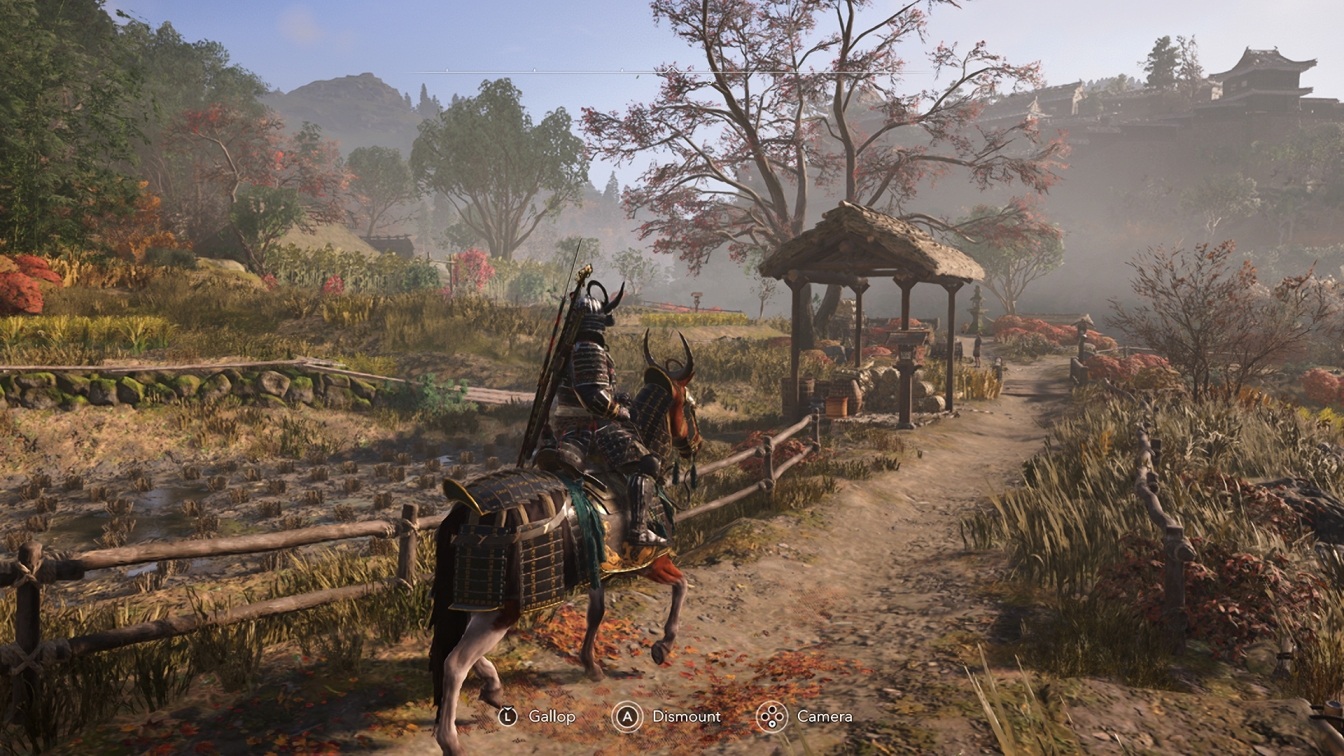
The environmental density also receives notable reductions, with diminished foliage and less ground detail, particularly evident in the mid-to-close ranges.
Far-off vistas remain relatively intact, but trees are subject to noticeably more aggressive level-of-detail transitions compared to the Xbox Series S.
Despite these trims, the port retains Ubisoft’s virtualized geometry system, ensuring the core visual signature of Assassin’s Creed Shadows is preserved.
However, vegetation such as grasses appear chunkier and more static, with subtler animation, and there are fewer visible shifts in wind direction.
Some minor issues like occasional clipping on player clothing, not seen on the Xbox Series S, have been identified, along with reductions in texture resolution, shadows, and overall feature set in cutscenes.
Surprisingly, the file size for Assassin’s Creed Shadows on Nintendo Switch 2 comes in at just under half of the Xbox Series S edition, thanks to these selective cuts.
Resolution-wise, the docked mode averages about 648p; however, Nvidia’s DLSS technology enhances output, delivering crisper visuals during gameplay.
In fact, at times, the Switch 2 version exhibits even cleaner resolution than its Xbox counterpart.
The game targets a 30 FPS frame rate and generally maintains this benchmark, although occasional frame pacing problems and dips do occur, particularly in graphically intensive areas such as Kyoto or during combat sequences.
Handheld performance introduces additional compromises.
Increased pop-in and softer base resolution—estimated near 480p before DLSS scaling—are present, yet gameplay remains smoother, partly due to the Switch 2’s variable refresh rate (VRR) support in portable mode.
Overall, while some visual flourishes have been dialed back, Assassin’s Creed Shadows on Nintendo Switch 2 offers an experience remarkably close to the Xbox Series S version, especially impressive for a portable device.
Ubisoft’s adaptation underscores both the capabilities of Nintendo’s latest hardware and the expertise of the development team in optimizing large-scale titles for diverse platforms.
Assassin’s Creed Shadows is available now on Nintendo Switch 2 and other major platforms.
For a deeper dive into the technical specifics, Digital Foundry’s comprehensive analysis provides further insight into the frame rate, resolution, and performance nuances.
Following its launch, renowned performance analysts at Digital Foundry conducted a thorough breakdown of the port, investigating the visual fidelity, frame rate stability, and overall graphical changes compared to its counterparts on other platforms like the Xbox Series S.
Assassin’s Creed Shadows is a major endeavor for Ubisoft, marking a new chapter as one of the first AAA titles to leverage the hardware capabilities of the Nintendo Switch 2.
The port’s technical analysis reveals that while the title does inherit some of Xbox Series S’s graphical compromises, further adjustments were made to ensure stable gameplay and a consistent user experience on Nintendo’s system.
According to Digital Foundry’s findings, several concessions were made to optimize performance on the compact Switch 2 hardware.
The Nintendo Switch 2 version omits certain effects, such as screen space reflections—relying instead on sky-tinged reflections—and features a less reactive water surface that does not respond to player movement.
The environmental density also receives notable reductions, with diminished foliage and less ground detail, particularly evident in the mid-to-close ranges.
Far-off vistas remain relatively intact, but trees are subject to noticeably more aggressive level-of-detail transitions compared to the Xbox Series S.
Despite these trims, the port retains Ubisoft’s virtualized geometry system, ensuring the core visual signature of Assassin’s Creed Shadows is preserved.
However, vegetation such as grasses appear chunkier and more static, with subtler animation, and there are fewer visible shifts in wind direction.
Some minor issues like occasional clipping on player clothing, not seen on the Xbox Series S, have been identified, along with reductions in texture resolution, shadows, and overall feature set in cutscenes.
Surprisingly, the file size for Assassin’s Creed Shadows on Nintendo Switch 2 comes in at just under half of the Xbox Series S edition, thanks to these selective cuts.
Resolution-wise, the docked mode averages about 648p; however, Nvidia’s DLSS technology enhances output, delivering crisper visuals during gameplay.
In fact, at times, the Switch 2 version exhibits even cleaner resolution than its Xbox counterpart.
The game targets a 30 FPS frame rate and generally maintains this benchmark, although occasional frame pacing problems and dips do occur, particularly in graphically intensive areas such as Kyoto or during combat sequences.
Handheld performance introduces additional compromises.
Increased pop-in and softer base resolution—estimated near 480p before DLSS scaling—are present, yet gameplay remains smoother, partly due to the Switch 2’s variable refresh rate (VRR) support in portable mode.
Overall, while some visual flourishes have been dialed back, Assassin’s Creed Shadows on Nintendo Switch 2 offers an experience remarkably close to the Xbox Series S version, especially impressive for a portable device.
Ubisoft’s adaptation underscores both the capabilities of Nintendo’s latest hardware and the expertise of the development team in optimizing large-scale titles for diverse platforms.
Assassin’s Creed Shadows is available now on Nintendo Switch 2 and other major platforms.
For a deeper dive into the technical specifics, Digital Foundry’s comprehensive analysis provides further insight into the frame rate, resolution, and performance nuances.