A resurfaced 2005 interview with The Legend of Zelda producer Eiji Aonuma highlights a rare moment of public praise for a contemporary competitor.
EDGE magazine interviewed Aonuma in 2005 while he was leading development on The Legend of Zelda: Twilight Princess, which later launched for both Nintendo GameCube and Wii in November 2006.
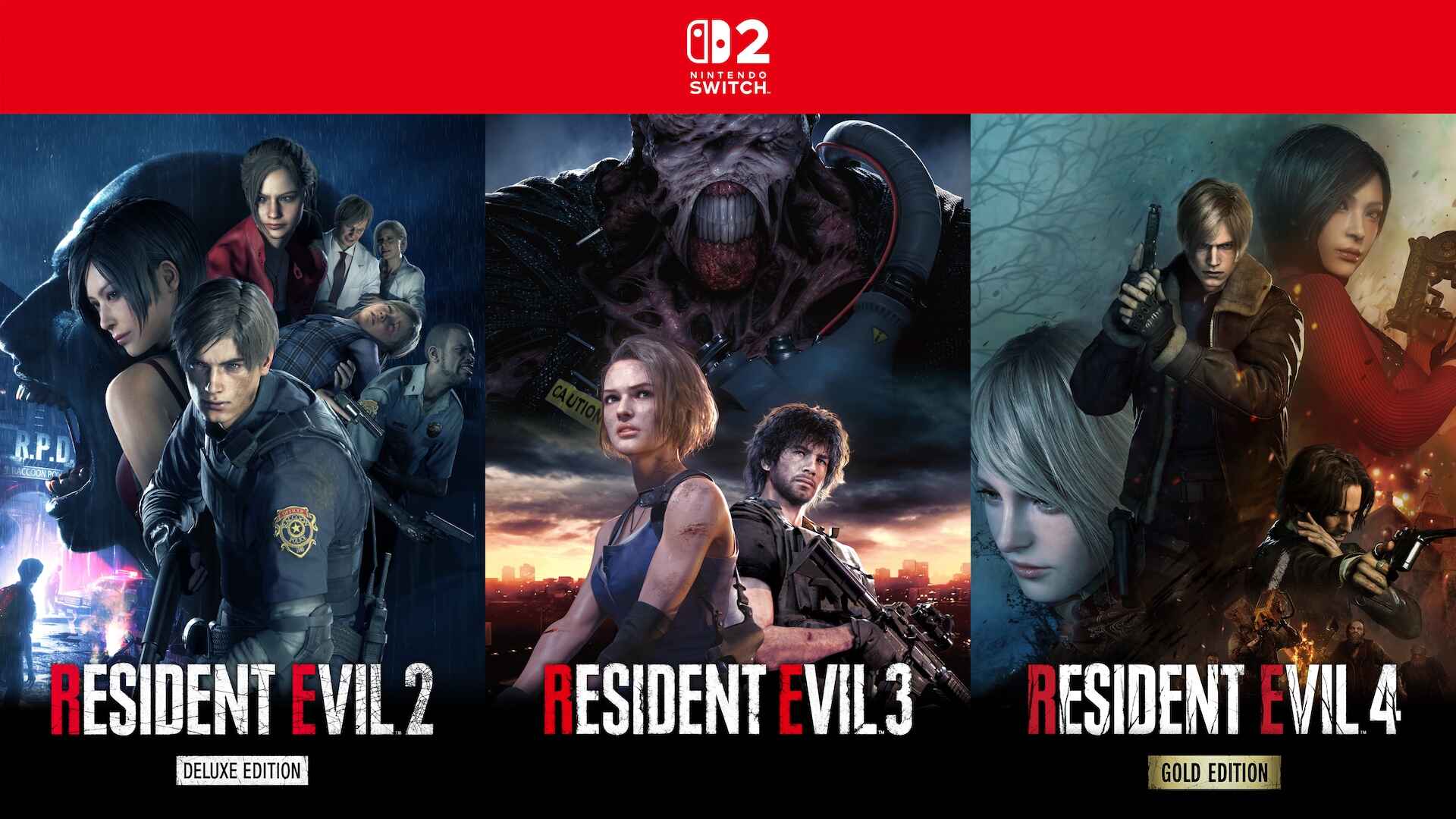
GamesRadar recently brought the EDGE piece back to attention, noting Aonuma’s candid admiration for Capcom’s Resident Evil 4, a title that made a major technical and design impact in 2005.
Context and timeline
- Resident Evil 4 (Capcom) originally released in 2005 for the Nintendo GameCube and was later ported to PlayStation 2 in 2005.
The game is frequently cited for its influence on third-person camera design and action-driven survival-horror gameplay.
- Twilight Princess shipped for GameCube and Wii in November 2006 and has since been revisited with Twilight Princess HD for Wii U, released in March 2016.
Paraphrased remarks from Aonuma
In the EDGE interview, Aonuma said he had been playing Resident Evil 4 while working on Twilight Princess and described it as a ‘‘stunning’’ game.
He acknowledged being impressed by Capcom’s execution, and admitted that at times he felt Capcom had achieved design goals he wished his own team had accomplished.
Aonuma also observed that some sections of Resident Evil 4 appeared to be developed with an awareness of Zelda-style design, and concluded that he could learn a great deal from the direction Capcom chose for the title.
Why this matters
Aonuma’s comments are notable because they underscore cross-studio recognition between Japanese developers during a formative period for modern action and adventure design.
Resident Evil 4’s 2005 release influenced camera and combat conventions across genres, and Aonuma’s willingness to publicly credit those influences speaks to an iterative development culture within the industry.
The resurfaced interview serves as both a historical footnote and a reminder of how major releases from competing studios can shape one another.
For fans tracking developer perspectives, the EDGE piece offers verified, first-hand insight from Zelda’s long-time producer during the Twilight Princess development cycle.
EDGE magazine interviewed Aonuma in 2005 while he was leading development on The Legend of Zelda: Twilight Princess, which later launched for both Nintendo GameCube and Wii in November 2006.
GamesRadar recently brought the EDGE piece back to attention, noting Aonuma’s candid admiration for Capcom’s Resident Evil 4, a title that made a major technical and design impact in 2005.
Context and timeline
- Resident Evil 4 (Capcom) originally released in 2005 for the Nintendo GameCube and was later ported to PlayStation 2 in 2005.
The game is frequently cited for its influence on third-person camera design and action-driven survival-horror gameplay.
- Twilight Princess shipped for GameCube and Wii in November 2006 and has since been revisited with Twilight Princess HD for Wii U, released in March 2016.
Paraphrased remarks from Aonuma
In the EDGE interview, Aonuma said he had been playing Resident Evil 4 while working on Twilight Princess and described it as a ‘‘stunning’’ game.
He acknowledged being impressed by Capcom’s execution, and admitted that at times he felt Capcom had achieved design goals he wished his own team had accomplished.
Aonuma also observed that some sections of Resident Evil 4 appeared to be developed with an awareness of Zelda-style design, and concluded that he could learn a great deal from the direction Capcom chose for the title.
Why this matters
Aonuma’s comments are notable because they underscore cross-studio recognition between Japanese developers during a formative period for modern action and adventure design.
Resident Evil 4’s 2005 release influenced camera and combat conventions across genres, and Aonuma’s willingness to publicly credit those influences speaks to an iterative development culture within the industry.
The resurfaced interview serves as both a historical footnote and a reminder of how major releases from competing studios can shape one another.
For fans tracking developer perspectives, the EDGE piece offers verified, first-hand insight from Zelda’s long-time producer during the Twilight Princess development cycle.