Animal Crossing: New Horizons bug prices — what players need to know
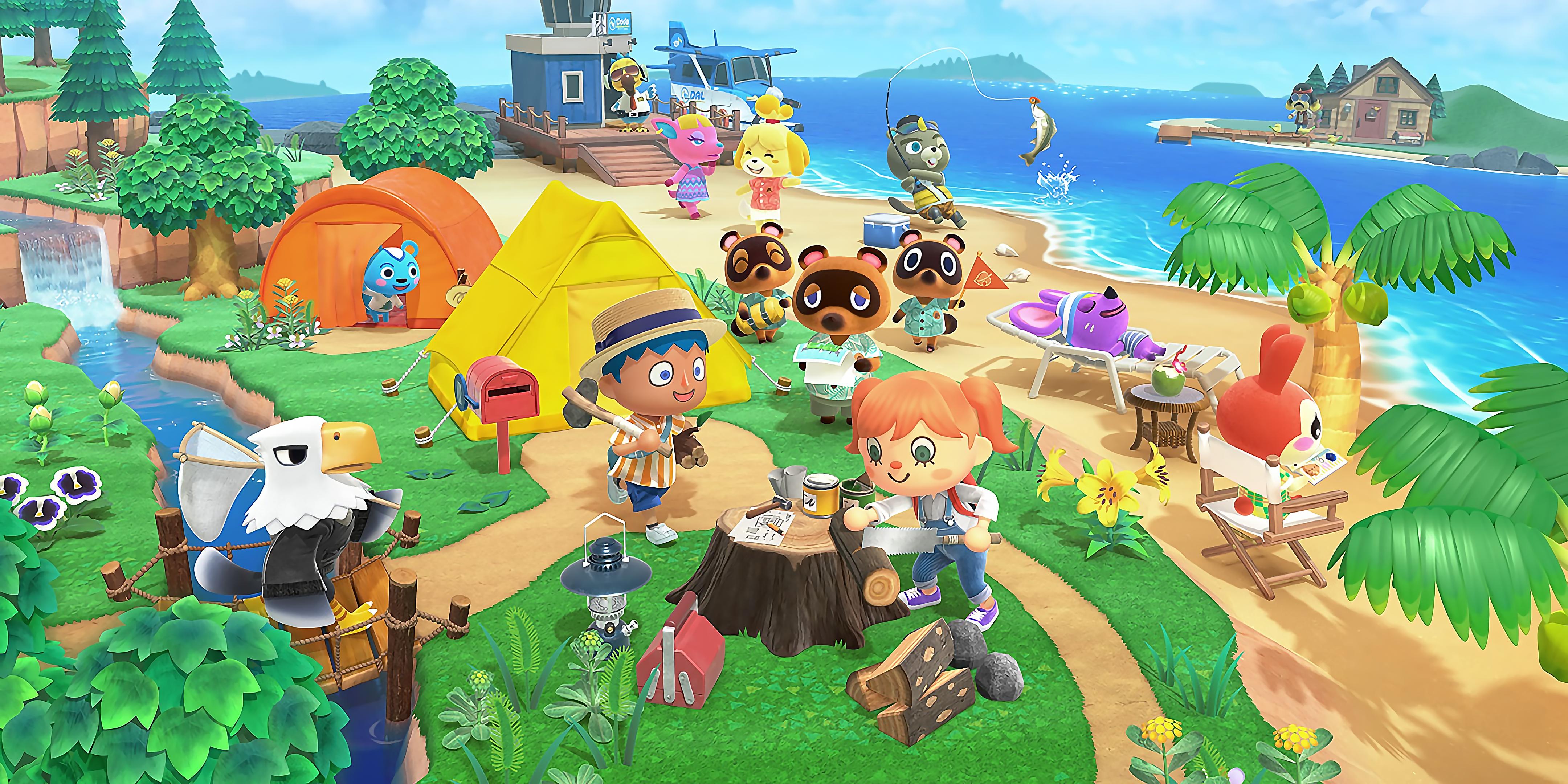
Animal Crossing: New Horizons, developed by Nintendo EPD and released worldwide for Nintendo Switch on March 20, 2020, remains a staple title on the Nintendo eShop.
For many players, catching and selling insects is a steady way to earn Bells, and understanding exact insect sale values is essential to maximizing in-game income.
Below we explain how selling works, summarize key store mechanics, and provide a consolidated list of insect prices as confirmed in-game.
How selling insects works (verified mechanics)
- Donations and duplicates: After you catalogue a bug in your Critterpedia and donate one specimen to Blathers at the Museum, any duplicate catches can be sold for Bells.
Blathers is the Museum curator who accepts donations of critters for display and storage.
- Best place to sell: Selling directly to Timmy and Tommy inside Nook’s Cranny returns the full shop trade-in value for each insect.
Timmy and Tommy are Tom Nook's nephews and operate the shop on your island.
- Drop-off box penalty: If you use the Drop-off Box outside Nook’s Cranny while the shop is closed, purchases are handled at 80% of the normal shop value.
The game applies this reduction as a handling fee for off-hours transactions.
In short: donate to Blathers to register a specimen, then sell duplicates to Timmy and Tommy at Nook’s Cranny for the best return.
If you sell via the Drop-off Box, expect to receive 80% of the listed value.
Verified Animal Crossing: New Horizons insect price list
(Values are Bells received when sold at Nook’s Cranny; Drop-off Box yields 80% of these values)
Agrias Butterfly: 3,000 Bells
Ant: 80 Bells
Atlas Moth: 3,000 Bells
Bagworm: 600 Bells
Banded Dragonfly: 4,500 Bells
Bell Cricket: 430 Bells
Blue Weevil Beetle: 800 Bells
Brown Cicada: 250 Bells
Centipede: 300 Bells
Cicada Shell: 10 Bells
Citrus Long-Horned Beetle: 350 Bells
Common Bluebottle: 300 Bells
Common Butterfly: 160 Bells
Cricket: 130 Bells
Cyclommatus Stag: 8,000 Bells
Damselfly: 500 Bells
Darner Dragonfly: 230 Bells
Diving Beetle: 800 Bells
Drone Beetle: 200 Bells
Dung Beetle: 3,000 Bells
Earth-Boring Dung Beetle: 300 Bells
Emperor Butterfly: 4,000 Bells
Evening Cicada: 550 Bells
Firefly: 300 Bells
Flea: 70 Bells
Fly: 60 Bells
Giant Cicada: 500 Bells
Giant Stag: 10,000 Bells
Giant Water Bug: 2,000 Bells
Giraffe Stag: 12,000 Bells
Golden Stag: 12,000 Bells
Goliath Beetle: 8,000 Bells
Grasshopper: 160 Bells
Great Purple Emperor: 3,000 Bells
Hermit Crab: 1,000 Bells
Honeybee: 200 Bells
Horned Atlas: 8,000 Bells
Horned Dynastid: 1,350 Bells
Horned Elephant: 8,000 Bells
Horned Hercules: 12,000 Bells
Jewel Beetle: 2,400 Bells
Ladybug: 200 Bells
Long Locust: 200 Bells
Madagascan Sunset Moth: 2,500 Bells
Man-faced Stink Bug: 1,000 Bells
Mantis: 430 Bells
Migratory Locust: 600 Bells
Miyama Stag: 1,000 Bells
Mole Cricket: 500 Bells
Monarch Butterfly: 140 Bells
Mosquito: 130 Bells
Moth: 130 Bells
Orchid Mantis: 2,400 Bells
Paper Kite Butterfly: 1,000 Bells
Peacock Butterfly: 2,500 Bells
Pill Bug: 250 Bells
Pondskater: 130 Bells
Queen Alexandra’s Birdwing: 4,000 Bells
Rainbow Stag: 6,000 Bells
Rajah Brooke’s Birdwing: 2,500 Bells
Red Dragonfly: 180 Bells
Rice Grasshopper: 400 Bells
Robust Cicada: 300 Bells
Rosalia Batesi Beetle: 3,000 Bells
Saw Stag: 2,000 Bells
Scarab Beetle: 10,000 Bells
Scorpion: 8,000 Bells
Snail: 250 Bells
Spider: 600 Bells
Stinkbug: 120 Bells
Tarantula: 8,000 Bells
Tiger Beetle: 1,500 Bells
Tiger Butterfly: 240 Bells
Violin Beetle: 450 Bells
Walker Cicada: 400 Bells
Walking Leaf: 600 Bells
Walking Stick: 600 Bells
Wasp: 2,500 Bells
Wharf Roach: 200 Bells
Yellow Butterfly: 160 Bells
Keep this list bookmarked: prices are constant when sold to Timmy and Tommy at Nook’s Cranny, and it’s the reliable reference for planning which insects to catch and hold for sale.
Animal Crossing: New Horizons remains available exclusively on Nintendo Switch and through the Nintendo eShop.
If you find discrepancies between this chart and in-game prices, please double-check after you donate a specimen to Blathers and confirm the value at Nook’s Cranny.
We will continue to maintain and update this list as players report confirmed values and as additional platform changes are announced by Nintendo.
Animal Crossing: New Horizons, developed by Nintendo EPD and released worldwide for Nintendo Switch on March 20, 2020, remains a staple title on the Nintendo eShop.
For many players, catching and selling insects is a steady way to earn Bells, and understanding exact insect sale values is essential to maximizing in-game income.
Below we explain how selling works, summarize key store mechanics, and provide a consolidated list of insect prices as confirmed in-game.
How selling insects works (verified mechanics)
- Donations and duplicates: After you catalogue a bug in your Critterpedia and donate one specimen to Blathers at the Museum, any duplicate catches can be sold for Bells.
Blathers is the Museum curator who accepts donations of critters for display and storage.
- Best place to sell: Selling directly to Timmy and Tommy inside Nook’s Cranny returns the full shop trade-in value for each insect.
Timmy and Tommy are Tom Nook's nephews and operate the shop on your island.
- Drop-off box penalty: If you use the Drop-off Box outside Nook’s Cranny while the shop is closed, purchases are handled at 80% of the normal shop value.
The game applies this reduction as a handling fee for off-hours transactions.
In short: donate to Blathers to register a specimen, then sell duplicates to Timmy and Tommy at Nook’s Cranny for the best return.
If you sell via the Drop-off Box, expect to receive 80% of the listed value.
Verified Animal Crossing: New Horizons insect price list
(Values are Bells received when sold at Nook’s Cranny; Drop-off Box yields 80% of these values)
Agrias Butterfly: 3,000 Bells
Ant: 80 Bells
Atlas Moth: 3,000 Bells
Bagworm: 600 Bells
Banded Dragonfly: 4,500 Bells
Bell Cricket: 430 Bells
Blue Weevil Beetle: 800 Bells
Brown Cicada: 250 Bells
Centipede: 300 Bells
Cicada Shell: 10 Bells
Citrus Long-Horned Beetle: 350 Bells
Common Bluebottle: 300 Bells
Common Butterfly: 160 Bells
Cricket: 130 Bells
Cyclommatus Stag: 8,000 Bells
Damselfly: 500 Bells
Darner Dragonfly: 230 Bells
Diving Beetle: 800 Bells
Drone Beetle: 200 Bells
Dung Beetle: 3,000 Bells
Earth-Boring Dung Beetle: 300 Bells
Emperor Butterfly: 4,000 Bells
Evening Cicada: 550 Bells
Firefly: 300 Bells
Flea: 70 Bells
Fly: 60 Bells
Giant Cicada: 500 Bells
Giant Stag: 10,000 Bells
Giant Water Bug: 2,000 Bells
Giraffe Stag: 12,000 Bells
Golden Stag: 12,000 Bells
Goliath Beetle: 8,000 Bells
Grasshopper: 160 Bells
Great Purple Emperor: 3,000 Bells
Hermit Crab: 1,000 Bells
Honeybee: 200 Bells
Horned Atlas: 8,000 Bells
Horned Dynastid: 1,350 Bells
Horned Elephant: 8,000 Bells
Horned Hercules: 12,000 Bells
Jewel Beetle: 2,400 Bells
Ladybug: 200 Bells
Long Locust: 200 Bells
Madagascan Sunset Moth: 2,500 Bells
Man-faced Stink Bug: 1,000 Bells
Mantis: 430 Bells
Migratory Locust: 600 Bells
Miyama Stag: 1,000 Bells
Mole Cricket: 500 Bells
Monarch Butterfly: 140 Bells
Mosquito: 130 Bells
Moth: 130 Bells
Orchid Mantis: 2,400 Bells
Paper Kite Butterfly: 1,000 Bells
Peacock Butterfly: 2,500 Bells
Pill Bug: 250 Bells
Pondskater: 130 Bells
Queen Alexandra’s Birdwing: 4,000 Bells
Rainbow Stag: 6,000 Bells
Rajah Brooke’s Birdwing: 2,500 Bells
Red Dragonfly: 180 Bells
Rice Grasshopper: 400 Bells
Robust Cicada: 300 Bells
Rosalia Batesi Beetle: 3,000 Bells
Saw Stag: 2,000 Bells
Scarab Beetle: 10,000 Bells
Scorpion: 8,000 Bells
Snail: 250 Bells
Spider: 600 Bells
Stinkbug: 120 Bells
Tarantula: 8,000 Bells
Tiger Beetle: 1,500 Bells
Tiger Butterfly: 240 Bells
Violin Beetle: 450 Bells
Walker Cicada: 400 Bells
Walking Leaf: 600 Bells
Walking Stick: 600 Bells
Wasp: 2,500 Bells
Wharf Roach: 200 Bells
Yellow Butterfly: 160 Bells
Keep this list bookmarked: prices are constant when sold to Timmy and Tommy at Nook’s Cranny, and it’s the reliable reference for planning which insects to catch and hold for sale.
Animal Crossing: New Horizons remains available exclusively on Nintendo Switch and through the Nintendo eShop.
If you find discrepancies between this chart and in-game prices, please double-check after you donate a specimen to Blathers and confirm the value at Nook’s Cranny.
We will continue to maintain and update this list as players report confirmed values and as additional platform changes are announced by Nintendo.