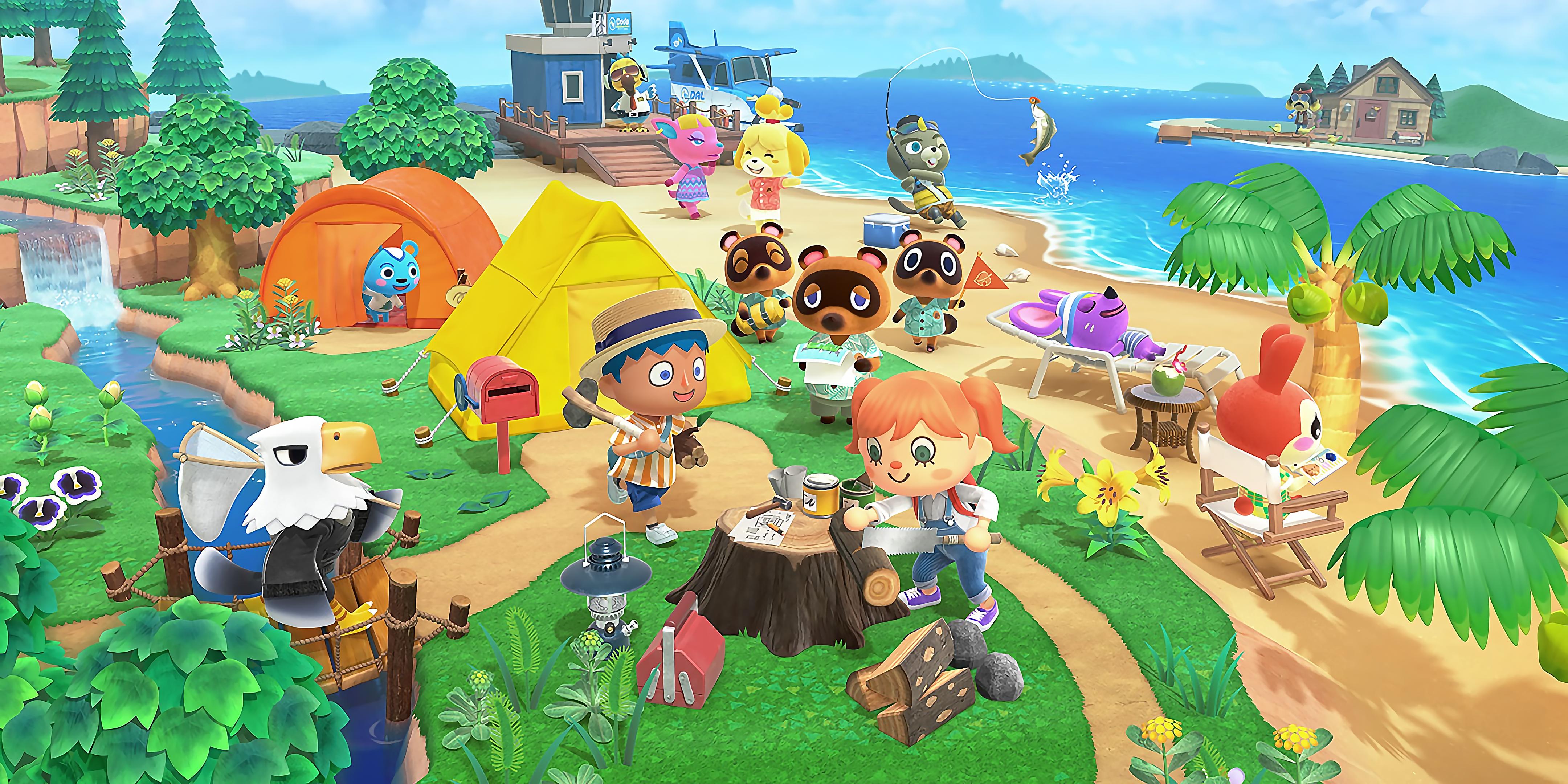

Animal Crossing: New Horizons, one of Nintendo’s most beloved life simulation games, has captivated millions since its original 2020 debut on the Nintendo Switch.
Now, the game welcomes even more players with the release of the Animal Crossing: New Horizons Nintendo Switch 2 Edition, offering newcomers and veterans fresh reasons to revisit their islands.
Among the many unique activities is dealing with Jolly Redd, a shifty fox who sells rare artwork — both genuine and forged.
Being able to distinguish between authentic and fake paintings and statues is essential for expanding your island’s museum, curated by the wise owl Blathers.
Unlocking the Museum Art Gallery
To begin collecting art, players must first initiate a conversation with Blathers in the Museum.
Recognizing your dedication to the island’s cultural enrichment, Blathers will excitedly announce the expansion of the Museum to now include an art gallery.
This new section allows you to display fine works of art, provided you can present an authentic piece for donation.
Meeting Jolly Redd
From the following day, Jolly Redd—referred to as a suspicious figure by your morning announcer, Isabelle—will start making his appearance off the northern shore in his Treasure Trawler.
After your first encounter, Redd will attempt to sell you art at an eye-watering price of 498,000 Bells, before dramatically lowering it to a much more reasonable 4,980 Bells with his so-called 'Cousin’s Discount.' This initial purchase is guaranteed to be genuine and is needed to unlock the art gallery for your Museum.
After donating the first artwork, Redd’s ship will occasionally dock at your island’s hidden beach.
There, you’ll have the chance to buy more paintings and statues — but beware, because not every item on offer is the real deal.
How to Identify Fake Statues
Redd’s statues are based on famous historical pieces.
Learn to spot forgeries by checking these details:
- Ancient Statue (Jōmon period Shakōki-dogū): Fakes have antennae.
- Beautiful Statue (Venus de Milo): Fakes wear necklaces.
- Gallant Statue (David by Michelangelo): Fakes hold a cloth in the right hand.
- Informative Statue (Rosetta Stone): Fakes are blue.
- Motherly Statue (Capitoline Wolf): Fakes show a visible tongue.
- Robust Statue (Discobolus by Myron): Fakes sport a wristband.
- Rock-head Statue (Olmec Colossal Head): Fakes have a subtle smile.
- Tremendous Statue (Houmuwu Ding): Fakes have a lid.
- Warrior Statue (Terracotta Army): Fakes hold a shovel.
- Valiant Statue (Nike of Samothrace): Fakes have altered position or angle.
How to Spot Fake Paintings
Paintings also contain subtle discrepancies.
Key differences include:
- Academic Painting (Vitruvian Man): Fakes show a coffee stain.
- Amazing Painting (The Night Watch): Fakes lack the hat on the man in the red sash.
- Basic Painting (The Blue Boy): Fakes have a fuller fringe.
- Detailed Painting (Ajisai Sōkeizu): Fakes display purple leaves.
- Famous Painting (Mona Lisa): Fakes have dramatically arched eyebrows.
- Graceful Painting (Beauty Looking Back): Fakes depict an elongated figure.
- Jolly Painting (Summer): Fakes omit a flower on the chest.
- Moving Painting (The Birth of Venus): Fakes are missing trees in the top-right.
- Quaint Painting (The Milkmaid): Fakes show excessive pouring of milk.
- Scary Painting (Ōtani Oniji III): Fakes have upward-pointing eyebrows.
- Scenic Painting (The Hunters in the Snow): Fakes have fewer hunters and dogs.
- Serene Painting (Lady with an Ermine): Fakes replace the animal’s fur with gray.
- Solemn Painting (Las Meninas): Fakes depict the man at the door waving.
- Wild Painting (both halves): Fakes alter the skin color of Fūjin or Raijin.
- Wistful Painting (Girl with a Pearl Earring): Fakes have her wear a star-shaped earring.
Expanding Your Collection
By learning these indicators and making informed purchases, you can confidently help Blathers fill out the Museum’s art collection and become the island’s premier patron of fine art.
Animal Crossing: New Horizons Nintendo Switch 2 Edition continues to blend real-world masterpieces with its whimsical gameplay, reminding players to be both collectors and careful critics.
For fans and new players alike, staying vigilant during your dealings with Jolly Redd will ensure your Museum is filled only with authentic treasures.
Now, the game welcomes even more players with the release of the Animal Crossing: New Horizons Nintendo Switch 2 Edition, offering newcomers and veterans fresh reasons to revisit their islands.
Among the many unique activities is dealing with Jolly Redd, a shifty fox who sells rare artwork — both genuine and forged.
Being able to distinguish between authentic and fake paintings and statues is essential for expanding your island’s museum, curated by the wise owl Blathers.
Unlocking the Museum Art Gallery
To begin collecting art, players must first initiate a conversation with Blathers in the Museum.
Recognizing your dedication to the island’s cultural enrichment, Blathers will excitedly announce the expansion of the Museum to now include an art gallery.
This new section allows you to display fine works of art, provided you can present an authentic piece for donation.
Meeting Jolly Redd
From the following day, Jolly Redd—referred to as a suspicious figure by your morning announcer, Isabelle—will start making his appearance off the northern shore in his Treasure Trawler.
After your first encounter, Redd will attempt to sell you art at an eye-watering price of 498,000 Bells, before dramatically lowering it to a much more reasonable 4,980 Bells with his so-called 'Cousin’s Discount.' This initial purchase is guaranteed to be genuine and is needed to unlock the art gallery for your Museum.
After donating the first artwork, Redd’s ship will occasionally dock at your island’s hidden beach.
There, you’ll have the chance to buy more paintings and statues — but beware, because not every item on offer is the real deal.
How to Identify Fake Statues
Redd’s statues are based on famous historical pieces.
Learn to spot forgeries by checking these details:
- Ancient Statue (Jōmon period Shakōki-dogū): Fakes have antennae.
- Beautiful Statue (Venus de Milo): Fakes wear necklaces.
- Gallant Statue (David by Michelangelo): Fakes hold a cloth in the right hand.
- Informative Statue (Rosetta Stone): Fakes are blue.
- Motherly Statue (Capitoline Wolf): Fakes show a visible tongue.
- Robust Statue (Discobolus by Myron): Fakes sport a wristband.
- Rock-head Statue (Olmec Colossal Head): Fakes have a subtle smile.
- Tremendous Statue (Houmuwu Ding): Fakes have a lid.
- Warrior Statue (Terracotta Army): Fakes hold a shovel.
- Valiant Statue (Nike of Samothrace): Fakes have altered position or angle.
How to Spot Fake Paintings
Paintings also contain subtle discrepancies.
Key differences include:
- Academic Painting (Vitruvian Man): Fakes show a coffee stain.
- Amazing Painting (The Night Watch): Fakes lack the hat on the man in the red sash.
- Basic Painting (The Blue Boy): Fakes have a fuller fringe.
- Detailed Painting (Ajisai Sōkeizu): Fakes display purple leaves.
- Famous Painting (Mona Lisa): Fakes have dramatically arched eyebrows.
- Graceful Painting (Beauty Looking Back): Fakes depict an elongated figure.
- Jolly Painting (Summer): Fakes omit a flower on the chest.
- Moving Painting (The Birth of Venus): Fakes are missing trees in the top-right.
- Quaint Painting (The Milkmaid): Fakes show excessive pouring of milk.
- Scary Painting (Ōtani Oniji III): Fakes have upward-pointing eyebrows.
- Scenic Painting (The Hunters in the Snow): Fakes have fewer hunters and dogs.
- Serene Painting (Lady with an Ermine): Fakes replace the animal’s fur with gray.
- Solemn Painting (Las Meninas): Fakes depict the man at the door waving.
- Wild Painting (both halves): Fakes alter the skin color of Fūjin or Raijin.
- Wistful Painting (Girl with a Pearl Earring): Fakes have her wear a star-shaped earring.
Expanding Your Collection
By learning these indicators and making informed purchases, you can confidently help Blathers fill out the Museum’s art collection and become the island’s premier patron of fine art.
Animal Crossing: New Horizons Nintendo Switch 2 Edition continues to blend real-world masterpieces with its whimsical gameplay, reminding players to be both collectors and careful critics.
For fans and new players alike, staying vigilant during your dealings with Jolly Redd will ensure your Museum is filled only with authentic treasures.