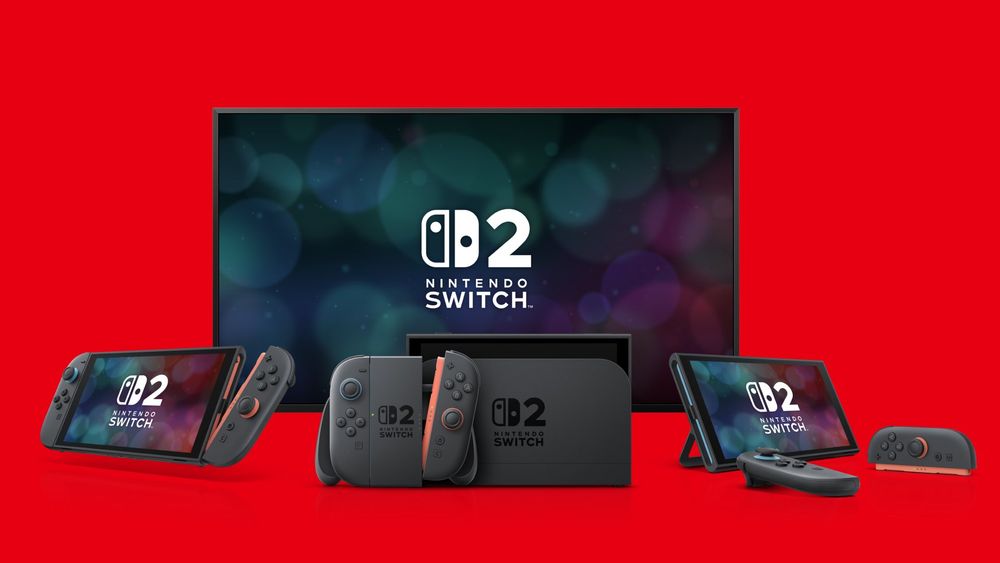
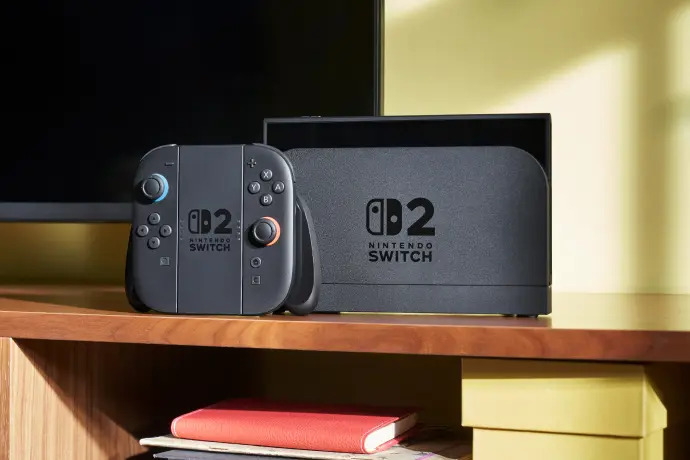
Nintendo Switch 2, the highly anticipated next-generation console from Nintendo, continues to make headlines as details emerge about its global and regional release strategies.
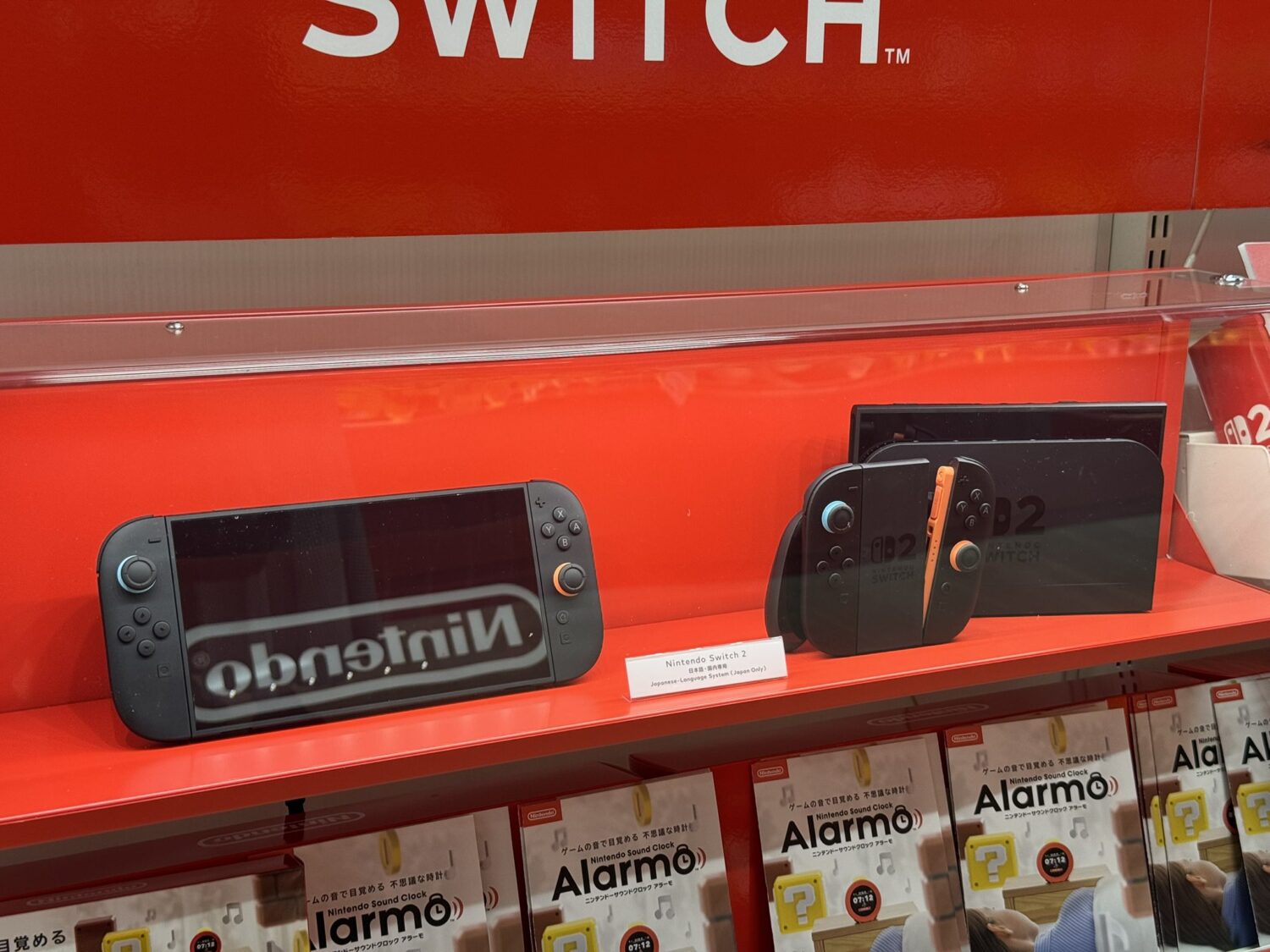
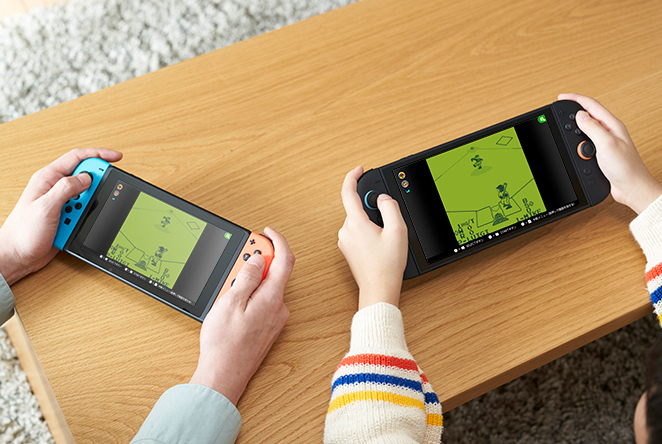
While the standard Nintendo Switch 2 model is set for a worldwide launch, a unique, cost-effective version has been released exclusively for the Japanese market.
This model, designed to appeal to budget-conscious consumers, is now under scrutiny due to its financial implications for Nintendo.
Toyo Securities analyst Hideki Yasuda has reported that the Japan-only Nintendo Switch 2 model is currently generating a substantial loss per unit.
Priced lower than the standard offering, this variant has quickly become a favorite among Japanese gamers since its debut, thanks to its more accessible price point.
However, Yasuda’s latest findings indicate that the costs associated with manufacturing the device exceed its retail price by approximately $160 for each unit sold.
"The negative margin for the Japanese-specific Nintendo Switch 2 model is expanding as current production expenses outpace its selling price," Yasuda observed in his recent analysis.
He further highlighted that the profitability situation is worsening each time a console is sold under the current pricing structure.
The success of the model in the region is thus accompanied by mounting financial pressure on Nintendo, raising concerns about the console’s sustainability as a value proposition.
Yasuda concluded his assessment by advocating for decisive action from Nintendo.
He suggests that the company should either consider revising the price of the Japan-exclusive Nintendo Switch 2 model or explore the introduction of new custom design variants to address the ongoing loss and restore profitability.
These recommendations are grounded in Nintendo’s long-standing reputation for hardware innovation and prudent business practices, as seen in previous hardware generations like the Nintendo Switch and Nintendo Switch Lite.
The Nintendo Switch 2 has already generated significant anticipation among fans and industry analysts alike, with Nintendo historically leveraging regional models to cater to diverse market preferences.
Since the original Nintendo Switch’s launch in March 2017, the company has surpassed 125 million console sales globally and expanded its reach through the Nintendo eShop and successful Nintendo Direct presentations.
However, reports like Yasuda’s illustrate the complex balance between market accessibility and financial viability, particularly in hardware manufacturing.
As Nintendo evaluates its hardware strategy for the next generation, the company’s response to Japan’s pricing dilemma could set a pivotal precedent for future console launches.
Industry watchers and Switch enthusiasts alike will be monitoring how Nintendo navigates the challenge of maintaining affordability for consumers while ensuring long-term profitability.
While the standard Nintendo Switch 2 model is set for a worldwide launch, a unique, cost-effective version has been released exclusively for the Japanese market.
This model, designed to appeal to budget-conscious consumers, is now under scrutiny due to its financial implications for Nintendo.
Toyo Securities analyst Hideki Yasuda has reported that the Japan-only Nintendo Switch 2 model is currently generating a substantial loss per unit.
Priced lower than the standard offering, this variant has quickly become a favorite among Japanese gamers since its debut, thanks to its more accessible price point.
However, Yasuda’s latest findings indicate that the costs associated with manufacturing the device exceed its retail price by approximately $160 for each unit sold.
"The negative margin for the Japanese-specific Nintendo Switch 2 model is expanding as current production expenses outpace its selling price," Yasuda observed in his recent analysis.
He further highlighted that the profitability situation is worsening each time a console is sold under the current pricing structure.
The success of the model in the region is thus accompanied by mounting financial pressure on Nintendo, raising concerns about the console’s sustainability as a value proposition.
Yasuda concluded his assessment by advocating for decisive action from Nintendo.
He suggests that the company should either consider revising the price of the Japan-exclusive Nintendo Switch 2 model or explore the introduction of new custom design variants to address the ongoing loss and restore profitability.
These recommendations are grounded in Nintendo’s long-standing reputation for hardware innovation and prudent business practices, as seen in previous hardware generations like the Nintendo Switch and Nintendo Switch Lite.
The Nintendo Switch 2 has already generated significant anticipation among fans and industry analysts alike, with Nintendo historically leveraging regional models to cater to diverse market preferences.
Since the original Nintendo Switch’s launch in March 2017, the company has surpassed 125 million console sales globally and expanded its reach through the Nintendo eShop and successful Nintendo Direct presentations.
However, reports like Yasuda’s illustrate the complex balance between market accessibility and financial viability, particularly in hardware manufacturing.
As Nintendo evaluates its hardware strategy for the next generation, the company’s response to Japan’s pricing dilemma could set a pivotal precedent for future console launches.
Industry watchers and Switch enthusiasts alike will be monitoring how Nintendo navigates the challenge of maintaining affordability for consumers while ensuring long-term profitability.