Nintendo has long been known for its innovative hardware and strategic market maneuvers, and the launch of the Nintendo Switch 2 is no exception.
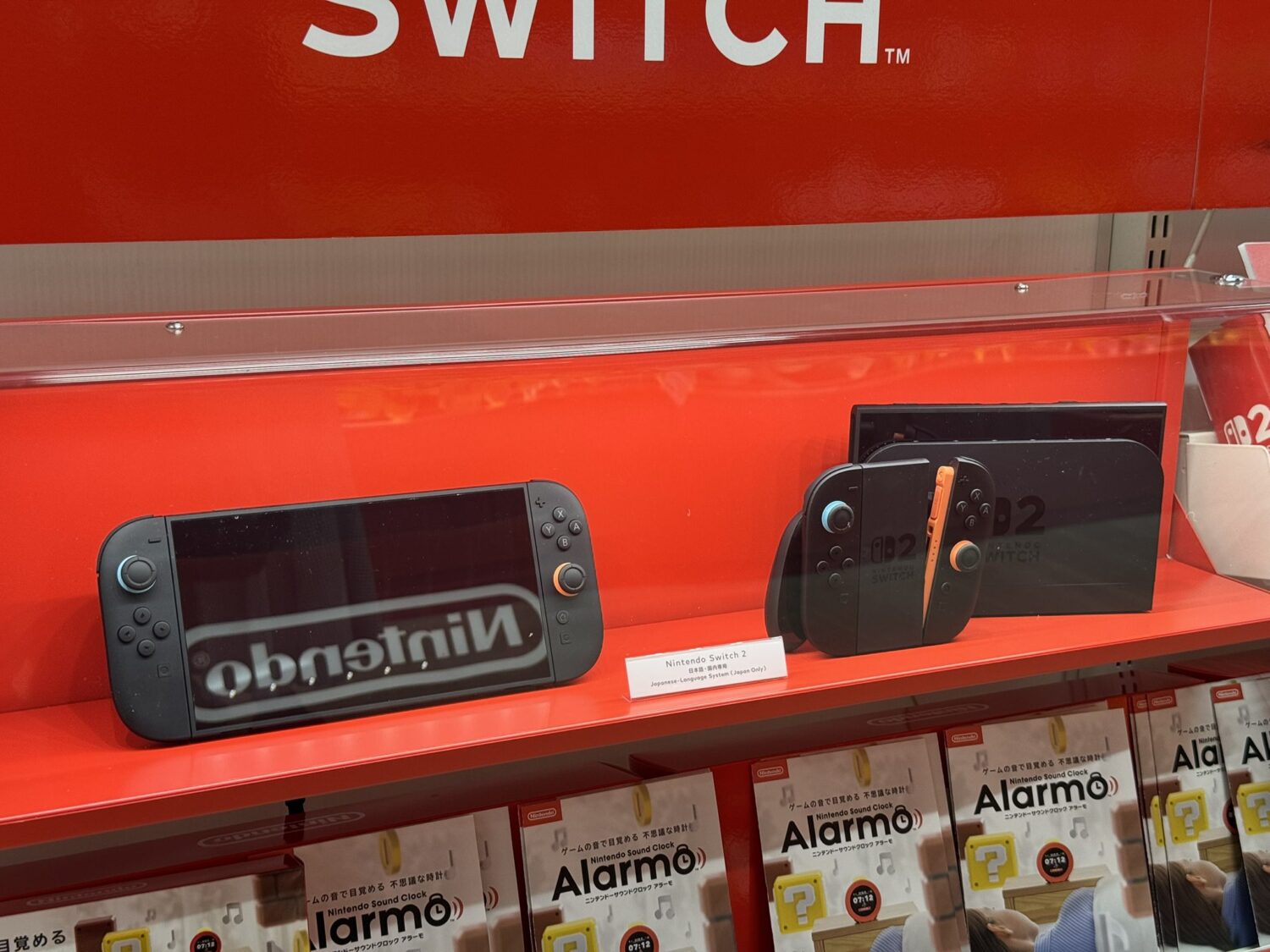
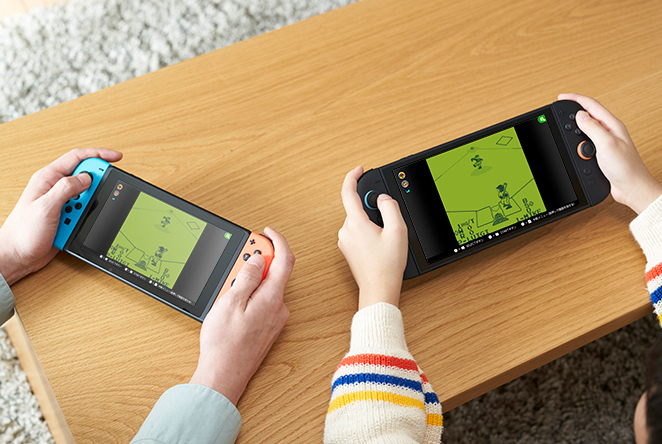
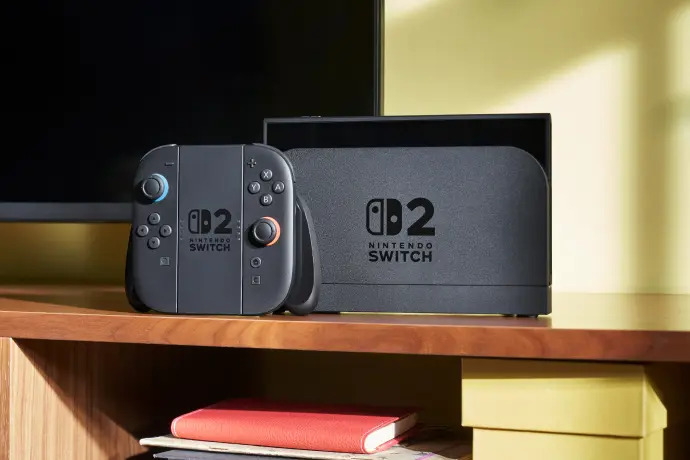
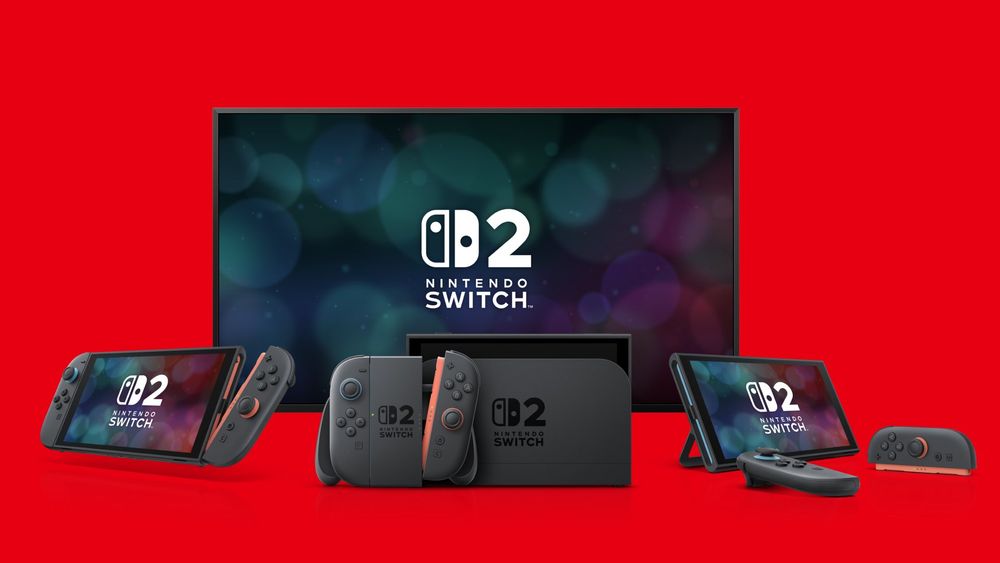
In an effort to address economic challenges in its home market, Nintendo announced the release of a Japan-exclusive version of the Switch 2 in late 2023.
This console offers a more affordable entry point for consumers in Japan but is region-locked to only play Japanese game cards, limiting its compatibility compared to global models.
The move comes at a pivotal time for Nintendo, as Japan has been grappling with a weak yen and rising inflation.
By introducing a lower-priced console, Nintendo aims to make the latest gaming hardware accessible to a wider audience—a strategy that appears to have paid off in volume, with many Japanese consumers now able to own the new system.
However, concerns have emerged regarding the console’s financial impact on Nintendo’s bottom line.
Toyo Securities analyst Hideki Yasuda provided insight into this dynamic, highlighting a significant gap between strong unit sales and the company's profitability.
He explained that Nintendo’s profit margins have declined since the launch of the Japan-only Switch 2 due to its production and retail cost structure.
According to Yasuda, the Switch 2 is estimated to cost approximately $400 USD to manufacture, but is being sold in Japan for only $330 USD—a difference of about $70 USD per unit.
He estimates that, after accounting for additional expenses, Nintendo may be losing around $160 USD on each Japan-only Switch 2 sold.
"The negative margin associated with the Japan-exclusive model is diminishing Nintendo's overall profitability," Yasuda stated.
"If this trend continues, the company’s profit margins will face further pressure with every additional unit sold in Japan."
To address these concerns, Yasuda suggests that Nintendo should consider raising the price of the Switch 2 in the Japanese market or introduce special custom models that could command a premium.
These strategies, he argues, could help restore profitability without sacrificing accessibility for price-sensitive consumers.
Since its launch, the Nintendo Switch 2 has attracted significant attention and achieved strong sales, both in Japan and worldwide via platforms like the Nintendo eShop and through global Nintendo Direct presentations.
Nintendo’s approach to regional pricing and hardware exclusivity is seen by industry observers as both an opportunity to strengthen its domestic market presence and a challenge for sustaining long-term financial growth.
As the company evaluates its strategy moving forward, the performance of the Japan-only Switch 2 could provide important lessons for pricing and market segmentation within the video game console industry.
In an effort to address economic challenges in its home market, Nintendo announced the release of a Japan-exclusive version of the Switch 2 in late 2023.
This console offers a more affordable entry point for consumers in Japan but is region-locked to only play Japanese game cards, limiting its compatibility compared to global models.
The move comes at a pivotal time for Nintendo, as Japan has been grappling with a weak yen and rising inflation.
By introducing a lower-priced console, Nintendo aims to make the latest gaming hardware accessible to a wider audience—a strategy that appears to have paid off in volume, with many Japanese consumers now able to own the new system.
However, concerns have emerged regarding the console’s financial impact on Nintendo’s bottom line.
Toyo Securities analyst Hideki Yasuda provided insight into this dynamic, highlighting a significant gap between strong unit sales and the company's profitability.
He explained that Nintendo’s profit margins have declined since the launch of the Japan-only Switch 2 due to its production and retail cost structure.
According to Yasuda, the Switch 2 is estimated to cost approximately $400 USD to manufacture, but is being sold in Japan for only $330 USD—a difference of about $70 USD per unit.
He estimates that, after accounting for additional expenses, Nintendo may be losing around $160 USD on each Japan-only Switch 2 sold.
"The negative margin associated with the Japan-exclusive model is diminishing Nintendo's overall profitability," Yasuda stated.
"If this trend continues, the company’s profit margins will face further pressure with every additional unit sold in Japan."
To address these concerns, Yasuda suggests that Nintendo should consider raising the price of the Switch 2 in the Japanese market or introduce special custom models that could command a premium.
These strategies, he argues, could help restore profitability without sacrificing accessibility for price-sensitive consumers.
Since its launch, the Nintendo Switch 2 has attracted significant attention and achieved strong sales, both in Japan and worldwide via platforms like the Nintendo eShop and through global Nintendo Direct presentations.
Nintendo’s approach to regional pricing and hardware exclusivity is seen by industry observers as both an opportunity to strengthen its domestic market presence and a challenge for sustaining long-term financial growth.
As the company evaluates its strategy moving forward, the performance of the Japan-only Switch 2 could provide important lessons for pricing and market segmentation within the video game console industry.