


Intro
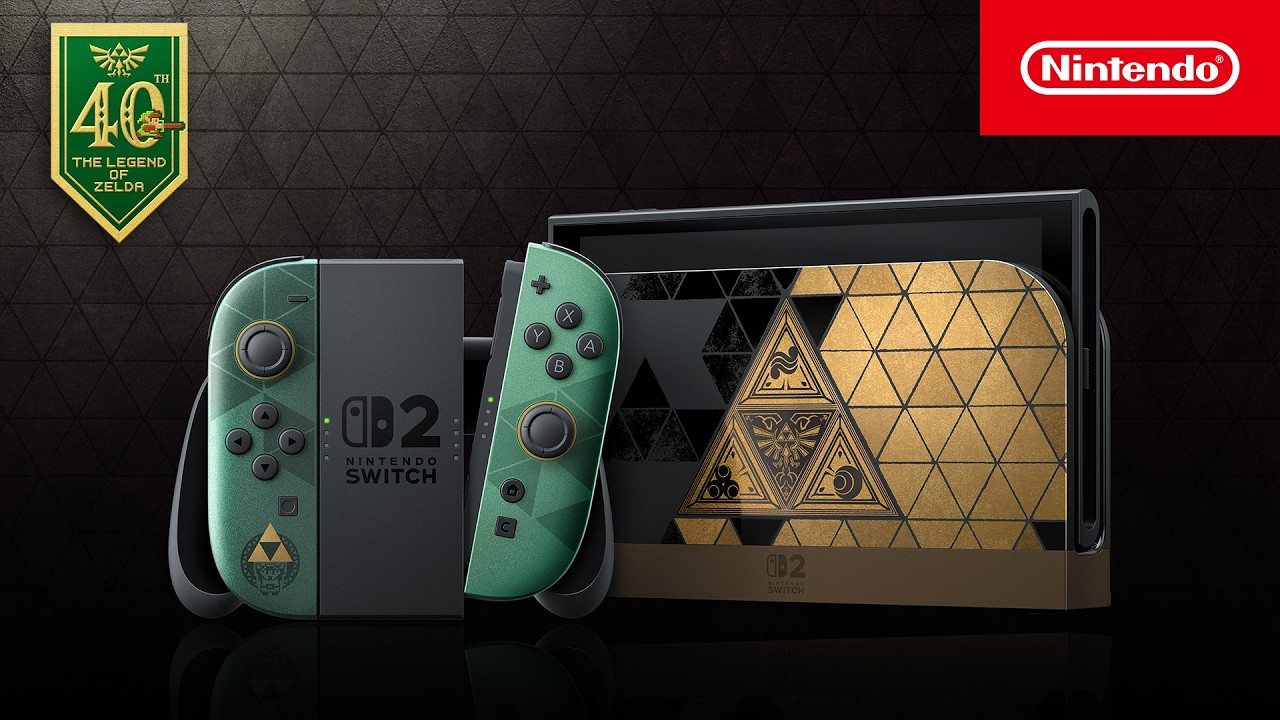
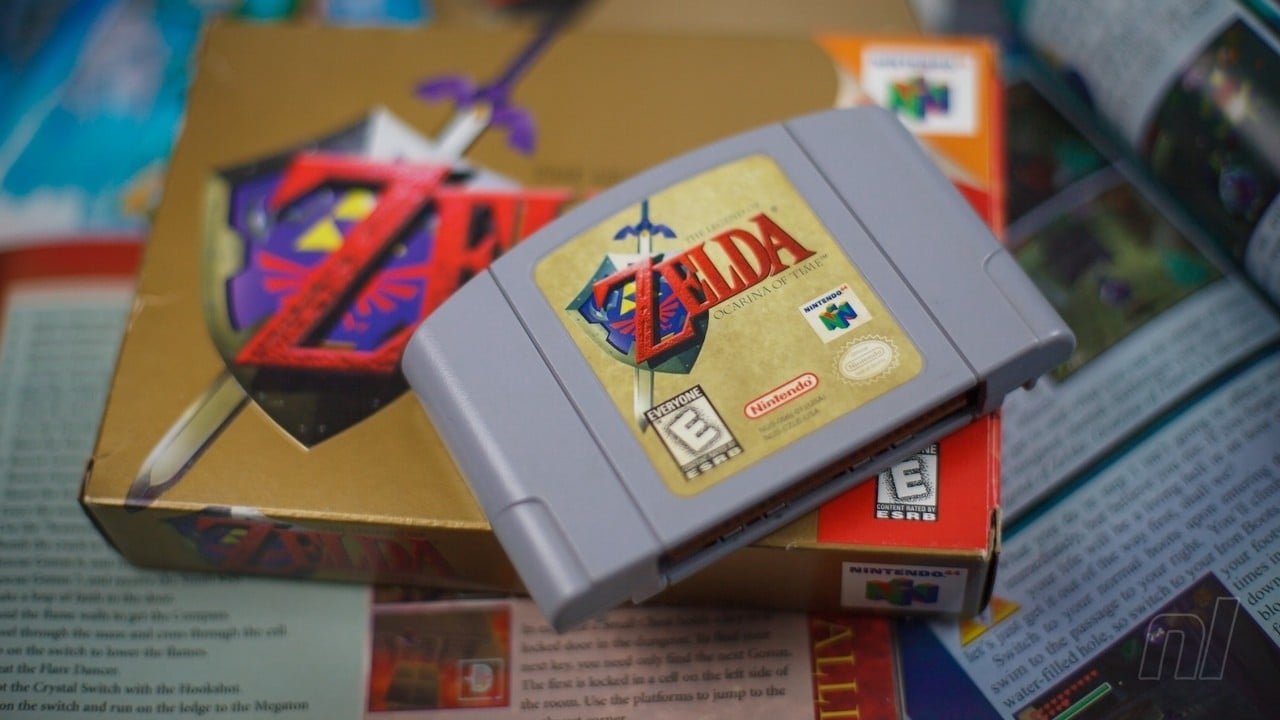
The Legend of Zelda: Ocarina of Time remake for Nintendo Switch 2 arrives November 5, 2026, bringing Nintendo's reimagining of its classic 1998 adventure to modern hardware.
Ahead of launch, a hands-on video from YouTuber Zeltik offers a detailed look at expanded options and control schemes that update the N64 and 3DS iterations while giving players more ways to tailor their experience.
Controls and input
Zeltik’s preview demonstrates how the remake maps legacy mechanics to Switch 2 hardware.
Z-targeting is assigned to the ZL trigger, the Quick Select item bar is navigated with L and R, and the ZR trigger uses the currently equipped item.
The preview also shows a dedicated Special Actions page listing combat maneuvers such as roll attack, backflip, and jump attack.
Key quality-of-life options
The remake’s options menu includes modern toggles and accessibility features familiar to current players:
- Camera and aim: players can invert horizontal and vertical axes and adjust camera rotation speed.
Motion control aiming can be enabled or disabled.
- Targeting mode: ZL-targeting supports both hold and toggle behavior, letting players hold ZL to maintain lock-on or tap once to lock and tap again to release.
- Button remapping: jump and attack can be swapped for player comfort.
- Ocarina input: a mic input option, detailed during a Nintendo Direct, lets players hum or whistle songs into the Switch 2 microphone.
The game can also accept audio from an external instrument.
Third-party peripheral maker HORI is producing an electric Ocarina compatible with the game; that accessory is currently listed as sold out on Nintendo’s online store.
Ocarina play modes mirror past releases: players can opt for a two-handed arrangement like Ocarina of Time 3D or a one-handed layout that mimics the original N64 controls.
Button-based input remains available, with options to remap which buttons correspond to ocarina notes.
HUD and display presets
The remake offers three HUD presets to suit different preferences.
Normal displays full UI elements including control reminders, the selected item, and Link’s Hearts.
Pro HUD reduces on-screen information to a minimal set, removing most nonessential elements.
Master mode removes all non-diegetic UI, eliminating visual aids such as the lock-on indicator for players who want a fully immersive, in-world presentation.
Additional options
Other configurable settings include subtitle toggles with character name indicators, voice language selection, and controller vibration adjustments.
These options reflect Nintendo’s effort to modernize the experience while preserving the core design of Ocarina of Time.
Conclusion
Between the updated control mapping, robust accessibility toggles, and flexible ocarina input options, Nintendo’s Switch 2 remake aims to offer both fidelity to the original and modern customization.
With the November 5, 2026 launch date confirmed, players have a clear picture of the options they can expect when the reimagined Hyrule arrives.