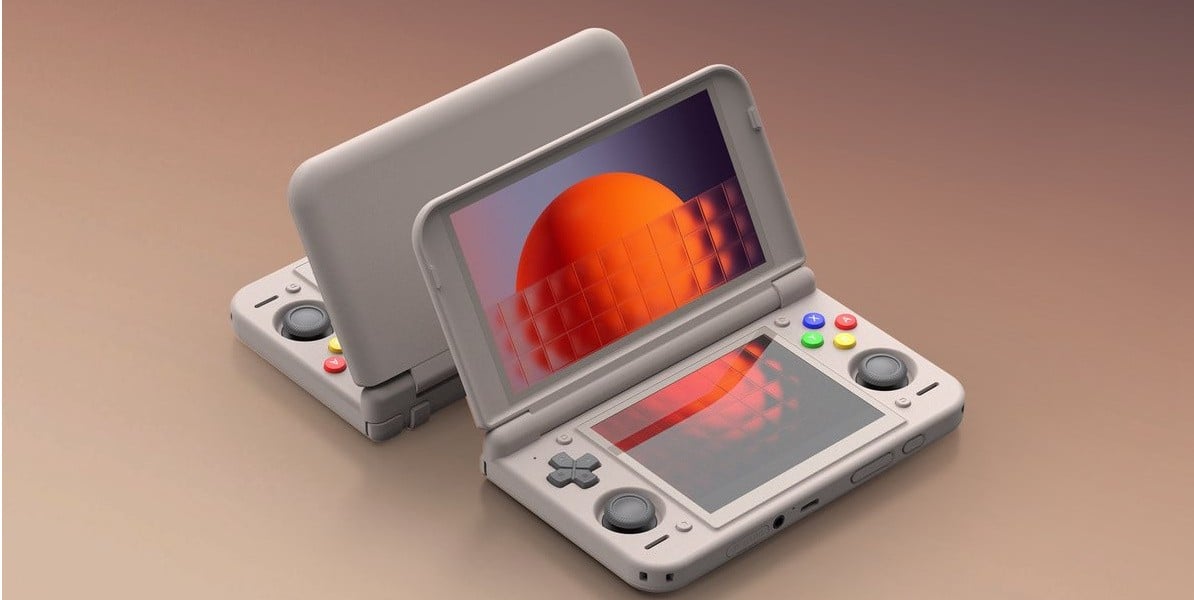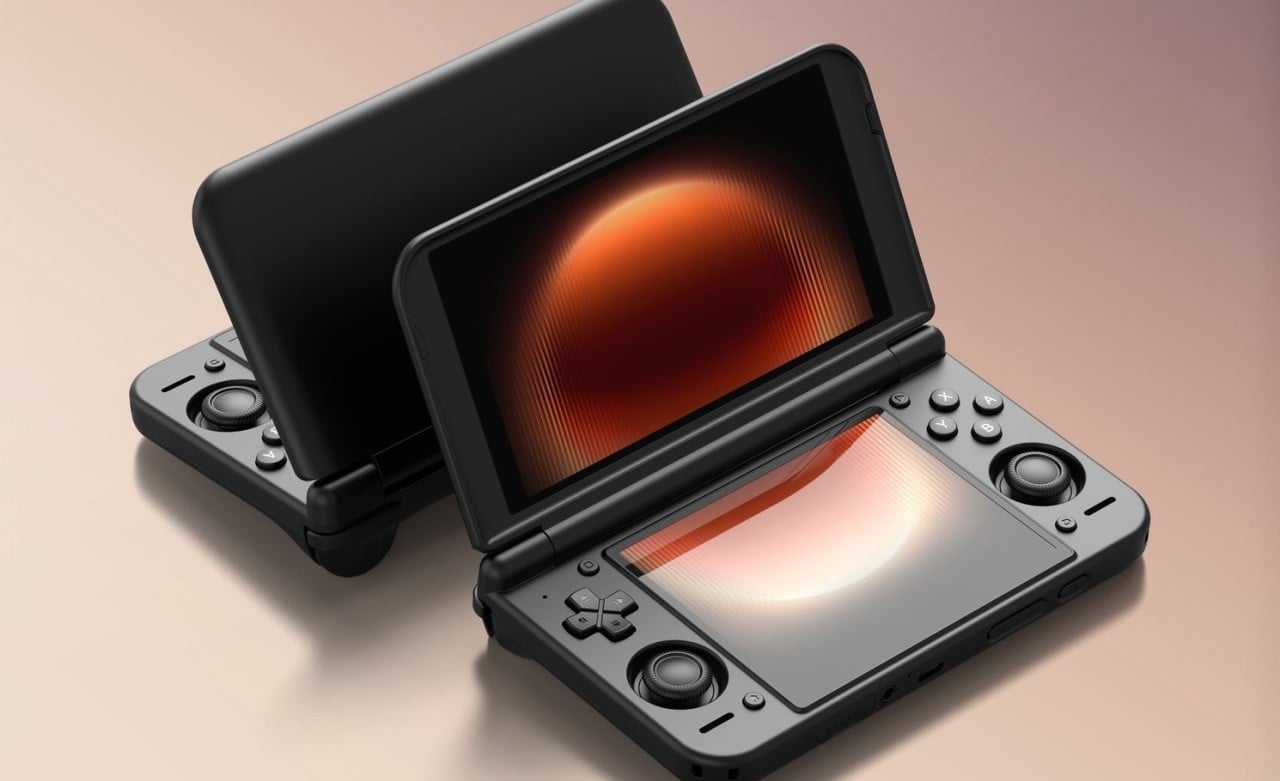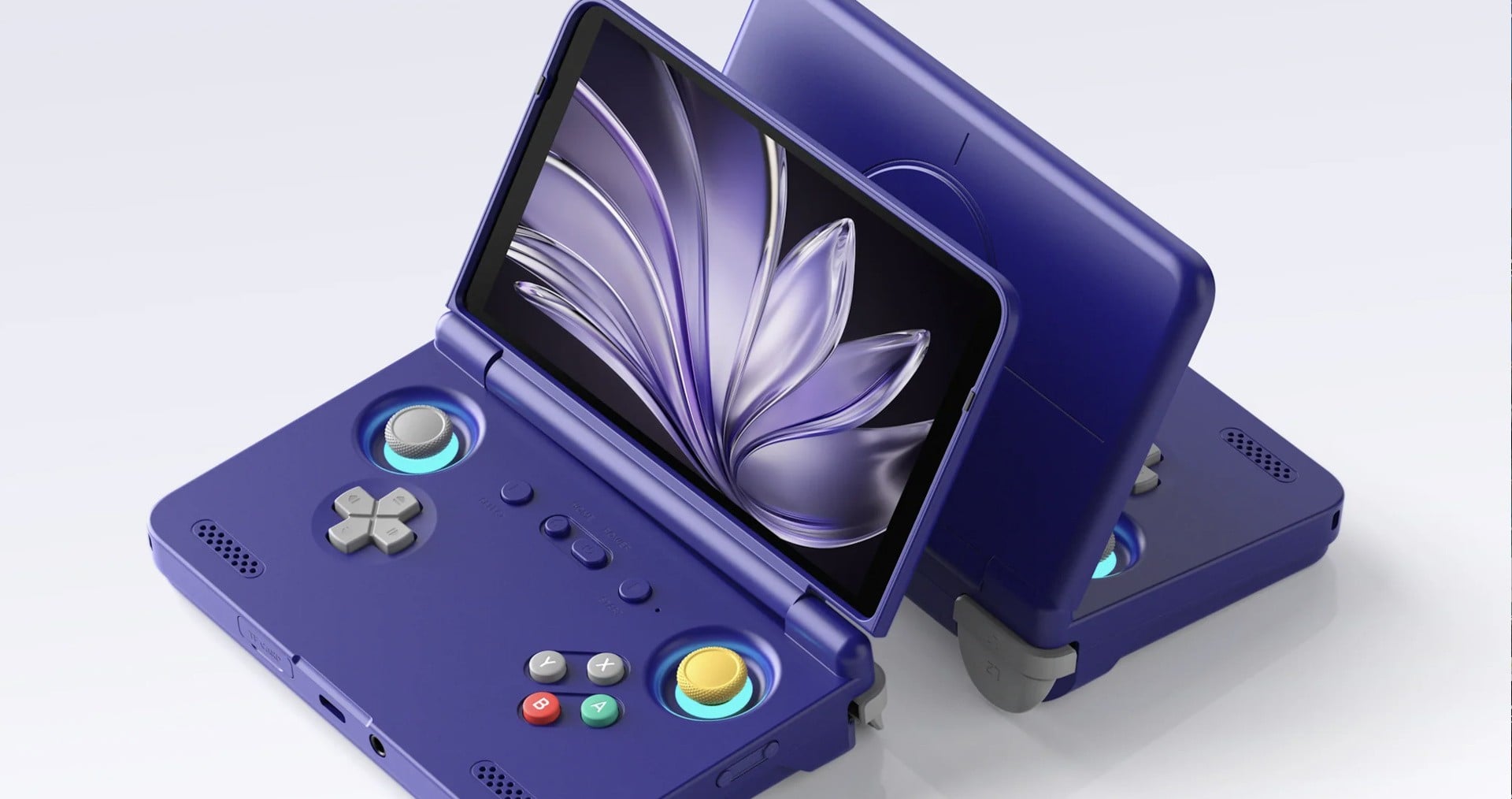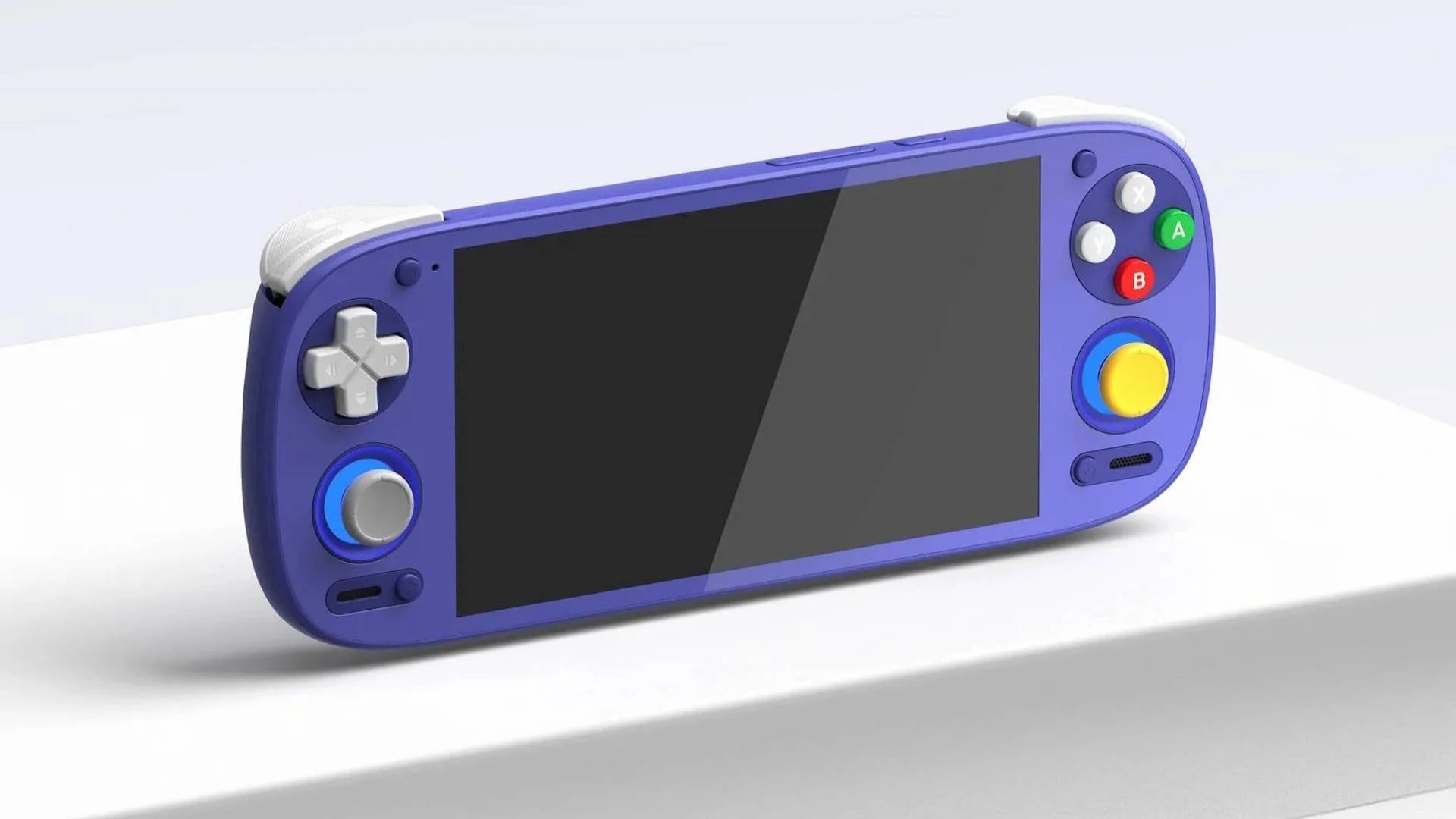

Retroid, a leading developer of emulation handheld devices, has announced an early end to its Retroid Pocket 6 pre-order pricing, citing the ongoing global RAM shortage as the primary cause.
The decision underscores the broader challenges facing the electronics industry as unprecedented demand for GPUs and associated memory chips by AI technology firms continues to grow.
The shortage of DRAM, a critical component in both consumer electronics and high-performance computing, has intensified dramatically in recent months.
This escalation is primarily driven by tech industry leaders such as OpenAI, which recently disclosed plans to secure approximately 40% of the world's raw DRAM wafer output through 2029.
These wafers undergo further processing before becoming usable RAM chips, but their mass acquisition by companies fueling the artificial intelligence boom is putting pressure on supply chains across the board.
"Due to ongoing RAM shortages, we have made the difficult decision to end our special pre-order pricing for the Retroid Pocket 6 ahead of schedule," a representative from Retroid said in a recent statement.
The company emphasized its commitment to quality but noted the unpredictability in securing sufficient memory supplies at affordable prices.
This industry-wide component scarcity is not limited to emulation consoles alone.
The ripple effects extend to smartphones, laptops, and other consumer electronics, with potential consequences such as lower standard RAM configurations or increased retail prices.
Industry analysts predict that consumers could see devices revert to specifications last common several years ago, such as smartphones standardizing at 4GB of RAM, unless production capacities expand or demand stabilizes.
The Nintendo Switch, known for its efficient hardware design and diverse eShop library, is not immune to market fluctuations in memory pricing.
While Nintendo has historically relied on well-established supply chains, ongoing pressures within the semiconductor market could influence hardware costs and availability for future handhelds or variants of the Switch platform.
Despite AI technology's growing influence, its massive resource consumption has yet to yield substantial profitability for many deploying firms.
Gartner reports that some of the sector's largest players, including OpenAI, continue operating at a loss while driving global demand for high-performance GPUs and memory.
For handheld gaming enthusiasts and consumers alike, the current trend signals a challenging landscape.
Devices like the Retroid Pocket 6, which rely on affordable, high-capacity RAM for robust emulation performance, may either see prices rise or hardware capabilities constrained.
As Retroid joins the first wave of manufacturers responding to these economic realities, the gaming community is likely to feel the effects well into 2026 and beyond, across multiple platforms and devices.
As the technology sector grapples with balancing AI-driven innovation and sustainable supply chains, companies and consumers must remain vigilant about shifts in hardware pricing and availability.
For now, Retroid's announcement serves as a stark reminder of the interconnectedness of modern tech, gaming hardware, and the global demand for memory chips.
The decision underscores the broader challenges facing the electronics industry as unprecedented demand for GPUs and associated memory chips by AI technology firms continues to grow.
The shortage of DRAM, a critical component in both consumer electronics and high-performance computing, has intensified dramatically in recent months.
This escalation is primarily driven by tech industry leaders such as OpenAI, which recently disclosed plans to secure approximately 40% of the world's raw DRAM wafer output through 2029.
These wafers undergo further processing before becoming usable RAM chips, but their mass acquisition by companies fueling the artificial intelligence boom is putting pressure on supply chains across the board.
"Due to ongoing RAM shortages, we have made the difficult decision to end our special pre-order pricing for the Retroid Pocket 6 ahead of schedule," a representative from Retroid said in a recent statement.
The company emphasized its commitment to quality but noted the unpredictability in securing sufficient memory supplies at affordable prices.
This industry-wide component scarcity is not limited to emulation consoles alone.
The ripple effects extend to smartphones, laptops, and other consumer electronics, with potential consequences such as lower standard RAM configurations or increased retail prices.
Industry analysts predict that consumers could see devices revert to specifications last common several years ago, such as smartphones standardizing at 4GB of RAM, unless production capacities expand or demand stabilizes.
The Nintendo Switch, known for its efficient hardware design and diverse eShop library, is not immune to market fluctuations in memory pricing.
While Nintendo has historically relied on well-established supply chains, ongoing pressures within the semiconductor market could influence hardware costs and availability for future handhelds or variants of the Switch platform.
Despite AI technology's growing influence, its massive resource consumption has yet to yield substantial profitability for many deploying firms.
Gartner reports that some of the sector's largest players, including OpenAI, continue operating at a loss while driving global demand for high-performance GPUs and memory.
For handheld gaming enthusiasts and consumers alike, the current trend signals a challenging landscape.
Devices like the Retroid Pocket 6, which rely on affordable, high-capacity RAM for robust emulation performance, may either see prices rise or hardware capabilities constrained.
As Retroid joins the first wave of manufacturers responding to these economic realities, the gaming community is likely to feel the effects well into 2026 and beyond, across multiple platforms and devices.
As the technology sector grapples with balancing AI-driven innovation and sustainable supply chains, companies and consumers must remain vigilant about shifts in hardware pricing and availability.
For now, Retroid's announcement serves as a stark reminder of the interconnectedness of modern tech, gaming hardware, and the global demand for memory chips.