
Recent Developments Shed Light on the Original Developers of Konami’s Arcade Classic Frogger
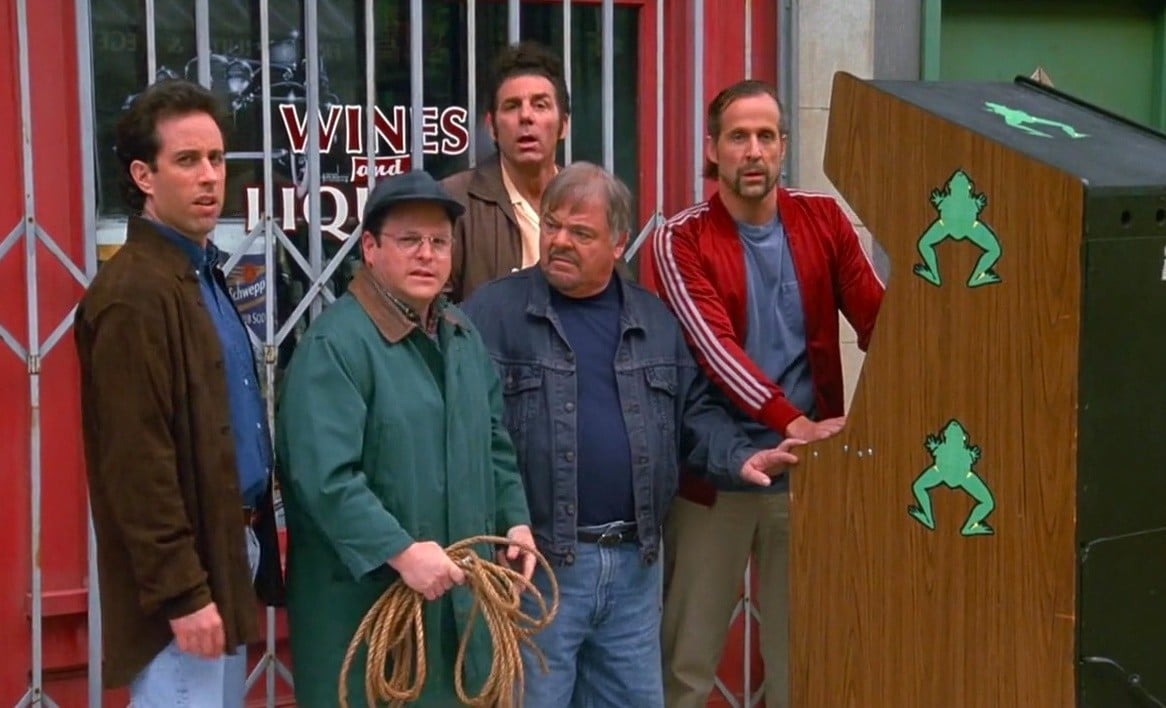
Since its 1981 debut, Frogger has held a prominent place as one of Konami’s most iconic arcade releases, earning a spot in pop culture thanks to references on shows like Seinfeld and a sustained legacy through ports to Nintendo hardware, including the Nintendo Switch eShop.
Yet, the identities of the game’s key developers have long remained shrouded in mystery—a result of early arcade industry practices that often omitted individual credits to prevent staff poaching.
This longstanding enigma was recently addressed thanks to Yuji Takenouchi, a former Konami sound designer.
Takenouchi took to social media earlier this year, reaching out to peers to compile a more complete list of team members behind the original Frogger.
The discovery, first highlighted by the Game Developer Research Institute (GDRI), fills important gaps in the game’s development history and largely supports recollections provided in a 2022 interview with Masahiro Inoue, another former Konami programmer.
Takenouchi’s updated list, translated by Kevin Bunch of the Atari Archive, identifies key personnel:
- Leader (Director): Takeshi Hara
- Programmers: Takeshi Hara, Takahide Hoso, Keiichi Miyoshi (part-time)
- Sound: Takahide Hoso, Hirokazu Fujinaka, Shigeru Fukutake, Masahiro Inoue
- Graphics: Unknown
Notably absent is any mention of Takahide Harima, though Takahide Hoso is listed as both a programmer and sound contributor.
To verify these details, correspondence was revisited with Inoue, who confirmed the kanji characters for the name in question and maintained that Takahide Harima is the correct reading.
This small but significant nuance reflects the complexity of tracking developer credits from this era of Konami’s arcade history.
Another persistent mystery is the identity of Frogger’s graphic designer, still uncredited more than four decades later.
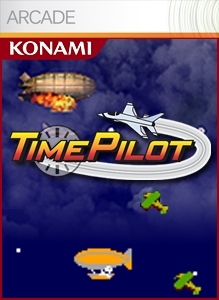
Nevertheless, the recovered names provide overdue recognition for those who shaped the title, echoing their contributions to other classics like Video Hustler (1981), Time Pilot (1982), and Gyruss (1983).
Adding to the intrigue are longstanding internet myths about Frogger’s origins.
Multiple online sources have repeated the story of Konami staffer Akira Hashimoto conceiving Frogger’s concept after witnessing a frog cross a bustling road.
However, when questioned, Masahiro Inoue stated unequivocally that he had no knowledge of Hashimoto, attributing the idea and principal programming instead to Takahide Harima and colleagues within Konami.
Harima stands as an enigmatic figure; his minimal digital footprint is complicated by historical sourcing issues, such as suggestions that he was the same person as Toshio Arima, another programmer from the period.
Inoue refuted this, affirming that Harima was responsible for several notable technical innovations, including VRAM utilization in Time Pilot—a breakthrough that allowed more projectiles on screen.
Former Konami producer Yoshiki Okamoto even described Harima’s contributions as visionary.
While some mysteries—like the Frogger graphics designer's identity—persist, these revelations mark a significant step toward honoring the creators of one of the arcade era’s defining games.
As efforts continue to document Japan’s early video game development landscape, the Frogger team’s story is now closer than ever to being told in full, providing both fans and industry historians new insight into Konami’s celebrated legacy.
Since its 1981 debut, Frogger has held a prominent place as one of Konami’s most iconic arcade releases, earning a spot in pop culture thanks to references on shows like Seinfeld and a sustained legacy through ports to Nintendo hardware, including the Nintendo Switch eShop.
Yet, the identities of the game’s key developers have long remained shrouded in mystery—a result of early arcade industry practices that often omitted individual credits to prevent staff poaching.
This longstanding enigma was recently addressed thanks to Yuji Takenouchi, a former Konami sound designer.
Takenouchi took to social media earlier this year, reaching out to peers to compile a more complete list of team members behind the original Frogger.
The discovery, first highlighted by the Game Developer Research Institute (GDRI), fills important gaps in the game’s development history and largely supports recollections provided in a 2022 interview with Masahiro Inoue, another former Konami programmer.
Takenouchi’s updated list, translated by Kevin Bunch of the Atari Archive, identifies key personnel:
- Leader (Director): Takeshi Hara
- Programmers: Takeshi Hara, Takahide Hoso, Keiichi Miyoshi (part-time)
- Sound: Takahide Hoso, Hirokazu Fujinaka, Shigeru Fukutake, Masahiro Inoue
- Graphics: Unknown
Notably absent is any mention of Takahide Harima, though Takahide Hoso is listed as both a programmer and sound contributor.
To verify these details, correspondence was revisited with Inoue, who confirmed the kanji characters for the name in question and maintained that Takahide Harima is the correct reading.
This small but significant nuance reflects the complexity of tracking developer credits from this era of Konami’s arcade history.
Another persistent mystery is the identity of Frogger’s graphic designer, still uncredited more than four decades later.
Nevertheless, the recovered names provide overdue recognition for those who shaped the title, echoing their contributions to other classics like Video Hustler (1981), Time Pilot (1982), and Gyruss (1983).
Adding to the intrigue are longstanding internet myths about Frogger’s origins.
Multiple online sources have repeated the story of Konami staffer Akira Hashimoto conceiving Frogger’s concept after witnessing a frog cross a bustling road.
However, when questioned, Masahiro Inoue stated unequivocally that he had no knowledge of Hashimoto, attributing the idea and principal programming instead to Takahide Harima and colleagues within Konami.
Harima stands as an enigmatic figure; his minimal digital footprint is complicated by historical sourcing issues, such as suggestions that he was the same person as Toshio Arima, another programmer from the period.
Inoue refuted this, affirming that Harima was responsible for several notable technical innovations, including VRAM utilization in Time Pilot—a breakthrough that allowed more projectiles on screen.
Former Konami producer Yoshiki Okamoto even described Harima’s contributions as visionary.
While some mysteries—like the Frogger graphics designer's identity—persist, these revelations mark a significant step toward honoring the creators of one of the arcade era’s defining games.
As efforts continue to document Japan’s early video game development landscape, the Frogger team’s story is now closer than ever to being told in full, providing both fans and industry historians new insight into Konami’s celebrated legacy.