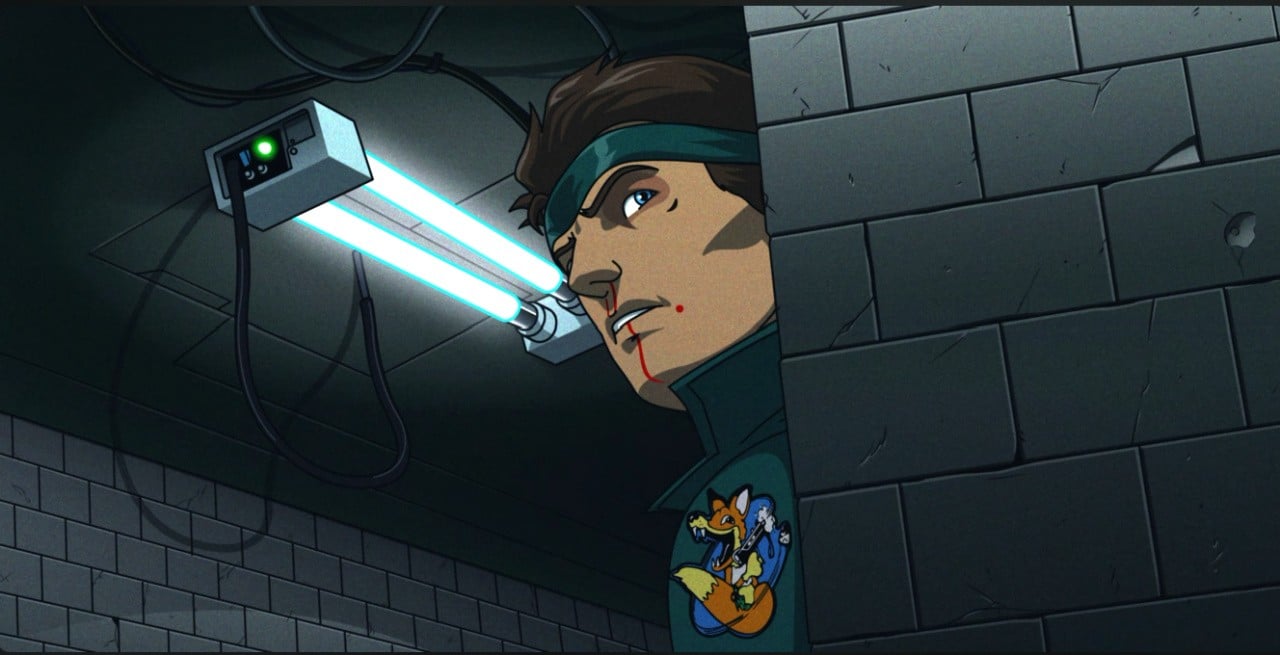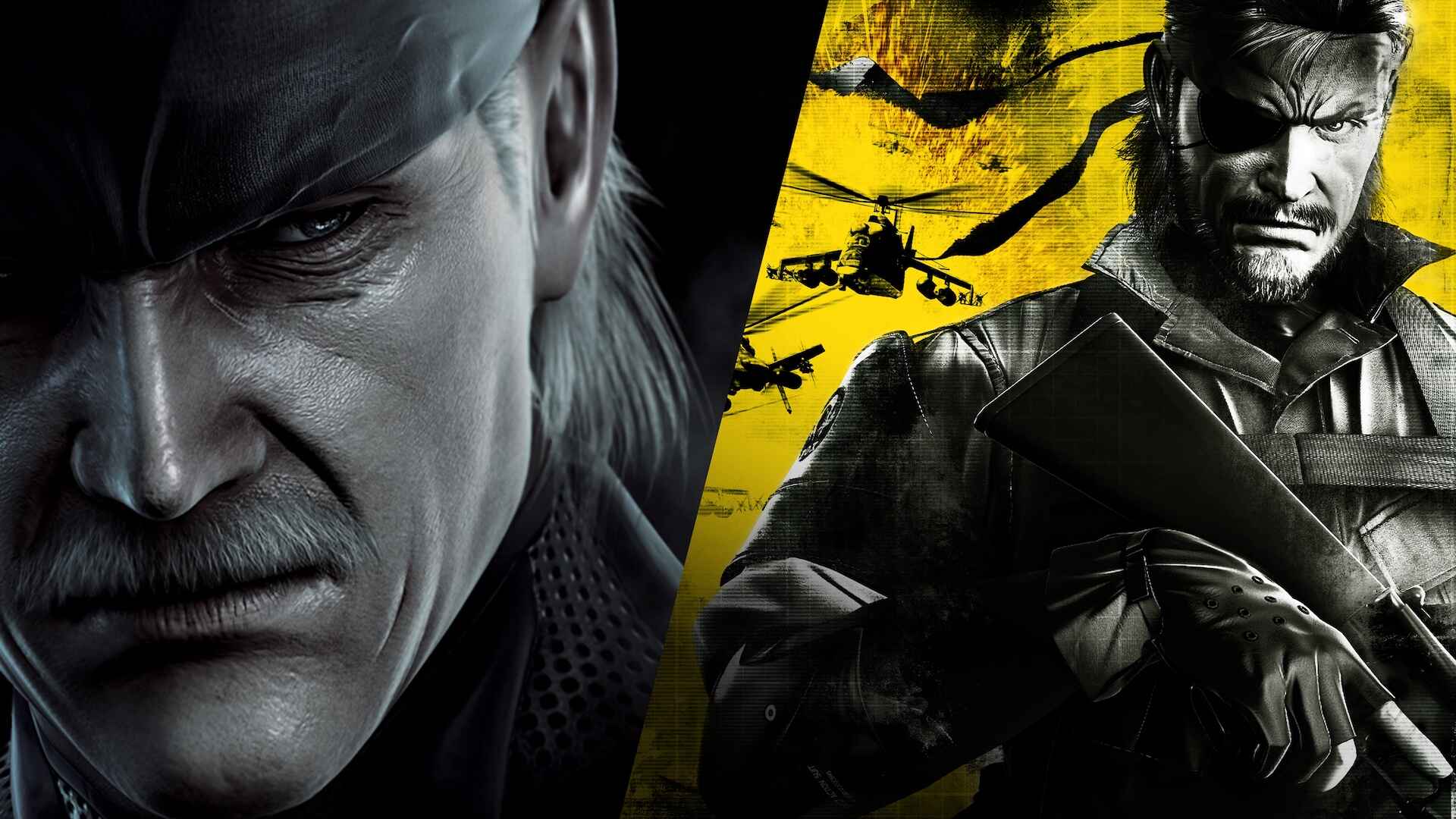
David Hayter, the actor best known to gamers for voicing Solid Snake, recently revisited the challenge of interpreting Hideo Kojima’s famously dense Metal Gear Solid scripts in an interview published by Fall Damage and reported by GamesRadar.
Hayter’s comments underscore a long-standing reputation: Metal Gear Solid’s narrative is layered, often cryptic, and richly detailed — qualities that helped the series stand out after its 1998 debut on the original PlayStation.
Metal Gear Solid (1998) launched the franchise into 3D stealth-action and introduced mainstream audiences to Kojima’s cinematic approach to game storytelling.
Developed and published by Konami, the series expanded across PlayStation platforms and beyond, addressing themes such as nuclear disarmament, artificial intelligence, and the ethics of warfare.
Hideo Kojima remained the creative force behind the franchise until his departure from Konami in 2015.
In recent years, Konami has brought classic entries to modern systems via the Metal Gear Solid Master Collection Vol. 1, released October 24, 2023, which made key titles accessible on platforms including Nintendo Switch.
In the Fall Damage interview, Hayter explained he generally grasped the arc Kojima was aiming for but did not always understand every detail while recording.
He said that during sessions he would sometimes ask what a line meant and be told simply to deliver it, noting that he accepted not having the complete picture.
Hayter emphasized that the abundance of character development and narrative detail — material no single player can fully absorb in one playthrough — is precisely what makes the Metal Gear world feel "real, rich, and lovable."
Hayter’s perspective is a reminder of the collaborative and occasionally opaque nature of large-scale game productions, where actors may perform scenes without full narrative context.
Hayter voiced Snake across multiple Metal Gear Solid entries and is widely associated with the role; the series later recast the role for Metal Gear Solid V: The Phantom Pain (2015), which credited Kiefer Sutherland.
More than two decades after its PlayStation breakthrough, Metal Gear Solid remains influential for its narrative ambition and technical achievements.
With classics included in modern collections, new and returning players can experience Kojima’s layered storytelling — the same depth Hayter describes — across contemporary platforms such as Nintendo Switch and current PlayStation consoles.
Hayter’s comments underscore a long-standing reputation: Metal Gear Solid’s narrative is layered, often cryptic, and richly detailed — qualities that helped the series stand out after its 1998 debut on the original PlayStation.
Metal Gear Solid (1998) launched the franchise into 3D stealth-action and introduced mainstream audiences to Kojima’s cinematic approach to game storytelling.
Developed and published by Konami, the series expanded across PlayStation platforms and beyond, addressing themes such as nuclear disarmament, artificial intelligence, and the ethics of warfare.
Hideo Kojima remained the creative force behind the franchise until his departure from Konami in 2015.
In recent years, Konami has brought classic entries to modern systems via the Metal Gear Solid Master Collection Vol. 1, released October 24, 2023, which made key titles accessible on platforms including Nintendo Switch.
In the Fall Damage interview, Hayter explained he generally grasped the arc Kojima was aiming for but did not always understand every detail while recording.
He said that during sessions he would sometimes ask what a line meant and be told simply to deliver it, noting that he accepted not having the complete picture.
Hayter emphasized that the abundance of character development and narrative detail — material no single player can fully absorb in one playthrough — is precisely what makes the Metal Gear world feel "real, rich, and lovable."
Hayter’s perspective is a reminder of the collaborative and occasionally opaque nature of large-scale game productions, where actors may perform scenes without full narrative context.
Hayter voiced Snake across multiple Metal Gear Solid entries and is widely associated with the role; the series later recast the role for Metal Gear Solid V: The Phantom Pain (2015), which credited Kiefer Sutherland.
More than two decades after its PlayStation breakthrough, Metal Gear Solid remains influential for its narrative ambition and technical achievements.
With classics included in modern collections, new and returning players can experience Kojima’s layered storytelling — the same depth Hayter describes — across contemporary platforms such as Nintendo Switch and current PlayStation consoles.