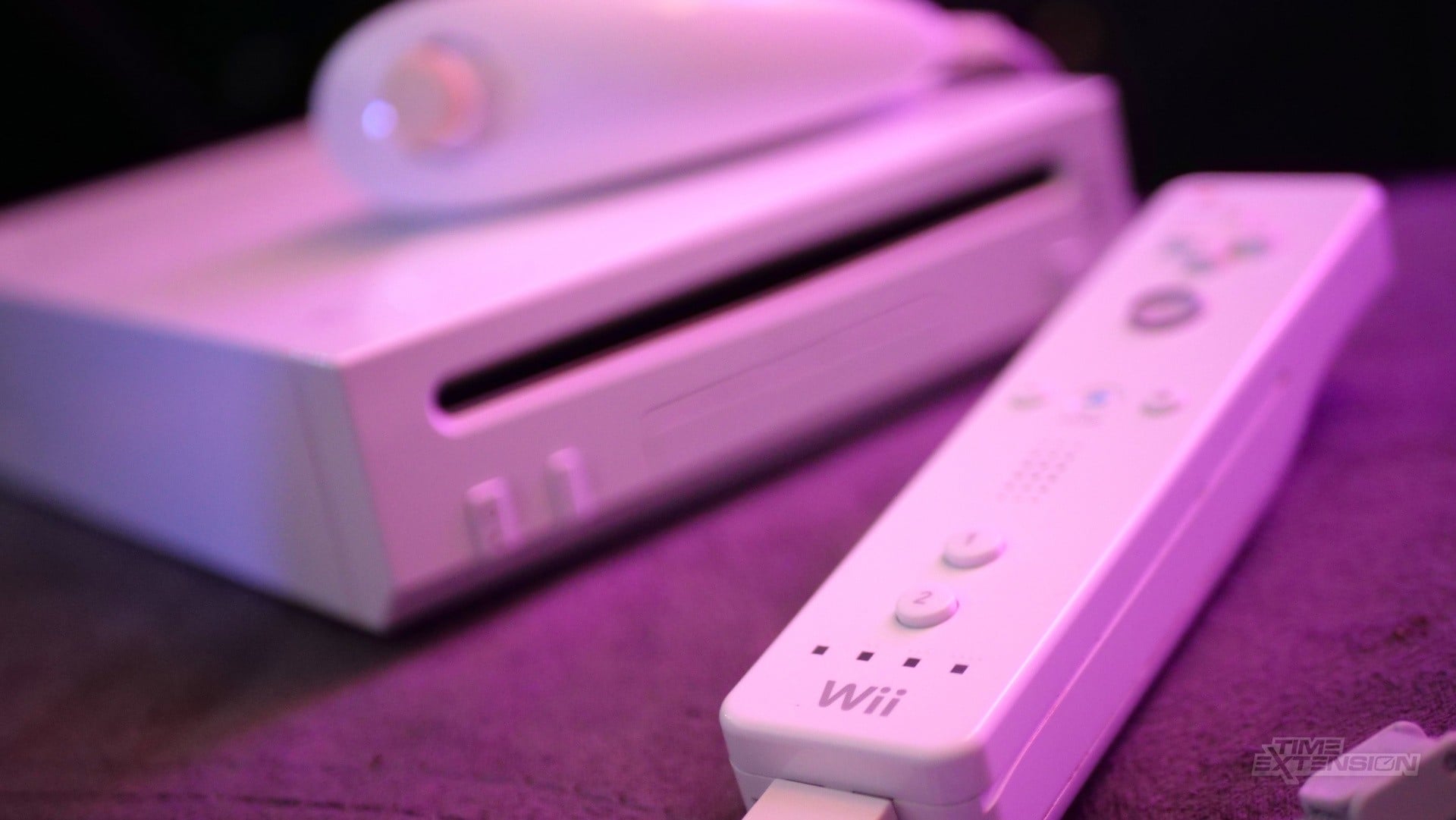

Retro-console owners increasingly turn to modern power solutions such as USB-C adapters to replace bulky original power bricks.
The Nintendo Wii, a home console released in 2006 that sold over 100 million units worldwide, originally shipped with a proprietary 12V AC adapter; third-party USB-C alternatives promise a slimmer, more convenient power option.
However, recent testing reported by Consoles4You has raised safety concerns about some of these adapters.
Consoles4You found that a number of third-party USB-C cables marketed for use with legacy consoles were not delivering the Wii's expected 12 volts.
In clear, journalistic terms: Consoles4You concluded the cables were improperly constructed — instead of supplying the Wii's required 12V, some units delivered 15V, a difference the site said makes continued use inadvisable.
Consoles4You also opened one of the cables to inspect its internal circuitry and reported an absence of adequate protective components in that sample.
Those findings intersect with how USB Power Delivery (USB-PD) works.
USB-PD, the negotiation protocol used by modern USB-C chargers, supports multiple fixed voltages including 5V, 9V, 15V and 20V.
Devices and chargers negotiate which voltage to use, so an adapter must either properly emulate the expected target device or include circuitry that forces a safe, stable output for legacy hardware.
Anecdotally, users have reported inconsistent results: some cables work as intended while others present higher-than-expected voltages.
Given those inconsistencies, retro owners should treat third-party USB-C power options cautiously.
Practical steps include checking an adapter’s output with a multimeter before connecting it to a console and buying from reputable vendors that publish detailed electrical specifications and safety certifications.
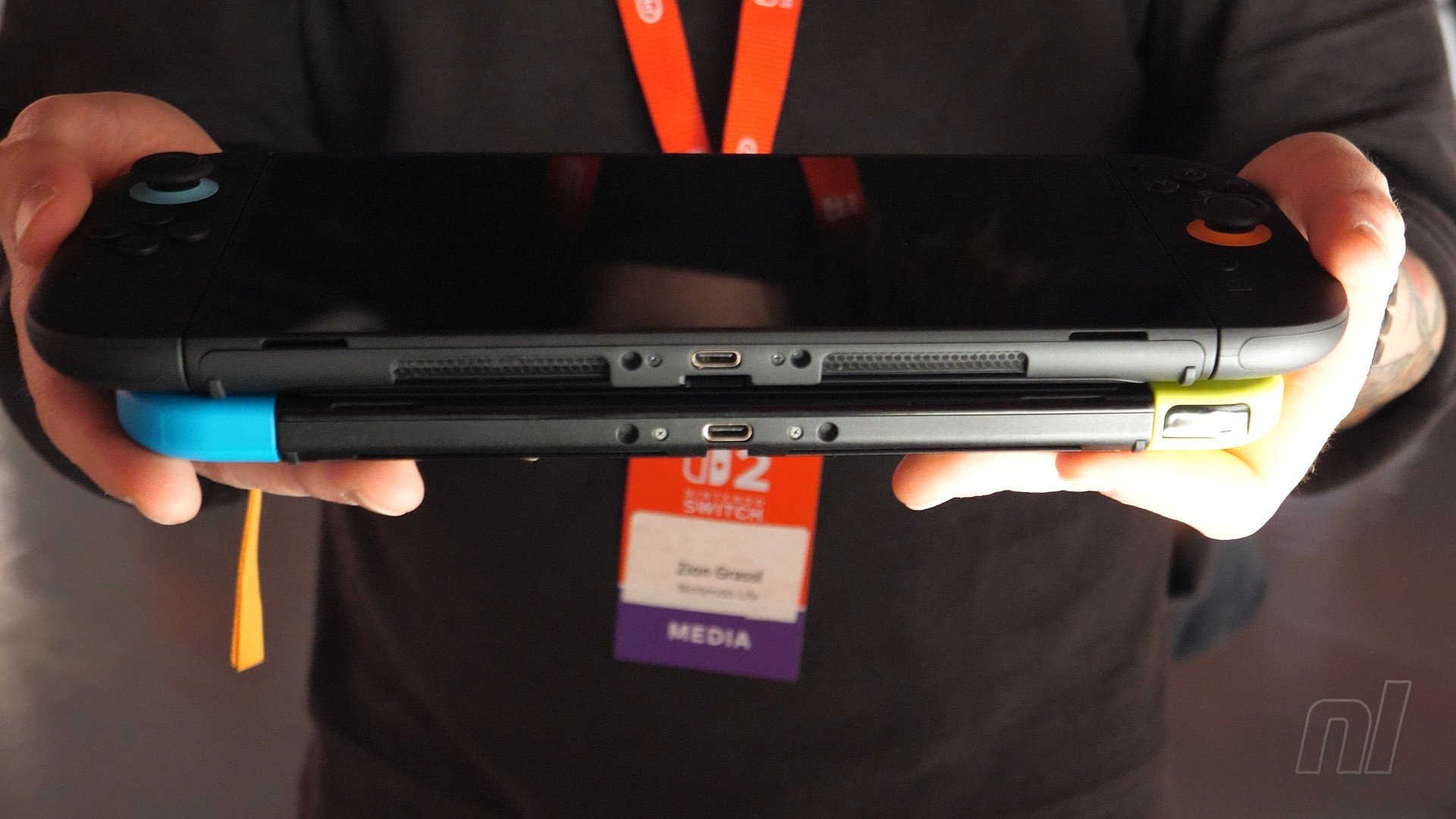
Nintendo’s modern hardware choices reflect USB-C’s mainstream status — the Nintendo Switch uses USB-C charging and benefits from USB-PD negotiation — but legacy consoles like the Wii were not designed around USB-C’s flexible voltage profiles.
For collectors and players who value both convenience and hardware longevity, vigilance matters: verify product specs, consult trusted teardown reports such as Consoles4You’s, and test adapters before prolonged use to reduce the risk of damage.
For more coverage on retro hardware mods, modern accessories, and official Nintendo platform updates, follow developer announcements and retailer listings on the eShop and official Nintendo channels.
The Nintendo Wii, a home console released in 2006 that sold over 100 million units worldwide, originally shipped with a proprietary 12V AC adapter; third-party USB-C alternatives promise a slimmer, more convenient power option.
However, recent testing reported by Consoles4You has raised safety concerns about some of these adapters.
Consoles4You found that a number of third-party USB-C cables marketed for use with legacy consoles were not delivering the Wii's expected 12 volts.
In clear, journalistic terms: Consoles4You concluded the cables were improperly constructed — instead of supplying the Wii's required 12V, some units delivered 15V, a difference the site said makes continued use inadvisable.
Consoles4You also opened one of the cables to inspect its internal circuitry and reported an absence of adequate protective components in that sample.
Those findings intersect with how USB Power Delivery (USB-PD) works.
USB-PD, the negotiation protocol used by modern USB-C chargers, supports multiple fixed voltages including 5V, 9V, 15V and 20V.
Devices and chargers negotiate which voltage to use, so an adapter must either properly emulate the expected target device or include circuitry that forces a safe, stable output for legacy hardware.
Anecdotally, users have reported inconsistent results: some cables work as intended while others present higher-than-expected voltages.
Given those inconsistencies, retro owners should treat third-party USB-C power options cautiously.
Practical steps include checking an adapter’s output with a multimeter before connecting it to a console and buying from reputable vendors that publish detailed electrical specifications and safety certifications.
Nintendo’s modern hardware choices reflect USB-C’s mainstream status — the Nintendo Switch uses USB-C charging and benefits from USB-PD negotiation — but legacy consoles like the Wii were not designed around USB-C’s flexible voltage profiles.
For collectors and players who value both convenience and hardware longevity, vigilance matters: verify product specs, consult trusted teardown reports such as Consoles4You’s, and test adapters before prolonged use to reduce the risk of damage.
For more coverage on retro hardware mods, modern accessories, and official Nintendo platform updates, follow developer announcements and retailer listings on the eShop and official Nintendo channels.