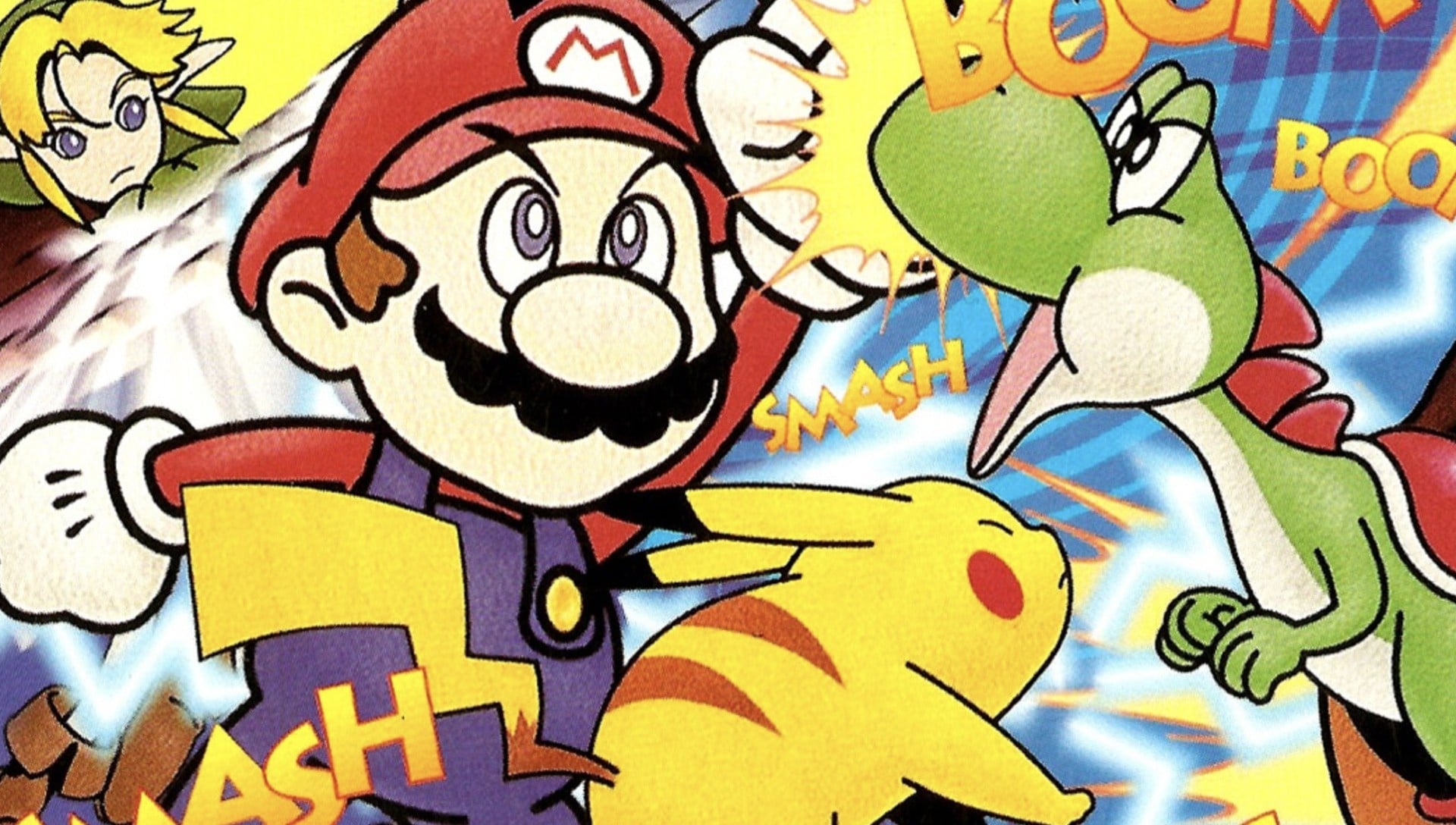
A purported native PC port of Super Smash Bros created by user TheWizWiki has reignited debate over the use of artificial intelligence in game preservation and fan-led ports.
The Smash series, created by Masahiro Sakurai and developed historically by HAL Laboratory and Sora Ltd., began on the Nintendo 64 in 1999 and has continued through major releases including Super Smash Bros.
Ultimate for Nintendo Switch (released December 7, 2018).
TheWizWiki released a project they described as a "100% AI-generated" native PC port.
According to the developer's public statements, the work took "a little over 25 days" and involved Opus (versions 4.6 and 4.7) and a model identified as "GPT 5.5," with AI agents dispatched to autonomously build and test while TheWizWiki managed the process.
Those are claims attributed directly to TheWizWiki.
The announcement prompted swift community reaction from indie developers and preservationists.
Indie developer MorsGames, known for the PC version of Moon Child, raised concerns about the approach, arguing that relying solely on automated tools for decompilation and porting undermines craftsmanship and oversight.
Preservationist RohanKarMooN said they were disappointed that decompilation projects increasingly rely on AI-generated code, and that they prefer preservation via verified emulation rather than shortcuts.
Other voices in the community emphasized technical shortcomings.
User UnderCoverToni criticized the port's quality, stating that the build lacked expected features, contained numerous bugs, and reproduced engine and physics behavior incorrectly—concluding that the AI-produced work still required substantial human correction.
Defenders of AI-assisted porting countered that automated tools can be valuable for rescuing software otherwise lost to time.
Julio Varnes (Craftyavg586) argued that AI can legitimately save games and software on unsupported hardware or operating systems, while community member Arrrash said porting is not necessarily a creative task and that AI assistance in that context can be acceptable.
Observers summed up the controversy by saying the project risked shortchanging both the original game and those trying to preserve it, noting that an AI-only workflow may produce results that still demand human verification.
The debate highlights a broader industry conversation about when and how AI tools should be used in development and preservation work—particularly for legacy Nintendo titles and other retro software.
As the discussion continues, the community is watching whether AI-assisted methods will be adopted with stricter accuracy checks or remain a contentious niche in fan-led preservation and porting efforts.
The Smash series, created by Masahiro Sakurai and developed historically by HAL Laboratory and Sora Ltd., began on the Nintendo 64 in 1999 and has continued through major releases including Super Smash Bros.
Ultimate for Nintendo Switch (released December 7, 2018).
TheWizWiki released a project they described as a "100% AI-generated" native PC port.
According to the developer's public statements, the work took "a little over 25 days" and involved Opus (versions 4.6 and 4.7) and a model identified as "GPT 5.5," with AI agents dispatched to autonomously build and test while TheWizWiki managed the process.
Those are claims attributed directly to TheWizWiki.
The announcement prompted swift community reaction from indie developers and preservationists.
Indie developer MorsGames, known for the PC version of Moon Child, raised concerns about the approach, arguing that relying solely on automated tools for decompilation and porting undermines craftsmanship and oversight.
Preservationist RohanKarMooN said they were disappointed that decompilation projects increasingly rely on AI-generated code, and that they prefer preservation via verified emulation rather than shortcuts.
Other voices in the community emphasized technical shortcomings.
User UnderCoverToni criticized the port's quality, stating that the build lacked expected features, contained numerous bugs, and reproduced engine and physics behavior incorrectly—concluding that the AI-produced work still required substantial human correction.
Defenders of AI-assisted porting countered that automated tools can be valuable for rescuing software otherwise lost to time.
Julio Varnes (Craftyavg586) argued that AI can legitimately save games and software on unsupported hardware or operating systems, while community member Arrrash said porting is not necessarily a creative task and that AI assistance in that context can be acceptable.
Observers summed up the controversy by saying the project risked shortchanging both the original game and those trying to preserve it, noting that an AI-only workflow may produce results that still demand human verification.
The debate highlights a broader industry conversation about when and how AI tools should be used in development and preservation work—particularly for legacy Nintendo titles and other retro software.
As the discussion continues, the community is watching whether AI-assisted methods will be adopted with stricter accuracy checks or remain a contentious niche in fan-led preservation and porting efforts.