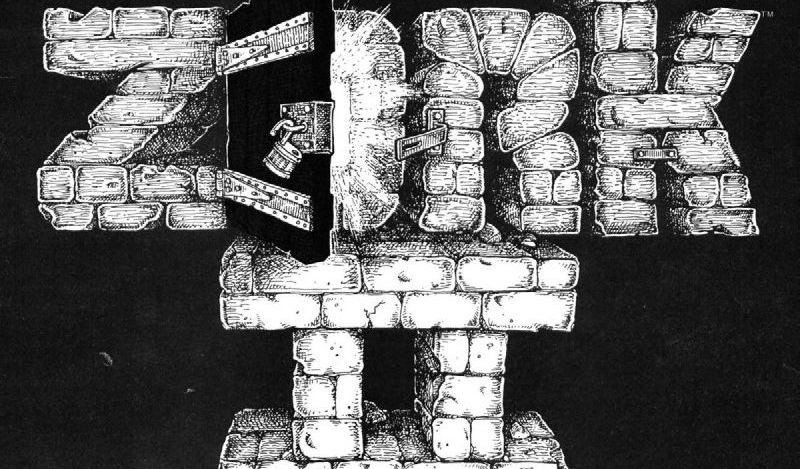
The Zork Trilogy, a cornerstone of interactive fiction developed by Infocom, has now been released as open-source software under the permissive MIT license.
This move is the result of collaboration between Microsoft’s Open Source Programs Office (OSPO), Xbox, and Activision, and marks a milestone in preserving the legacy of classic adventure games for current and future generations.
Originally released between 1980 and 1982, Zork I, II, and III set the standard for text-based adventure games on early home computers such as the TRS-80 CoCo and the Apple II.
The Zork series traces its roots back to a groundbreaking game developed at the Massachusetts Institute of Technology (MIT) from 1977 to 1979 specifically for the PDP-10 mainframe computer.
The groundbreaking team behind the original Zork included Tim Anderson, Marc Blank, Bruce Daniels, and Dave Lebling; three of these visionaries would later form Infocom and shape the adventure game genre throughout the 1980s.
The commercial Zork trilogy, adapted by Dave Lebling and Marc Blank, was programmed using the Zork Implementation Language (ZIL) — a language designed for maximum portability across home computers through the use of a Z-Code interpreter.
This design ingenuity allowed Infocom’s games to reach a wide audience long before the era of cross-platform engines.
Though the Zork source code has been available for historical reference on the internet, the new MIT license introduces a range of opportunities.
It explicitly allows anyone to use, copy, modify, merge, publish, distribute, sublicense, or sell copies of the software, provided the appropriate copyright notice is maintained.
The repositories, made publicly available, include full source code and, where possible, additional documentation such as build notes and other historically relevant files.
According to Microsoft OSPO director Stacey Haffner and Microsoft vice president of developer community Scott Hanselman, this initiative aims foremost to equip educators, students, and developers.
As described in their official announcement, their goal is "to put historically significant code into the hands of students, teachers, and the developer community, allowing them to study, learn from, and, perhaps most crucially, play these games."
While the move opens the door for broad educational and personal use, it expressly does not include commercial packaging materials or transfer of trademark rights, which remain the property of their respective owners.
The open-sourcing of the Zork trilogy represents both a celebration of Infocom’s influence and a practical win for those interested in the foundations of interactive storytelling and game development.
With classic titles like Zork now freely accessible, a new generation can explore, learn from, and build upon one of the medium’s most historic achievements.
This move is the result of collaboration between Microsoft’s Open Source Programs Office (OSPO), Xbox, and Activision, and marks a milestone in preserving the legacy of classic adventure games for current and future generations.
Originally released between 1980 and 1982, Zork I, II, and III set the standard for text-based adventure games on early home computers such as the TRS-80 CoCo and the Apple II.
The Zork series traces its roots back to a groundbreaking game developed at the Massachusetts Institute of Technology (MIT) from 1977 to 1979 specifically for the PDP-10 mainframe computer.
The groundbreaking team behind the original Zork included Tim Anderson, Marc Blank, Bruce Daniels, and Dave Lebling; three of these visionaries would later form Infocom and shape the adventure game genre throughout the 1980s.
The commercial Zork trilogy, adapted by Dave Lebling and Marc Blank, was programmed using the Zork Implementation Language (ZIL) — a language designed for maximum portability across home computers through the use of a Z-Code interpreter.
This design ingenuity allowed Infocom’s games to reach a wide audience long before the era of cross-platform engines.
Though the Zork source code has been available for historical reference on the internet, the new MIT license introduces a range of opportunities.
It explicitly allows anyone to use, copy, modify, merge, publish, distribute, sublicense, or sell copies of the software, provided the appropriate copyright notice is maintained.
The repositories, made publicly available, include full source code and, where possible, additional documentation such as build notes and other historically relevant files.
According to Microsoft OSPO director Stacey Haffner and Microsoft vice president of developer community Scott Hanselman, this initiative aims foremost to equip educators, students, and developers.
As described in their official announcement, their goal is "to put historically significant code into the hands of students, teachers, and the developer community, allowing them to study, learn from, and, perhaps most crucially, play these games."
While the move opens the door for broad educational and personal use, it expressly does not include commercial packaging materials or transfer of trademark rights, which remain the property of their respective owners.
The open-sourcing of the Zork trilogy represents both a celebration of Infocom’s influence and a practical win for those interested in the foundations of interactive storytelling and game development.
With classic titles like Zork now freely accessible, a new generation can explore, learn from, and build upon one of the medium’s most historic achievements.