

Intro
The Nintendo eShop is the digital storefront for Nintendo Switch, a platform released on March 3, 2017, and developers use Nintendo's official channels, including the Nintendo Developer Portal and the Switch Software Development Kit, to submit builds and updates.
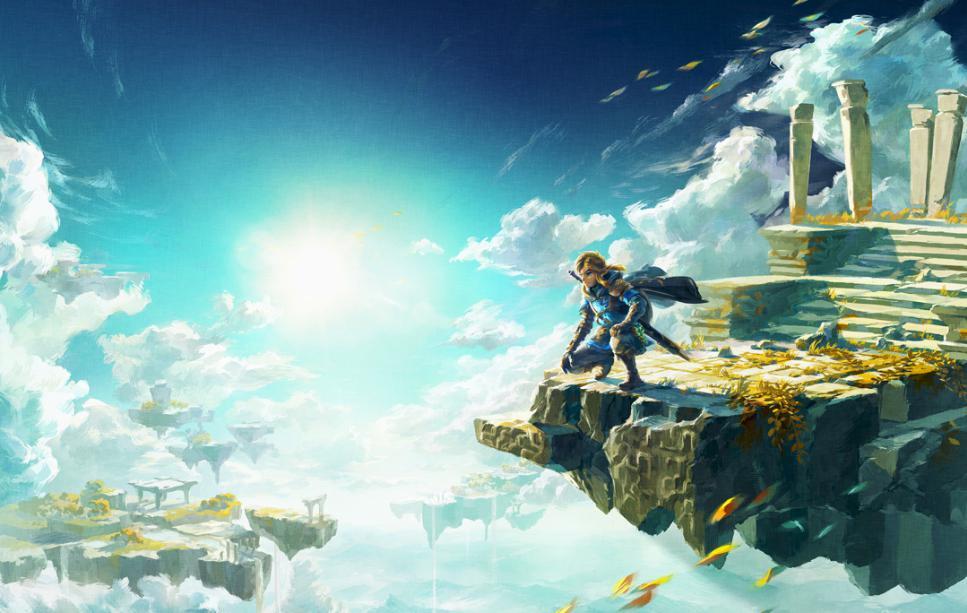
When a submission fails with a server-side error that references a malformed request, it can block patch rollouts and live operations for games on Switch — from indie titles to first-party franchise updates such as The Legend of Zelda: Tears of the Kingdom, developed by Nintendo EPD and released May 12, 2023.
What the server message means (rewritten)
A typical server response in these cases states that the incoming request was malformed or contained errors that prevented it from being understood.
In plain terms, the server is reporting that it could not process the submission because the request data did not meet expected format or validation rules; the response often notes that a misbehaving browser or an installed browser extension can be the source of the problem.
Verified troubleshooting checklist for developers
- Confirm platform and channels: Use the Nintendo Developer Portal for official submissions and ensure you are working with the Nintendo Switch SDK and build artifacts that meet Nintendo's technical requirements.
These are the official channels for uploading and metadata entry.
- Reproduce locally: Attempt the upload or API call from a different machine or network to rule out local environment issues.
- Browser hygiene: Clear the browser cache, disable extensions, or try a supported browser; server responses commonly cite browser misconfiguration or extensions as contributing factors.
- Validate payloads: Ensure manifests, metadata files, and binary packages conform to the formats and size limits required by Nintendo's submission tools.
- File integrity: Verify cryptographic signatures and checksums on build artifacts where applicable.
- Network and firewall: Confirm no corporate proxy or firewall is altering requests.
- Contact official support: If the issue persists, file a ticket with Nintendo Developer Support through the Nintendo Developer Portal and include logs, timestamps, and any server response text.
Context for publishers and studios
High-profile Switch releases undergo multiple submission stages and certification checks.
Publishers and studios commonly provision dedicated CI pipelines that mirror Nintendo's upload expectations to reduce human error.
When a server reports a malformed request, collecting precise request/response logs and following the checklist above reduces downtime and speeds resolution.
Conclusion
A malformed-request server response is typically a straightforward technical mismatch between client requests and server expectations.
Using the Nintendo Developer Portal, validating payloads, testing from clean browser environments, and escalating to Nintendo Developer Support with complete logs will help developers and publishers restore normal eShop submission workflows for Nintendo Switch.
The Nintendo eShop is the digital storefront for Nintendo Switch, a platform released on March 3, 2017, and developers use Nintendo's official channels, including the Nintendo Developer Portal and the Switch Software Development Kit, to submit builds and updates.
When a submission fails with a server-side error that references a malformed request, it can block patch rollouts and live operations for games on Switch — from indie titles to first-party franchise updates such as The Legend of Zelda: Tears of the Kingdom, developed by Nintendo EPD and released May 12, 2023.
What the server message means (rewritten)
A typical server response in these cases states that the incoming request was malformed or contained errors that prevented it from being understood.
In plain terms, the server is reporting that it could not process the submission because the request data did not meet expected format or validation rules; the response often notes that a misbehaving browser or an installed browser extension can be the source of the problem.
Verified troubleshooting checklist for developers
- Confirm platform and channels: Use the Nintendo Developer Portal for official submissions and ensure you are working with the Nintendo Switch SDK and build artifacts that meet Nintendo's technical requirements.
These are the official channels for uploading and metadata entry.
- Reproduce locally: Attempt the upload or API call from a different machine or network to rule out local environment issues.
- Browser hygiene: Clear the browser cache, disable extensions, or try a supported browser; server responses commonly cite browser misconfiguration or extensions as contributing factors.
- Validate payloads: Ensure manifests, metadata files, and binary packages conform to the formats and size limits required by Nintendo's submission tools.
- File integrity: Verify cryptographic signatures and checksums on build artifacts where applicable.
- Network and firewall: Confirm no corporate proxy or firewall is altering requests.
- Contact official support: If the issue persists, file a ticket with Nintendo Developer Support through the Nintendo Developer Portal and include logs, timestamps, and any server response text.
Context for publishers and studios
High-profile Switch releases undergo multiple submission stages and certification checks.
Publishers and studios commonly provision dedicated CI pipelines that mirror Nintendo's upload expectations to reduce human error.
When a server reports a malformed request, collecting precise request/response logs and following the checklist above reduces downtime and speeds resolution.
Conclusion
A malformed-request server response is typically a straightforward technical mismatch between client requests and server expectations.
Using the Nintendo Developer Portal, validating payloads, testing from clean browser environments, and escalating to Nintendo Developer Support with complete logs will help developers and publishers restore normal eShop submission workflows for Nintendo Switch.