
Introduction
The Nintendo eShop is the Nintendo Switch’s digital storefront for first-party and third-party releases, frequently showcased during Nintendo Direct broadcasts.
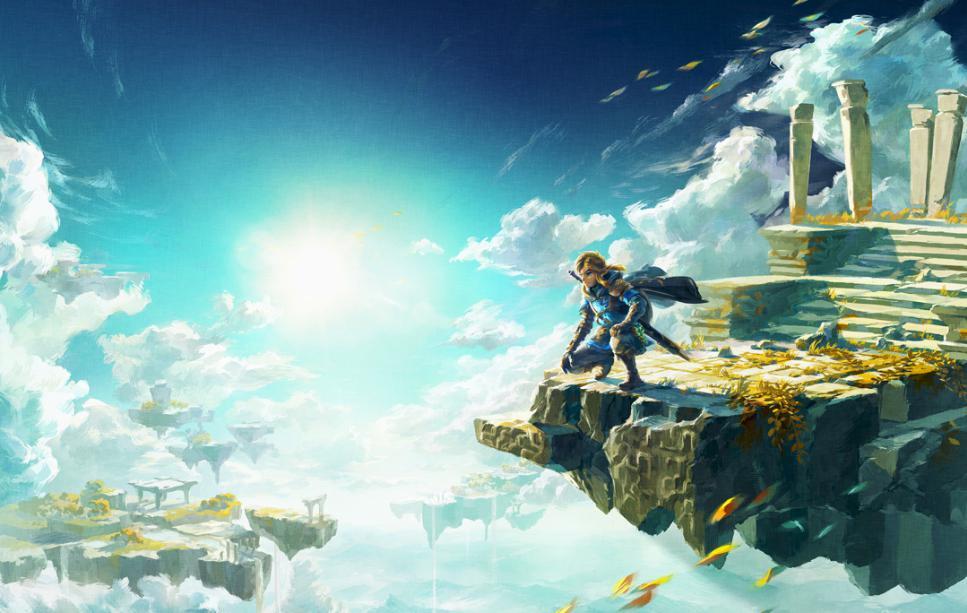
Since the Nintendo Switch launched on March 3, 2017, the eShop has been the primary distribution channel for downloadable titles such as The Legend of Zelda: Tears of the Kingdom (released May 12, 2023), along with numerous indie and premium releases.
Occasionally, users encounter server-side or client-side errors when accessing storefront pages or completing purchases.
Understanding those messages helps both players and developers respond quickly and accurately.
What the error means (rewritten)
A common message reads: “Your request could not be processed.
This server received your request, but it was malformed or contained errors that prevented it from being understood.
This may be caused by a misbehaving browser, or a browser addon/extension.” Rewritten in journalistic terms: The server refused to process the request because it was structurally invalid or contained input errors, preventing the server from interpreting it; such problems are often caused by a faulty web client, browser extensions, or malformed network requests.
Why this matters for players and developers
For players attempting to buy or download games on the eShop, a malformed request error typically indicates a client-side issue rather than an outage.
For developers and storefront integrators, malformed requests can reveal faulty API calls, incorrect request headers, or improper payload formatting when interacting with Nintendo’s backend systems.
Proper logging and testing on both the client and server sides reduce recurrence.
Practical troubleshooting steps
- Refresh the page and try again from the Nintendo Switch console (rather than a PC browser) to rule out browser extensions.
- Clear browser cache or disable add-ons if accessing the eShop via a web browser.
- Ensure system software and the Nintendo eShop application are up to date on your Switch.
- Retry the request on a different network to rule out router or ISP issues.
- If the problem persists, consult Nintendo Support or the official Nintendo status pages for known incidents.
Context for the industry
Digital storefront reliability is critical for launch-day traffic spikes—titles announced on Nintendo Direct often drive sudden surges in eShop activity.
Developers should instrument error reporting for malformed requests and validate payloads against production APIs.
For players, the most common resolution paths are client-side fixes or retrying during low-traffic windows.
Conclusion
Malformed-request errors on the Nintendo eShop are typically resolvable by addressing client-side causes—browser add-ons, cached data, or network issues—or by following official Nintendo support guidance.
Developers publishing to the eShop should emphasize robust request validation and clear user-facing error messages to minimize friction for players.
The Nintendo eShop is the Nintendo Switch’s digital storefront for first-party and third-party releases, frequently showcased during Nintendo Direct broadcasts.
Since the Nintendo Switch launched on March 3, 2017, the eShop has been the primary distribution channel for downloadable titles such as The Legend of Zelda: Tears of the Kingdom (released May 12, 2023), along with numerous indie and premium releases.
Occasionally, users encounter server-side or client-side errors when accessing storefront pages or completing purchases.
Understanding those messages helps both players and developers respond quickly and accurately.
What the error means (rewritten)
A common message reads: “Your request could not be processed.
This server received your request, but it was malformed or contained errors that prevented it from being understood.
This may be caused by a misbehaving browser, or a browser addon/extension.” Rewritten in journalistic terms: The server refused to process the request because it was structurally invalid or contained input errors, preventing the server from interpreting it; such problems are often caused by a faulty web client, browser extensions, or malformed network requests.
Why this matters for players and developers
For players attempting to buy or download games on the eShop, a malformed request error typically indicates a client-side issue rather than an outage.
For developers and storefront integrators, malformed requests can reveal faulty API calls, incorrect request headers, or improper payload formatting when interacting with Nintendo’s backend systems.
Proper logging and testing on both the client and server sides reduce recurrence.
Practical troubleshooting steps
- Refresh the page and try again from the Nintendo Switch console (rather than a PC browser) to rule out browser extensions.
- Clear browser cache or disable add-ons if accessing the eShop via a web browser.
- Ensure system software and the Nintendo eShop application are up to date on your Switch.
- Retry the request on a different network to rule out router or ISP issues.
- If the problem persists, consult Nintendo Support or the official Nintendo status pages for known incidents.
Context for the industry
Digital storefront reliability is critical for launch-day traffic spikes—titles announced on Nintendo Direct often drive sudden surges in eShop activity.
Developers should instrument error reporting for malformed requests and validate payloads against production APIs.
For players, the most common resolution paths are client-side fixes or retrying during low-traffic windows.
Conclusion
Malformed-request errors on the Nintendo eShop are typically resolvable by addressing client-side causes—browser add-ons, cached data, or network issues—or by following official Nintendo support guidance.
Developers publishing to the eShop should emphasize robust request validation and clear user-facing error messages to minimize friction for players.