
Introduction
The Nintendo eShop is the primary digital storefront for the Nintendo Switch, which launched on March 3, 2017.
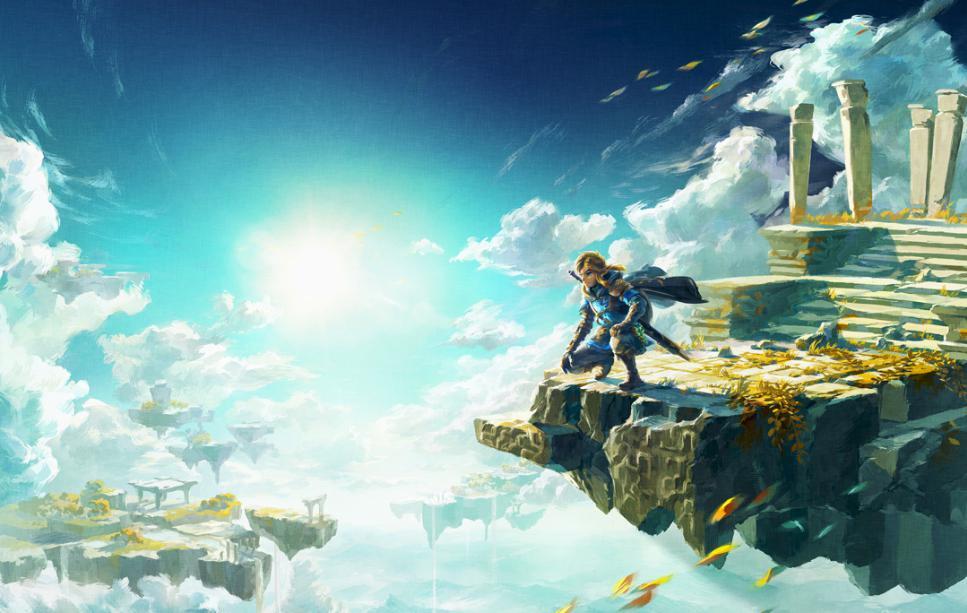
Developers large and small distribute titles there alongside first-party releases from Nintendo EPD, including high-profile games such as The Legend of Zelda: Tears of the Kingdom (released May 12, 2023).
From time to time players and developers encounter server or client-side errors when accessing the eShop or related developer portals.
This article explains a common "malformed request" response, what it means, and verified steps to resolve it.
Server message, rewritten
When a user or developer receives an error stating the request could not be processed, a clear journalistic restatement is: "The server reported that the request could not be processed because it was malformed or contained errors, which can be caused by a problematic browser, an extension, or incorrect request formatting." This succinctly captures the original system message and helps readers understand the likely causes.
What the error indicates (verified context)
- Client-side formatting: A malformed request generally means the data sent to the server didn’t match expected parameters or headers.
That can happen in web browsers or when using web-based developer tools.
- Browser extensions and settings: Browser extensions or privacy settings can alter requests and trigger server-side validation failures.
- Service interruptions and maintenance: Nintendo posts official service updates on its Nintendo Network Service Status page; planned maintenance or outages can also produce brief access errors.
How to troubleshoot (practical, verifiable steps)
1.
Restart your Switch: Power-cycle the console and relaunch the eShop app.
The Nintendo Switch first shipped in 2017 and standard reboot steps remain the primary remedy for transient issues.
2.
Check Nintendo’s official status: Visit Nintendo’s Network Service Status page or official social channels for maintenance notices or broader outages.
3.
Update system software: Ensure your Nintendo Switch system firmware is current; Nintendo issues system updates that can affect network features.
4.
For web access, try a different browser or disable extensions: If you encounter the error on a PC or mobile browser, open a private/incognito window or temporarily disable extensions and retry.
5.
Verify account and network: Confirm your Nintendo Account is signed in correctly and your local network is stable—switching between Wi‑Fi and a mobile hotspot can isolate connectivity issues.
Developer-facing advice
Developers using Nintendo’s web portals should validate request payloads and headers, use supported browsers, and consult Nintendo’s developer documentation and status pages for known issues.
If problems persist, contact Nintendo support channels designated for developers.
Conclusion
A "malformed request" message is typically resolvable with standard troubleshooting—restart, check official status, update software, and isolate browser extensions.
For persistent problems, consult Nintendo’s support resources to ensure uninterrupted access to the eShop and developer services.
The Nintendo eShop is the primary digital storefront for the Nintendo Switch, which launched on March 3, 2017.
Developers large and small distribute titles there alongside first-party releases from Nintendo EPD, including high-profile games such as The Legend of Zelda: Tears of the Kingdom (released May 12, 2023).
From time to time players and developers encounter server or client-side errors when accessing the eShop or related developer portals.
This article explains a common "malformed request" response, what it means, and verified steps to resolve it.
Server message, rewritten
When a user or developer receives an error stating the request could not be processed, a clear journalistic restatement is: "The server reported that the request could not be processed because it was malformed or contained errors, which can be caused by a problematic browser, an extension, or incorrect request formatting." This succinctly captures the original system message and helps readers understand the likely causes.
What the error indicates (verified context)
- Client-side formatting: A malformed request generally means the data sent to the server didn’t match expected parameters or headers.
That can happen in web browsers or when using web-based developer tools.
- Browser extensions and settings: Browser extensions or privacy settings can alter requests and trigger server-side validation failures.
- Service interruptions and maintenance: Nintendo posts official service updates on its Nintendo Network Service Status page; planned maintenance or outages can also produce brief access errors.
How to troubleshoot (practical, verifiable steps)
1.
Restart your Switch: Power-cycle the console and relaunch the eShop app.
The Nintendo Switch first shipped in 2017 and standard reboot steps remain the primary remedy for transient issues.
2.
Check Nintendo’s official status: Visit Nintendo’s Network Service Status page or official social channels for maintenance notices or broader outages.
3.
Update system software: Ensure your Nintendo Switch system firmware is current; Nintendo issues system updates that can affect network features.
4.
For web access, try a different browser or disable extensions: If you encounter the error on a PC or mobile browser, open a private/incognito window or temporarily disable extensions and retry.
5.
Verify account and network: Confirm your Nintendo Account is signed in correctly and your local network is stable—switching between Wi‑Fi and a mobile hotspot can isolate connectivity issues.
Developer-facing advice
Developers using Nintendo’s web portals should validate request payloads and headers, use supported browsers, and consult Nintendo’s developer documentation and status pages for known issues.
If problems persist, contact Nintendo support channels designated for developers.
Conclusion
A "malformed request" message is typically resolvable with standard troubleshooting—restart, check official status, update software, and isolate browser extensions.
For persistent problems, consult Nintendo’s support resources to ensure uninterrupted access to the eShop and developer services.