
MiSTer 3DO Core Faces Accuracy Challenges, Says Developer Dvodnenko
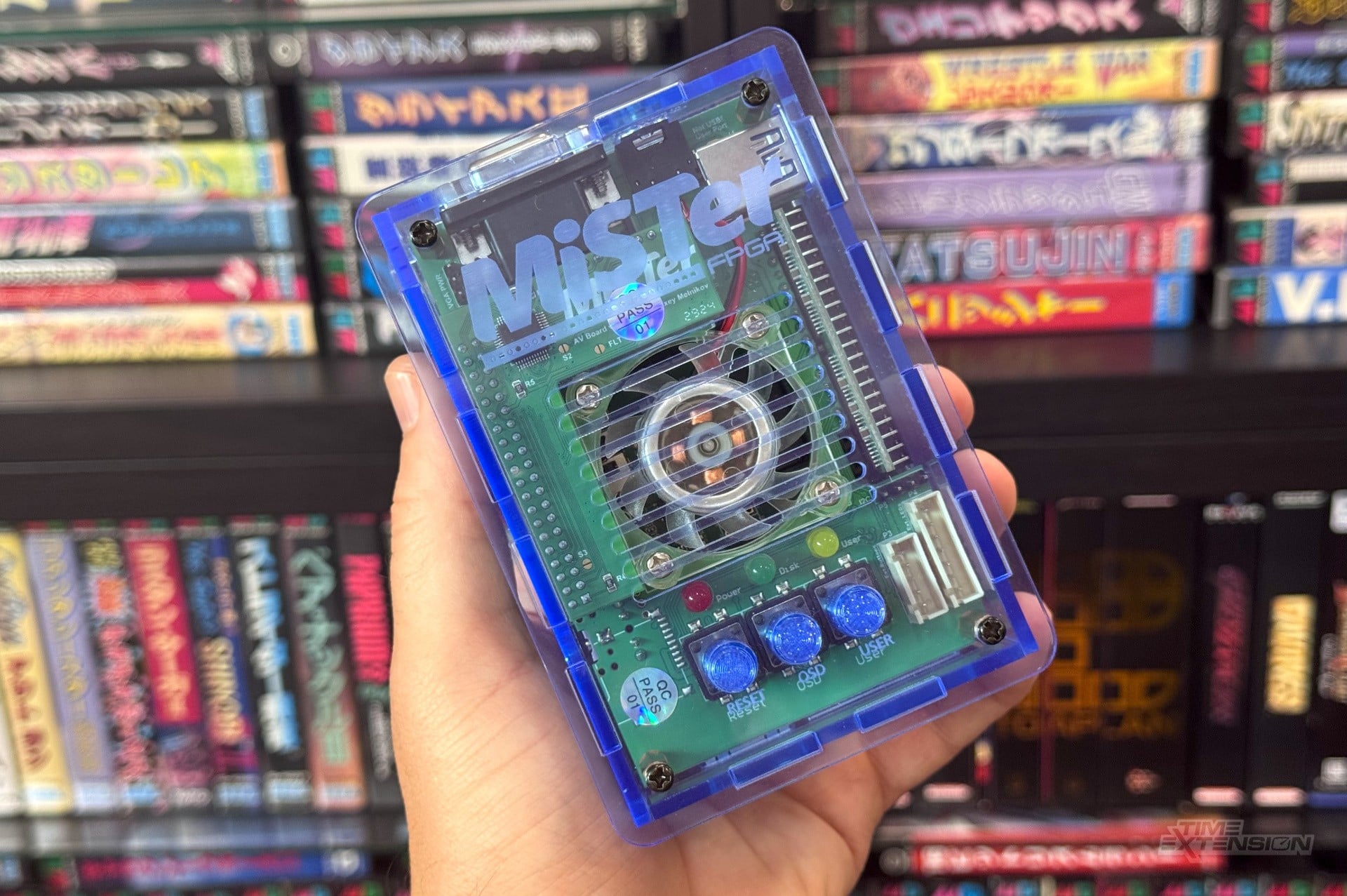
As the landscape of hardware emulation advances, veteran developer Sergiy "srg320" Dvodnenko—best known for his widely lauded Sega Saturn core for the MiSTer FPGA platform—has opened up about the challenges surrounding his latest project: an in-development 3DO core.
In a recent interview with Read Only Memo, Dvodnenko shed light on the technical obstacles preventing complete accuracy for 3DO emulation on the MiSTer, a significant platform in the retro gaming scene.
The MiSTer project utilizes FPGA (Field-Programmable Gate Array) technology to allow close-to-original hardware reproduction for classic consoles like the Sega Saturn, Super Nintendo, and more.
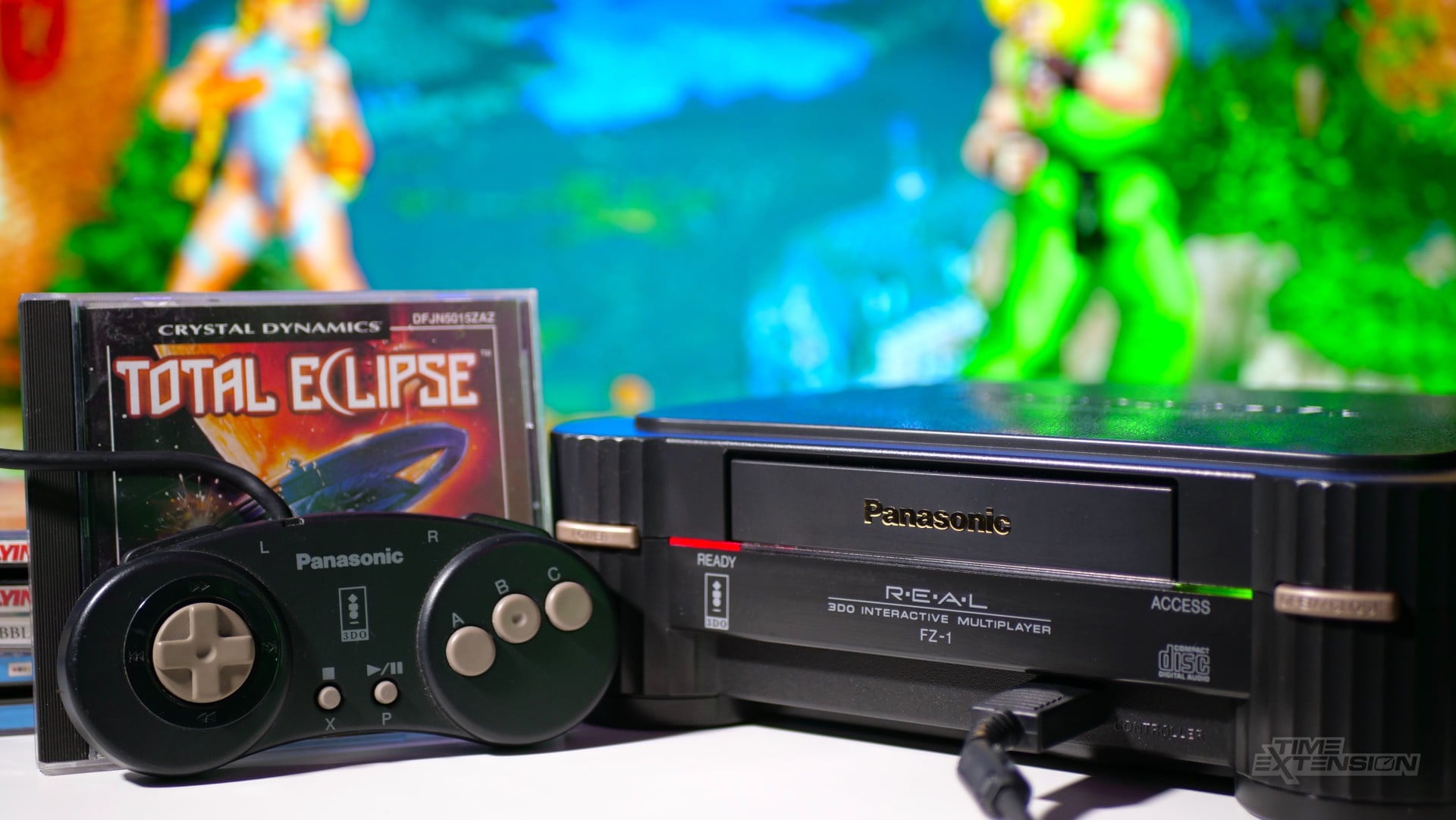
However, the 3DO Interactive Multiplayer, a 90s-era multimedia console, presents unique hurdles.
Dvodnenko emphasized that while the 3DO core itself is "not complex and does not consume a lot of FPGA resources," the primary challenge centers around VRAM emulation.
He stated that precise VRAM simulation is hampered by the limited internal memory of the existing MiSTer FPGA, an issue that has deterred other developers from tackling the 3DO core.
"Accurate VRAM emulation needs a certain amount of internal FPGA memory, which just isn't there, so, regrettably, true accuracy for this core can't be reached on the MiSTer," Dvodnenko explained.
Diving further into the technicalities, Dvodnenko discussed the formidable complexity of the 3DO’s sprite engine, which drives most of the platform's 2D and 3D graphics.
While documentation provides partial details, extensive trial and error were necessary.
"The sprite engine is closely linked to DMA operations," Dvodnenko elaborated.
To unlock its secrets, he crafted a homemade logic analyzer for the original 3DO hardware, running test programs and collecting detailed data from the internal buses.
This approach allowed him to replicate critical aspects of DMA functionality for the MiSTer core.
Yet, some intricate details remain elusive; for instance, the capacity and structure of the Sprite Engine’s FIFOs lack comprehensive public documentation.
Dvodnenko acknowledged, using clear language, that absolute accuracy is out of reach for now.
"Complete faithfulness isn’t possible," he summarized, adding that fully reverse-engineered documentation for the 3DO’s custom MADAM and CLIO chips might eventually help close these gaps.
As the MiSTer platform continues to push the boundaries of what's possible with FPGA-based gaming, limitations of hardware built several years ago are becoming ever more apparent.
While Dvodnenko and other developers strive for incremental improvements, full 3DO accuracy may require an eventual hardware upgrade.
Notably, even his highly regarded Sega Saturn core isn’t perfectly accurate—yet it provides a hugely satisfying gameplay experience for MiSTer enthusiasts.
In the end, the pursuit of total accuracy may be less critical than once thought.
For many in the retro gaming community, the enjoyment of classic games on modern platforms like MiSTer is not diminished by minor technical discrepancies.
The priority remains a playable, faithful experience, even if perfect simulation is just out of reach.
As Dvodnenko’s progress with the 3DO core shows, the future of FPGA emulation continues to blend technical innovation with the enduring passion of the developer community.
As the landscape of hardware emulation advances, veteran developer Sergiy "srg320" Dvodnenko—best known for his widely lauded Sega Saturn core for the MiSTer FPGA platform—has opened up about the challenges surrounding his latest project: an in-development 3DO core.
In a recent interview with Read Only Memo, Dvodnenko shed light on the technical obstacles preventing complete accuracy for 3DO emulation on the MiSTer, a significant platform in the retro gaming scene.
The MiSTer project utilizes FPGA (Field-Programmable Gate Array) technology to allow close-to-original hardware reproduction for classic consoles like the Sega Saturn, Super Nintendo, and more.
However, the 3DO Interactive Multiplayer, a 90s-era multimedia console, presents unique hurdles.
Dvodnenko emphasized that while the 3DO core itself is "not complex and does not consume a lot of FPGA resources," the primary challenge centers around VRAM emulation.
He stated that precise VRAM simulation is hampered by the limited internal memory of the existing MiSTer FPGA, an issue that has deterred other developers from tackling the 3DO core.
"Accurate VRAM emulation needs a certain amount of internal FPGA memory, which just isn't there, so, regrettably, true accuracy for this core can't be reached on the MiSTer," Dvodnenko explained.
Diving further into the technicalities, Dvodnenko discussed the formidable complexity of the 3DO’s sprite engine, which drives most of the platform's 2D and 3D graphics.
While documentation provides partial details, extensive trial and error were necessary.
"The sprite engine is closely linked to DMA operations," Dvodnenko elaborated.
To unlock its secrets, he crafted a homemade logic analyzer for the original 3DO hardware, running test programs and collecting detailed data from the internal buses.
This approach allowed him to replicate critical aspects of DMA functionality for the MiSTer core.
Yet, some intricate details remain elusive; for instance, the capacity and structure of the Sprite Engine’s FIFOs lack comprehensive public documentation.
Dvodnenko acknowledged, using clear language, that absolute accuracy is out of reach for now.
"Complete faithfulness isn’t possible," he summarized, adding that fully reverse-engineered documentation for the 3DO’s custom MADAM and CLIO chips might eventually help close these gaps.
As the MiSTer platform continues to push the boundaries of what's possible with FPGA-based gaming, limitations of hardware built several years ago are becoming ever more apparent.
While Dvodnenko and other developers strive for incremental improvements, full 3DO accuracy may require an eventual hardware upgrade.
Notably, even his highly regarded Sega Saturn core isn’t perfectly accurate—yet it provides a hugely satisfying gameplay experience for MiSTer enthusiasts.
In the end, the pursuit of total accuracy may be less critical than once thought.
For many in the retro gaming community, the enjoyment of classic games on modern platforms like MiSTer is not diminished by minor technical discrepancies.
The priority remains a playable, faithful experience, even if perfect simulation is just out of reach.
As Dvodnenko’s progress with the 3DO core shows, the future of FPGA emulation continues to blend technical innovation with the enduring passion of the developer community.